Blog
Noises That Mean Something
North Richland Hills homes built from 1953 to 1992 carry specific door and spring wear patterns. Here's what that grinding or popping sound is actually telling you.
The Cost of This Job
What a repair runs here depends on what's behind the wall, and that depends heavily on when the house went up. North Richland Hills housing spans 1953 through 2014, with the median build year sitting around 1992, and most of the stock across the area's named neighborhoods dates to the 1980s and 90s. A door on a house from that window usually has a steel torsion setup that parts houses still stock, which keeps a spring swap or roller replacement straightforward. A door on one of the older 1950s-60s homes can mean a different track width or an extension-spring setup instead of torsion, and sourcing hardware for that takes longer and costs more. We don't have a flat rate to quote you here - the honest answer is that the job tells us the price once we see the opener, the spring size, and the track condition in person. If your opener or spring is original to a house built before 1970, budget for the visit to turn into a full swap rather than a patch.
The Problem
The sound a garage door makes is diagnostic, not background noise. A rhythmic thump as the door travels usually means a roller has flattened on one side - common on doors that have logged 20-plus years in a house from that median 1992 build era. A sharp bang followed by the door refusing to open is almost always a torsion spring letting go, and on the 1980s-90s stock that dominates this area, that spring has typically been cycling for two to three decades without ever being touched. A grinding sound low on the track points to a bent rail, often from a car bumper tap rather than age. None of these are things to force through with the opener - running a door past a snapped spring or a bent track turns a $cheap-part job into a full section replacement. If you're hearing a new sound you haven't heard before, that's the door telling you something changed, not the door being old.
What the Weather Here Does to It
This area sits in a moderate heat climate band, which is kinder to garage doors than a lot of Texas towns but still puts real stress on steel and lubricant over a long season. Heat doesn't snap springs the way cold does further north - it works more slowly, drying out factory grease on rollers and hinges and letting metal expand just enough to change how a torsion spring sits in its cycle. On a house from the 1980s-90s stock that makes up most of this area, that slow drying is usually why a door starts sounding rough well before it fails outright. Vinyl and rubber weatherstripping also give out faster under sustained heat exposure than people expect, which shows up as a draft or light line along the bottom of the door before it shows up as a mechanical problem. We don't treat every noisy door as a heat casualty - plenty of the grinding and banging we hear is just wear that would happen in any climate. But if a door has gone quiet-to-loud over a single summer with no other change, heat-dried lubricant is the first thing worth checking before you replace anything.
What Changes With the Season
The moderate heat band here means the seasonal swing isn't as violent as places further north, but it's still enough to move metal. As temperatures climb, steel panels and tracks expand slightly, which can tighten up clearance that was fine in a cooler month and start a door rubbing against its weatherstrip or catching on a track bolt. As they cool back down, that same metal contracts, and a spring that was already fatigued from decades of cycling - common on the 1980s-90s stock that makes up most of this area's housing - is more likely to let go during that contraction than during peak heat. Lubricant behaves differently too: grease that's thinned out over a hot stretch doesn't firm back up right away, so the first cool stretch of the year is often when owners first notice a door running rough. None of this means you need seasonal service on a calendar - a door in good repair doesn't care what month it is. It just means the noise you start hearing as the weather turns is usually the same wear that's been building all along, finally showing itself.
Questions
Common questions
Why did my garage door suddenly get loud after years of running fine?
Usually it's lubricant on rollers and hinges drying out after repeated heat exposure, which is common given this area's moderate heat climate band. The parts underneath are often fine - they just need fresh grease and an inspection to rule out a roller or hinge that's actually worn rather than just dry.
Is my door's hardware going to be hard to find parts for?
Depends on the house. Most homes in this area were built in the 1980s and 90s, median around 1992, and torsion hardware from that era is still widely stocked. Houses from the 1950s-60s end of the area's range sometimes have older extension-spring setups that take longer to source parts for.
Can I keep opening and closing the door after I hear a bang?
No. A loud bang is almost always a torsion spring breaking, and a door with a broken spring is carrying its full weight on the opener and track instead of the spring. Running it in that state risks the opener motor, the track, and anyone standing nearby. Stop and call it in.
Do I need yearly maintenance on a garage door here?
We don't have a universal answer that fits every door - a well-installed door in this climate band can run years without attention. What matters more than a calendar is catching the early signs: a new sound, a roller that's visibly flat, or weatherstripping that's cracked rather than pliable.
Recommendation
You Might Also Like
More garage door guides for North Richland Hills homeowners.
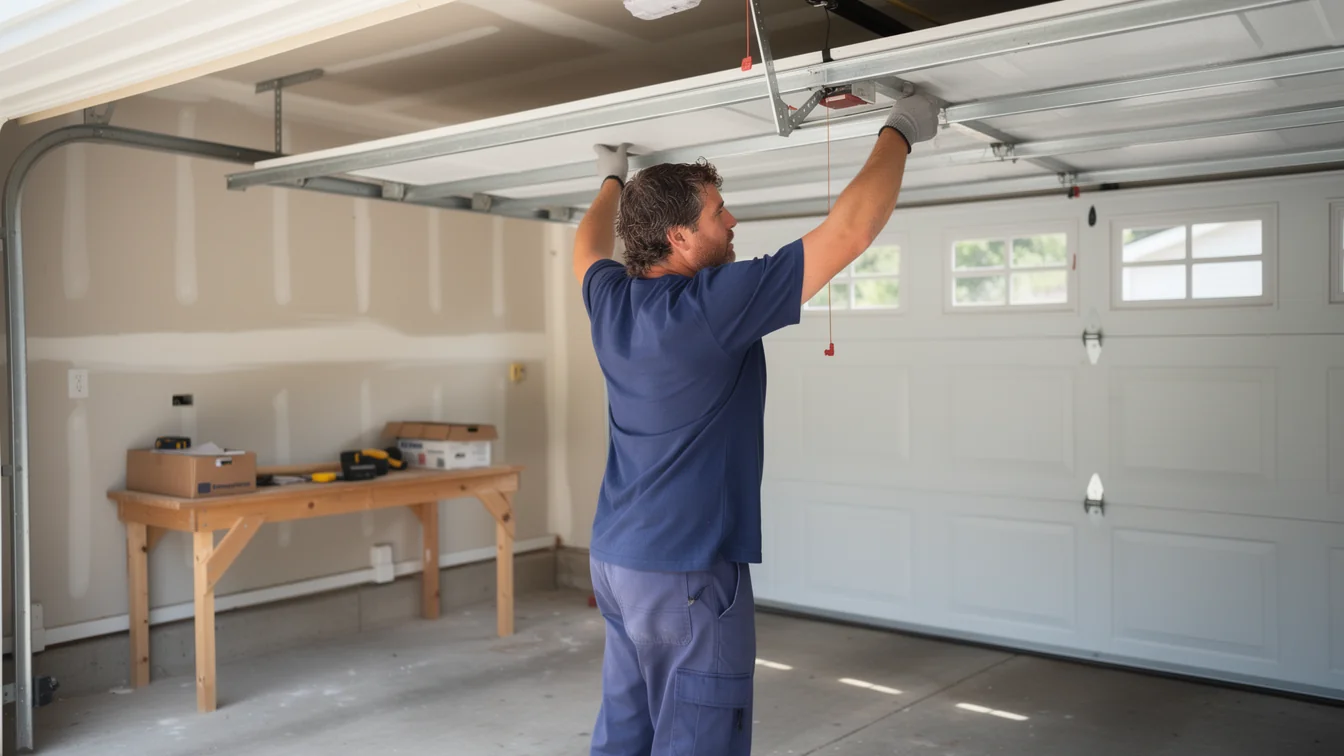 What Older North Richland Hills Garage Doors Are Actually Dealing With
North Richland Hills homes built 1953-2014 carry original doors with no insulation layer.
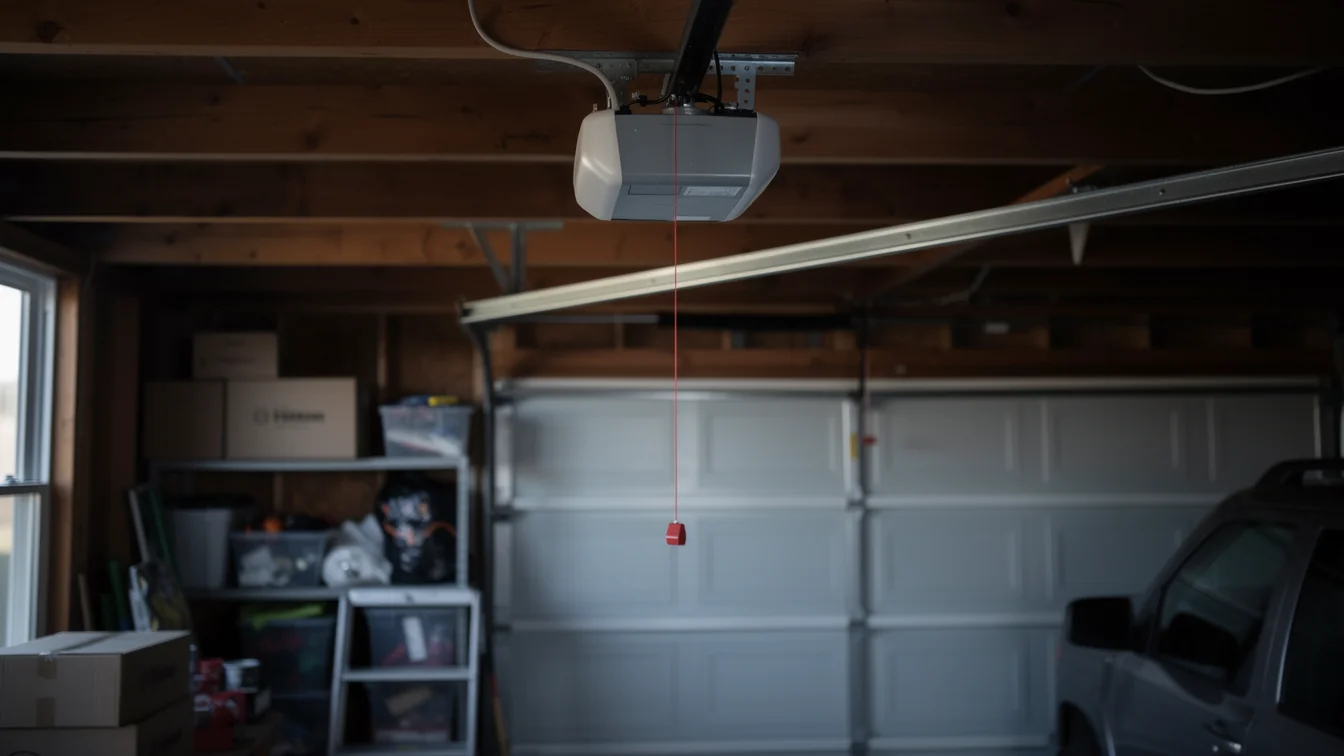 When a Spring Goes in Cold Weather: North Richland Hills
Why torsion springs fail on North Richland Hills homes built between 1953 and 2014, what cold fronts and summer heat do to the hardware, and what the repair actually costs to get right.
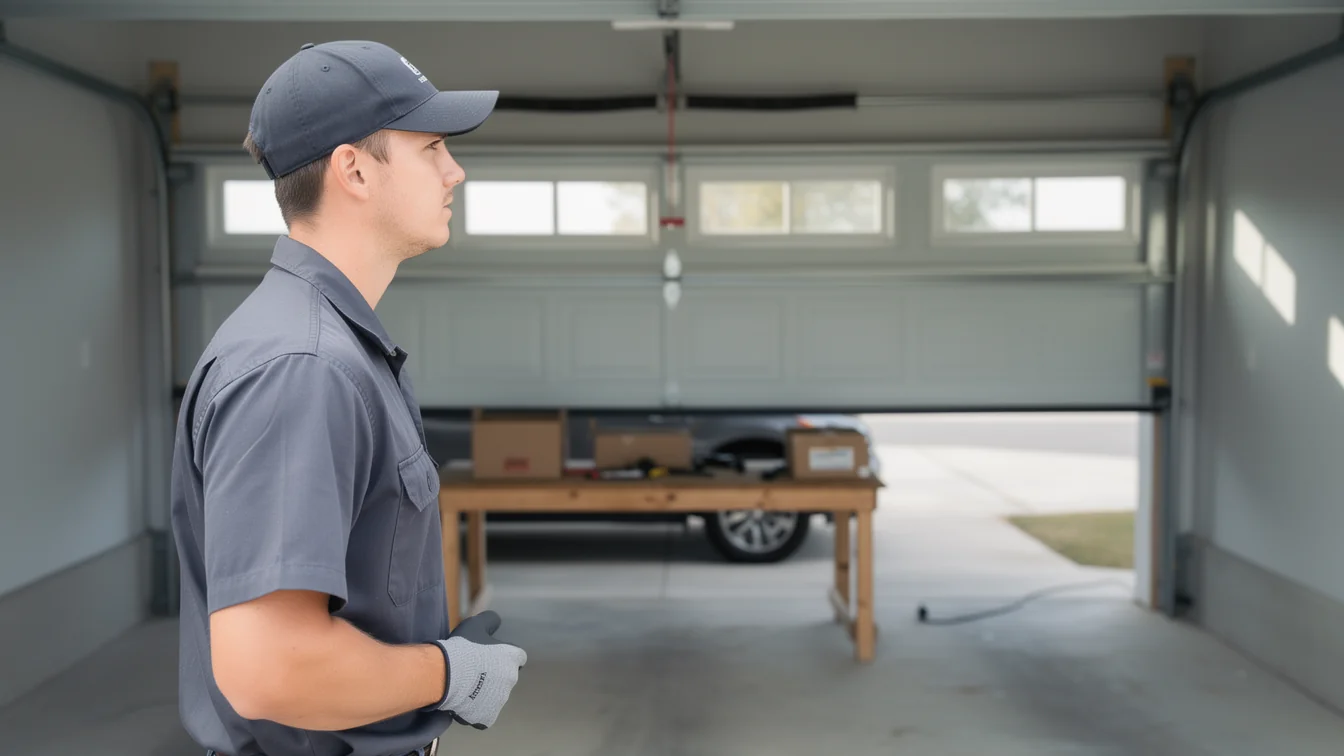 Weather Seals and Draughts on North Richland Hills Garage Doors
Why garage door weather seals fail faster in North Richland Hills homes built 1953-2014, what the heat does to them, and what actually needs replacing by season.
Ready when you are
Need a garage door sorted in North Richland Hills?
North Richland Hills Garage Door Co repairs and installs garage doors, springs and openers in North Richland Hills, TX and the surrounding area.