
Blog
Weather Seals and Draughts on North Richland Hills Garage Doors
Why garage door weather seals fail faster in North Richland Hills homes built 1953-2014, what the heat does to them, and what actually needs replacing by season.
The Cost of This Job
We don't have a flat number to hand you here, and giving you a made-up one would be worse than saying nothing. What we can tell you is what drives the cost up or down on this particular job in this area. A door built in the 1980s or 90s - which covers most of the housing stock in North Richland Hills, since the median build year across the area is 1992 - usually needs more than a strip of new rubber along the bottom. The track has often shifted slightly over three decades of use, the astragal channel is worn wider than it was cut, and the vinyl has shrunk, so a seal that looks like a five-minute swap turns into a track adjustment too. Newer builds, closer to the 2014 end of the range, tend to need a straight seal swap with no extra work. The honest answer is that we price it after we look at the door, not before - a seal job on a warped or sagging track costs more than the seal itself, and quoting blind on a door we haven't seen does nobody any favors. If your door is pre-1990s stock, budget for the possibility of track work alongside the seal.
The Problem
The complaint is almost always the same: a strip of daylight at the bottom corner, or a draught you can feel standing next to the door on a windy day. In a service area where most homes were built between 1953 and 2014 with a concentration in the 1980s and 90s, the seal material itself has had decades to do what vinyl and rubber do - shrink, harden, and pull away from the aluminum retainer it sits in. On older builds, the retainer track itself is often the narrower style common to that era's doors, which means modern wider replacement seal doesn't always seat right without swapping the retainer too. We see this most on south and west-facing doors, where sun exposure speeds up the hardening. The fix sounds simple - pull the old bead, push in a new one - but on a retainer that's been crimped or bent slightly out of true over thirty years, the new seal won't sit flush no matter how much you push it, and the draught comes right back within a season. That's the part homeowners don't expect when they order a seal kit online and try it themselves.
What the Weather Here Does to It
North Richland Hills sits in a moderate-heat climate band, and that's the condition doing most of the damage to these seals, not cold. Vinyl and rubber weather seals go through repeated expansion in the heat of the day and contraction overnight, and that cycle, repeated for years, is what makes the material crack rather than flex. It's a slower failure than a deep-freeze split, but it adds up the same way across a thirty-year-old door. This pattern holds across the wider service area - Richland Hills, Haltom City, Keller, and the other communities within a dozen miles all sit in the same band, so a seal that's failing here is failing on the same timeline in a house four miles over. The practical effect: by the time a homeowner notices the draught, the seal has usually been losing its grip for a year or more, just slowly enough that nobody caught it happening. There's no hard freeze event here that snaps a seal overnight - the failure is gradual, which is also why it's easy to put off until the gap is wide enough to let bugs and leaves in with the air.
What Changes With the Season
Summer is when the seal problem gets loud. Heat softens the vinyl during the day, and as the door sits closed overnight it stiffens back up slightly shrunk from the day's expansion - that daily cycle is what finally pulls a worn bead loose from a track that's lost its grip. Homeowners usually call once they notice the air conditioning working harder or a strip of light under the door at midday. There isn't a hard freeze season here that cracks seals the way a true northern winter does, so the failure curve is steadier and less dramatic than in colder climates - which also means there's no single month to watch for. Given that most doors in this area are tied to a median build year of 1992, the seals on a huge share of local garage doors are now well past any reasonable service life regardless of season. If you're doing one seasonal check, late summer is the useful one: feel along the bottom and both side jambs for warm air coming through, since that's the point in the year the vinyl has shrunk the most from heat exposure.
Questions
Common questions
How old does a weather seal usually get before it needs replacing?
We don't have a fixed lifespan number to give you, but on homes in this area built around the 1992 median, original seals are now past 30 years old and most have hardened or cracked by then. Heat cycling speeds that up. If your door is from that era and you haven't replaced the seal, it's worth checking.
Can I just buy a seal kit and install it myself?
You can, and on a newer door with a straight retainer track it often works fine. The problem shows up on older houses where the retainer itself has shifted slightly over decades - the new seal goes in but won't sit flush, and the draught comes back. We check the track before we quote a seal-only job.
Is the draught worse in summer or winter here?
Summer, mostly. North Richland Hills sits in a moderate-heat band, and the daily heat-and-cool cycle is what shrinks and cracks the vinyl over time, more than any single cold event. Most calls about a bottom-seal draught come in during the hotter months when the gap is widest.
Does a draughty seal mean I need a whole new door?
Not usually. Most of the time it's the seal and sometimes the retainer track, not the door panel itself. A full replacement only makes sense if the panel is warped or the track is bent beyond adjustment, which is something we'd tell you plainly rather than talk you into a new door you don't need.
Recommendation
You Might Also Like
More garage door guides for North Richland Hills homeowners.
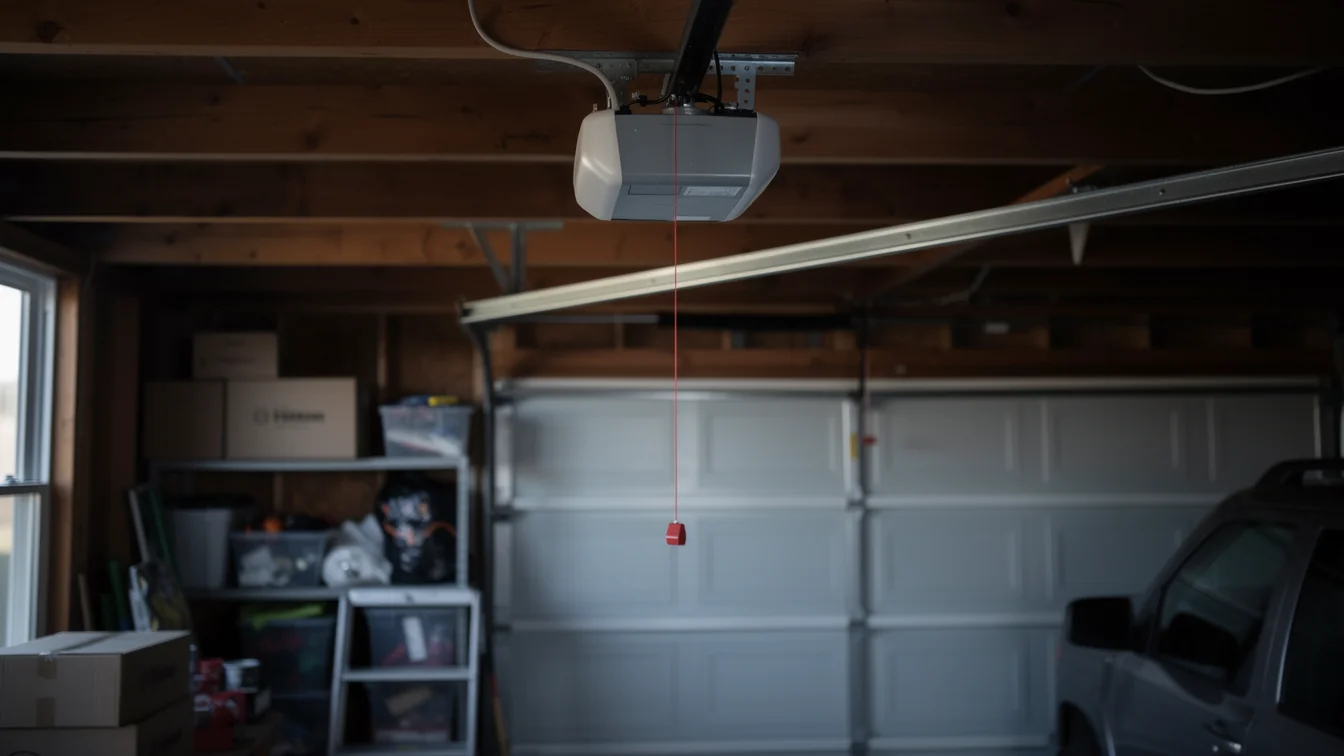 When a Spring Goes in Cold Weather: North Richland Hills
Why torsion springs fail on North Richland Hills homes built between 1953 and 2014, what cold fronts and summer heat do to the hardware, and what the repair actually costs to get right.
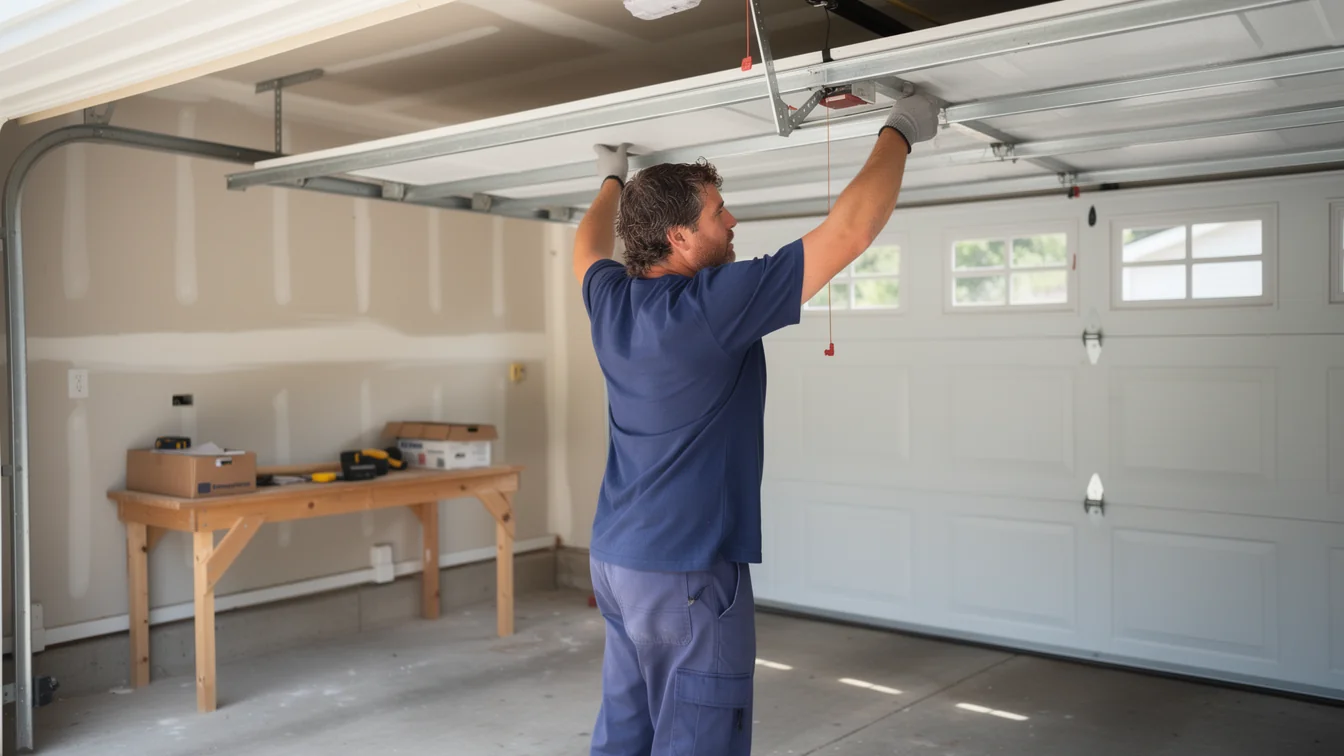 What Older North Richland Hills Garage Doors Are Actually Dealing With
North Richland Hills homes built 1953-2014 carry original doors with no insulation layer.
Why a Garage Door Goes Off Track Around North Richland Hills
A look at why garage doors jump track on North Richland Hills homes built mostly in the 1980s and 90s, and what the heat here does to the hardware.
Ready when you are
Need a garage door sorted in North Richland Hills?
North Richland Hills Garage Door Co repairs and installs garage doors, springs and openers in North Richland Hills, TX and the surrounding area.