Blog
When a Spring Goes in Cold Weather: North Richland Hills
Why torsion springs fail on North Richland Hills homes built between 1953 and 2014, what cold fronts and summer heat do to the hardware, and what the repair actually costs to get right.
The Cost of This Job
A broken torsion spring isn't a big-ticket repair, but what you pay depends on what's behind the door, and in North Richland Hills that varies more than people expect. Housing here was built across a long stretch - 1953 through 2014, with the median home dating to 1992 - so you've got everything from original single-spring setups on older ranch-style garages to dual-spring systems on doors installed during the 1990s building boom that makes up most of the stock. The older the system, the more likely the spring size and winding drum are discontinued, which adds time to the job even when the fix itself is simple.
With median household income at $107,916 across the service area, most owners here aren't choosing between a repair and a replacement on price alone - they're choosing based on whether the rest of the door is worth saving. We don't quote a number without seeing the unit, because a 1960s door with a worn torsion tube costs more to match than it does to just replace outright. That's not upselling; it's the honest math once parts availability enters the picture. We'll tell you straight if your door falls into that category before we start.
The Problem
Torsion springs store energy by twisting against themselves, and that twist is what lifts the door. Every open-close cycle works the steel a little, and the failure point is almost always sudden - one morning the door won't budge, or it slams down because the spring let go mid-cycle. On the older end of North Richland Hills housing stock, built in the 1950s through the 1970s, a lot of these springs are original or close to it, sized for doors that have since been replaced with heavier insulated panels the spring was never rated to lift.
On homes from the 1980s and 90s boom - the bulk of the area's housing - the springs are usually newer, but the openers paired with them often aren't, and an opener straining against a weakening spring burns out its gears trying to compensate. Either way, the spring doesn't fail because of bad luck. It fails because it's done the math of its own wear, and the day it lets go is just the day the number ran out. We don't patch a spring. Once it's cracked or stretched past its coil spacing, it gets replaced, full stop - there's no safe partial fix for a component under that much stored tension.
What the Weather Here Does to It
This area sits in a moderate heat climate band, and that's the bigger stressor on your door hardware than most people assume. Summer heat softens the grease packed into spring coils and roller bearings, so by August a spring that was fine in March is working drier and binding slightly with every cycle - added friction that accelerates fatigue. Steel also expands under sustained heat, which changes the preload tension on a torsion spring just enough to shift how evenly a two-spring system shares the load.
Then a cold front comes through and reverses it: the steel contracts, grease thickens and stops flowing into the coil gaps, and a spring that was already fatigued from a summer of heat-thinned lubrication meets its stiffest, least forgiving state right as the temperature drops. That's when a spring goes in cold weather - not because cold alone breaks steel, but because it's the last stress added to a system already worn down by a long run of heat. Homes built on the older end of the local range, before insulated doors became standard, see this most, since the original hardware was never spec'd for today's heavier panels.
What Changes With the Season
The swing between a North Richland Hills summer and the cold fronts that roll through afterward is where most spring failures cluster, not in the dead of either extreme. It's the transition that does the damage - grease state changing, steel tension shifting, and an opener already compensating for a tired spring getting asked to do more work in stiffer conditions.
If your door has gotten noisier, slower to close, or needs a shove partway through the cycle as the weather turns, that's the spring telling you where it's at before it fails outright. Catching it in that window is cheaper and safer than waiting for the snap, especially on the pre-1990s end of the local housing stock where matching parts takes longer to source. We service the North Richland Hills area along with nearby communities within a few miles - Richland Hills, Haltom City, Keller, Saginaw - and the seasonal pattern holds across all of them, since it's weather and housing age driving it, not street address.
Questions
Common questions
Why does my garage door spring always seem to break when it gets cold?
It's rarely the cold alone. A spring that's been running dry from a summer of heat-thinned grease hits its stiffest point right as temperatures drop, and that's often the final stress that snaps it. The failure looks sudden but it's been building through the heat before the cold front finishes it off.
Is it worth repairing an old torsion spring or should I replace the whole system?
Depends on the door behind it. On houses from the older end of our area's housing range, matching an original spring size can take longer and cost more than swapping to a current dual-spring setup. We'll look at the drum, shaft, and door weight before quoting, rather than assuming repair is automatically cheaper.
How often should springs be checked given the local climate?
With a moderate heat climate cycling into cooler fronts each year, a once-a-year check before the weather turns catches most problems while they're still a noise or a slow-close rather than a full break. We're not going to tell you to call quarterly - that's more than this climate actually demands.
Do you work outside North Richland Hills itself?
Yes, we cover the surrounding area including Richland Hills, Haltom City, Keller, and Saginaw, among other nearby communities. The spring-failure pattern tied to heat-to-cold transitions holds across all of them since it's driven by weather and housing age, not city limits.
Recommendation
You Might Also Like
More garage door guides for North Richland Hills homeowners.
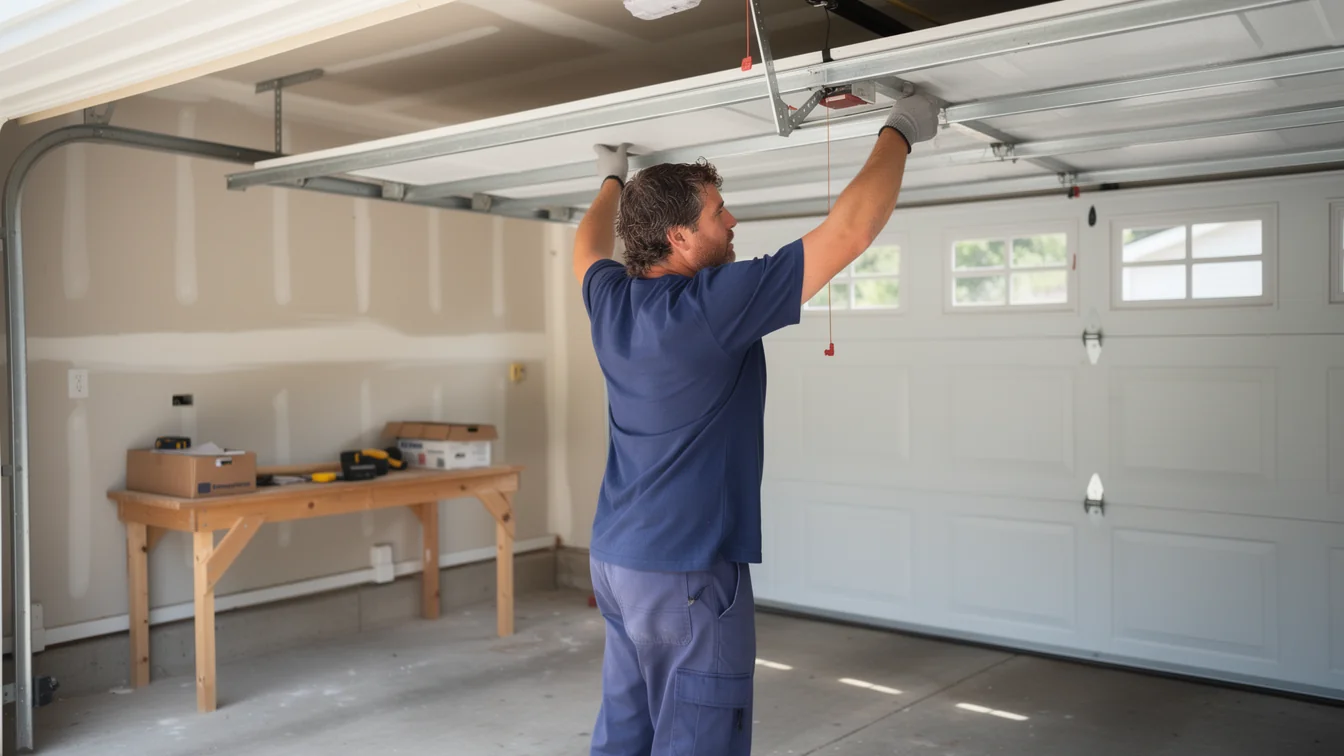 What Older North Richland Hills Garage Doors Are Actually Dealing With
North Richland Hills homes built 1953-2014 carry original doors with no insulation layer.
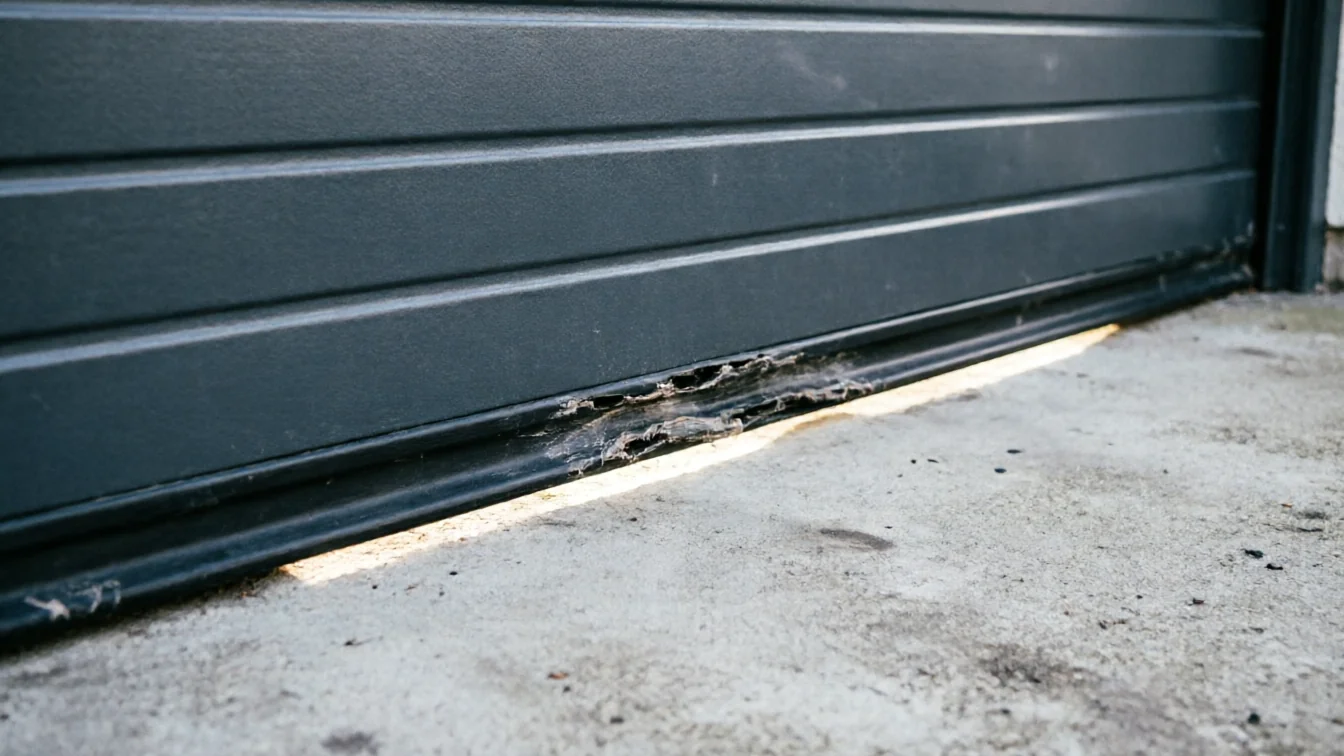
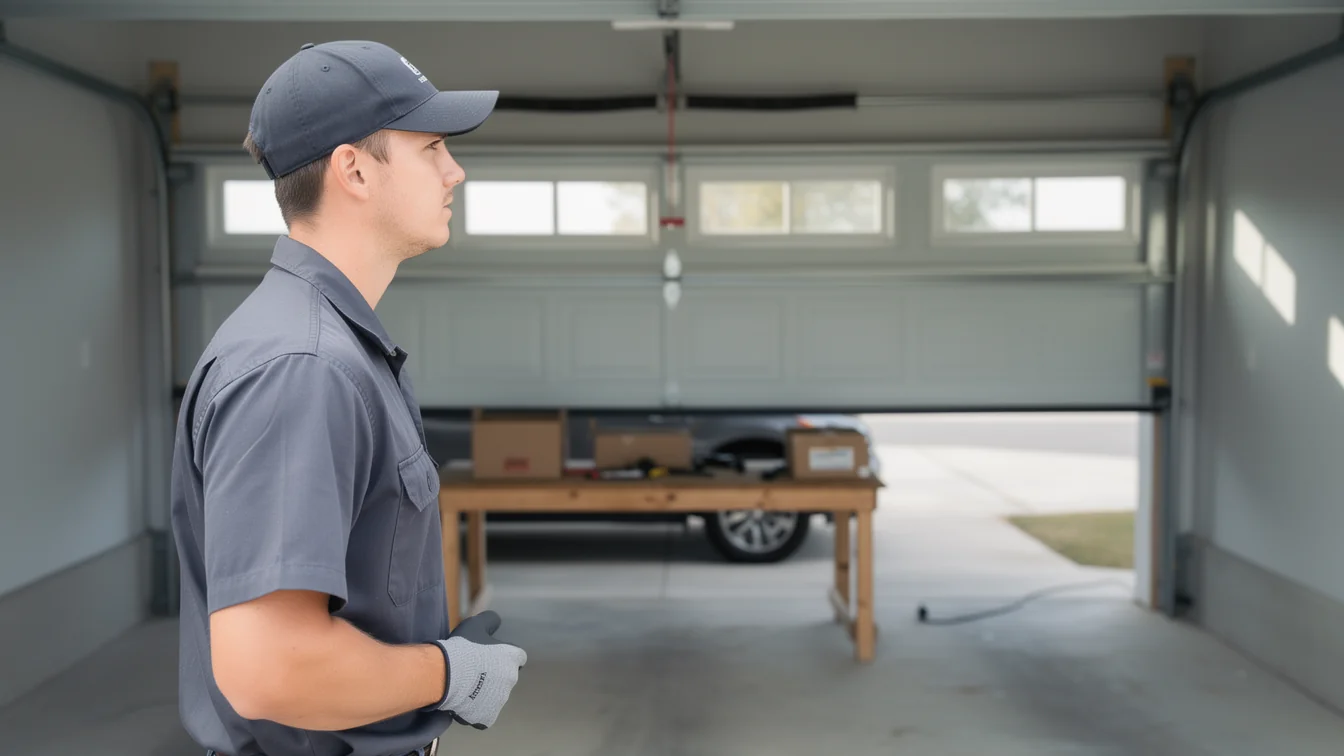 Weather Seals and Draughts on North Richland Hills Garage Doors
Why garage door weather seals fail faster in North Richland Hills homes built 1953-2014, what the heat does to them, and what actually needs replacing by season.
 Why Garage Door Openers Fail Here When the Power Cuts Out
In North Richland Hills, openers installed when houses were built between 1953 and 2014 often lack battery backup, and summer heat raises outage risk.
Ready when you are
Need a garage door sorted in North Richland Hills?
North Richland Hills Garage Door Co repairs and installs garage doors, springs and openers in North Richland Hills, TX and the surrounding area.