Loud bang, stuck door
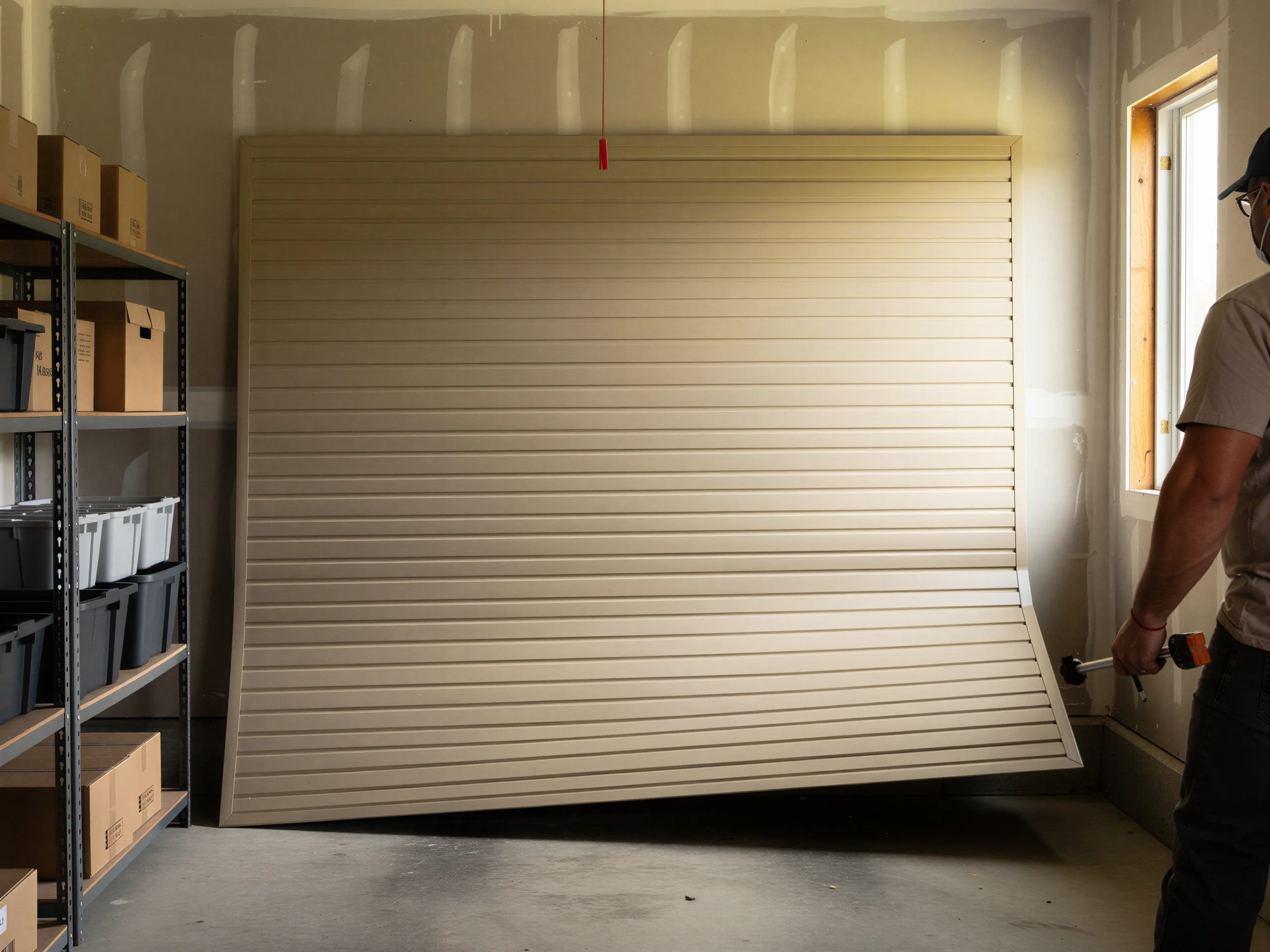
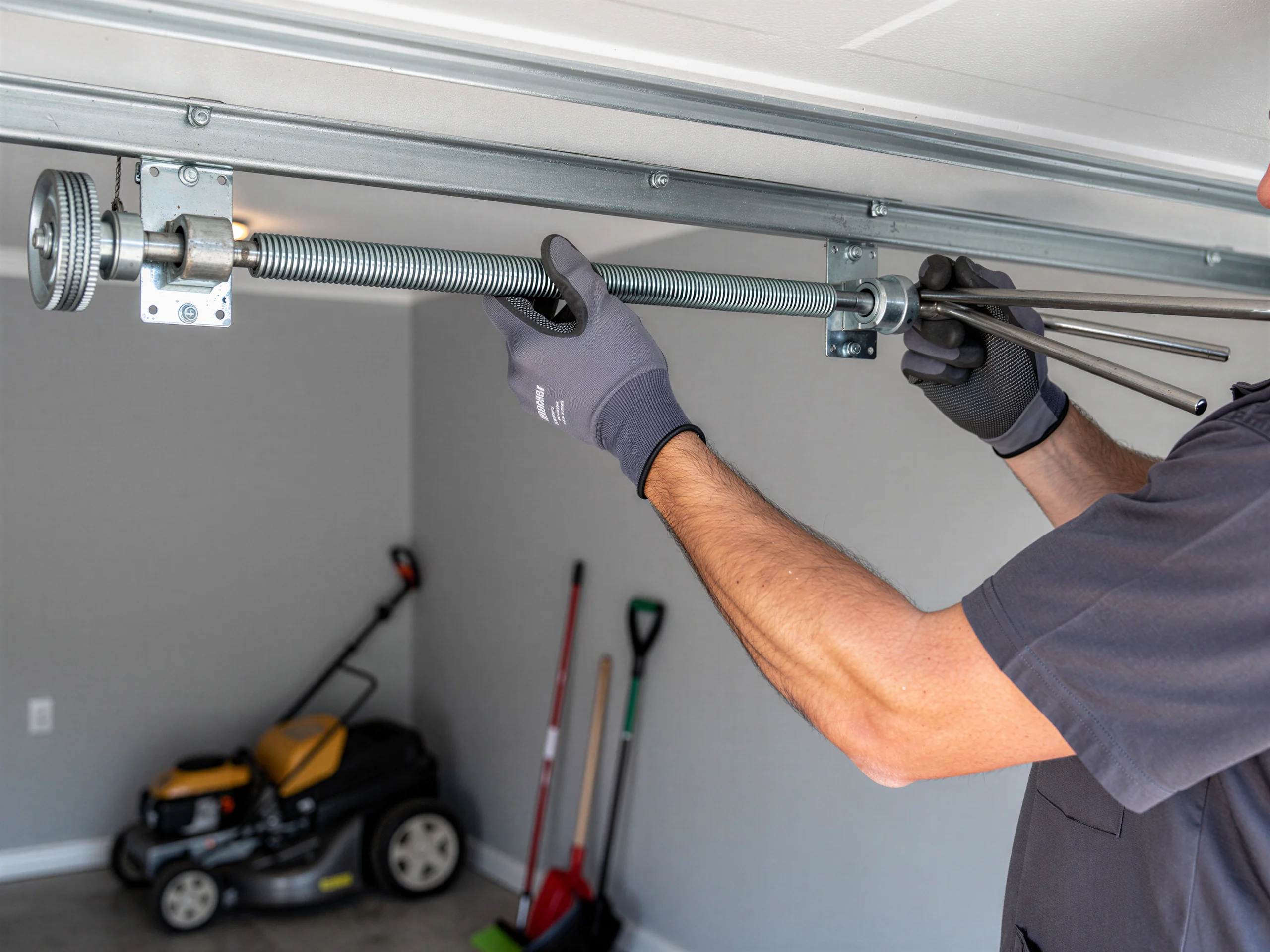
You might hear a loud bang from the garage followed by the door refusing to budge at all - that's usually a spring letting go. None of this is subtle once it starts, and it rarely fixes itself.
North Richland Hills, TX
Noisy, slow, or stuck garage door in North Richland Hills? We work on the 1990s-era torsion springs and openers common in this part of Tarrant County.
Symptoms
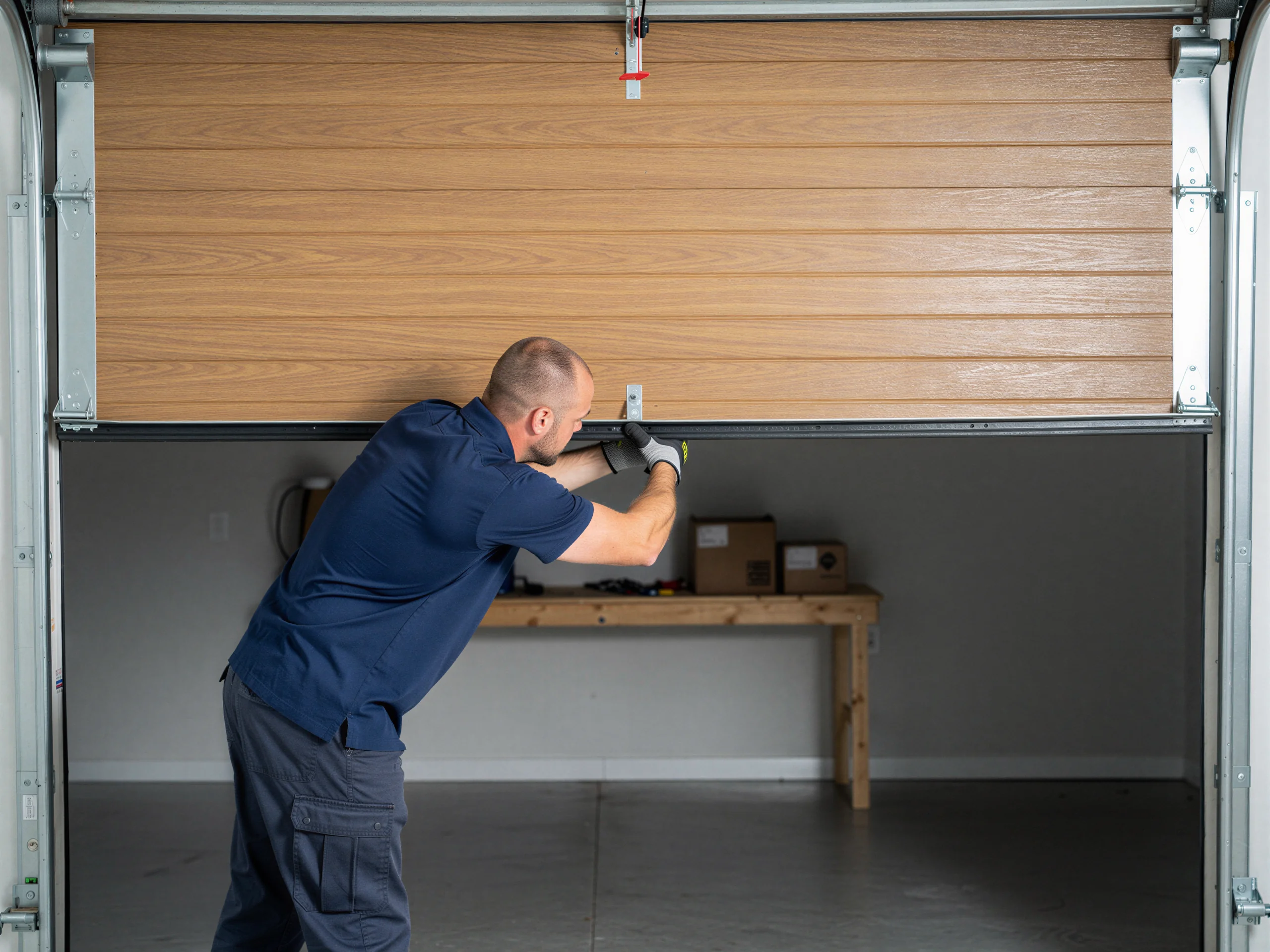
The door groans going up, jerks partway, or stalls before it reaches the top. Sometimes the opener runs but the door doesn't move, or it moves and then reverses on its own halfway down.
You might hear a loud bang from the garage followed by the door refusing to budge at all - that's usually a spring letting go. None of this is subtle once it starts, and it rarely fixes itself.
A door that hesitates today is a door that won't open tomorrow morning when you're already late. Most calls we get in this area aren't about a door that's broken overnight for no reason - they're about a door that's been telling you something for weeks and finally quit.
The opener strains harder each cycle, the spring makes a different sound, the track rattles a little more. By the time it stops working altogether, the wear has usually been building for months.
Local causes
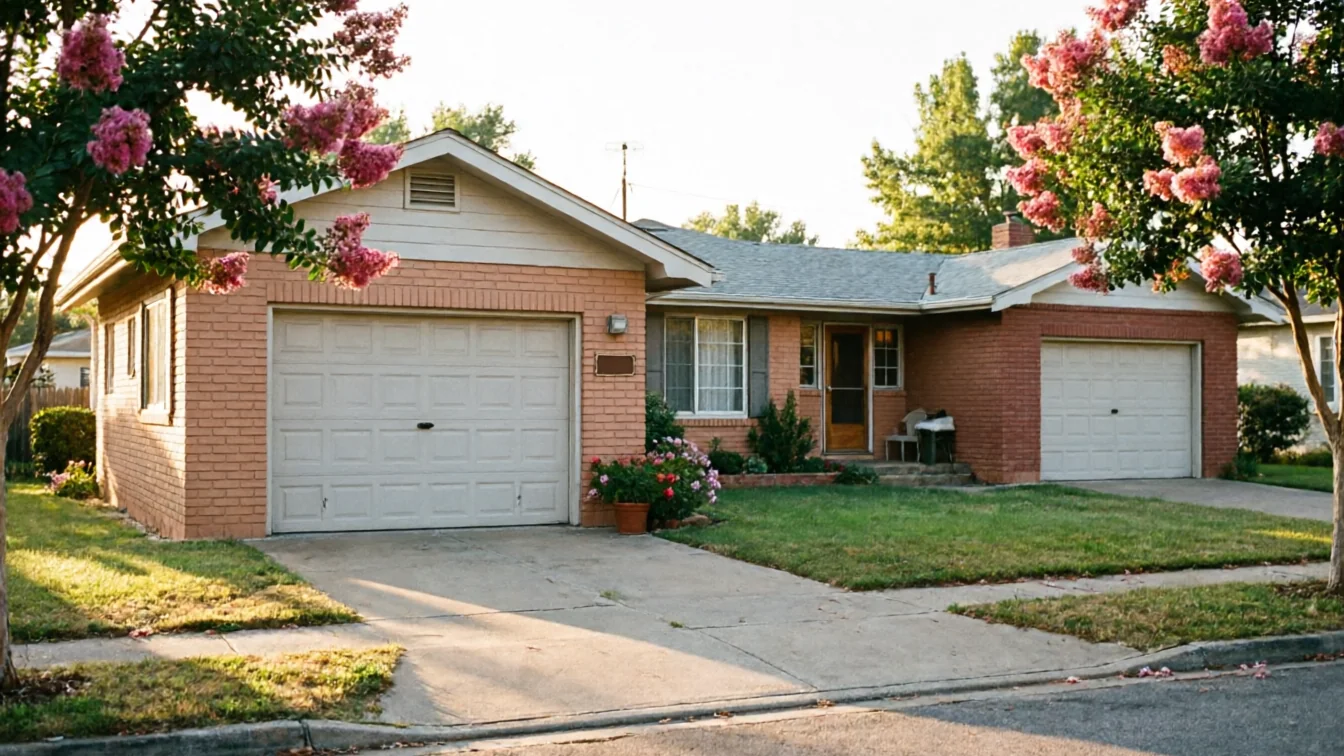
North Richland Hills housing runs from the early 1950s up through recent builds, but the bulk of it - across the 30 or so neighborhoods in this part of the metro - went up in the 1980s and 90s, with a median build year around 1992. That matters because torsion springs are rated for a set number of open-close cycles, not years, and a spring installed when a house was built in that window has usually put in 25 to 30-plus years of daily use by now. It's past due, whether or not it's shown obvious signs yet.
Same story with openers from that era: a lot of them are chain-drive units with nylon gear sets inside the motor housing. Heat is the other half of the problem - this area sits in a moderate-heat climate band, and summer temperatures in a closed garage bake the grease out of those gears and dry up spring lubricant faster than in a cooler region. Dried lubricant means more friction, more strain on the opener motor, and a spring that fatigues sooner than its rated cycle count would suggest. It's a predictable combination: 90s-era hardware plus summer heat plus thousands of cycles equals the symptoms above.
Our process
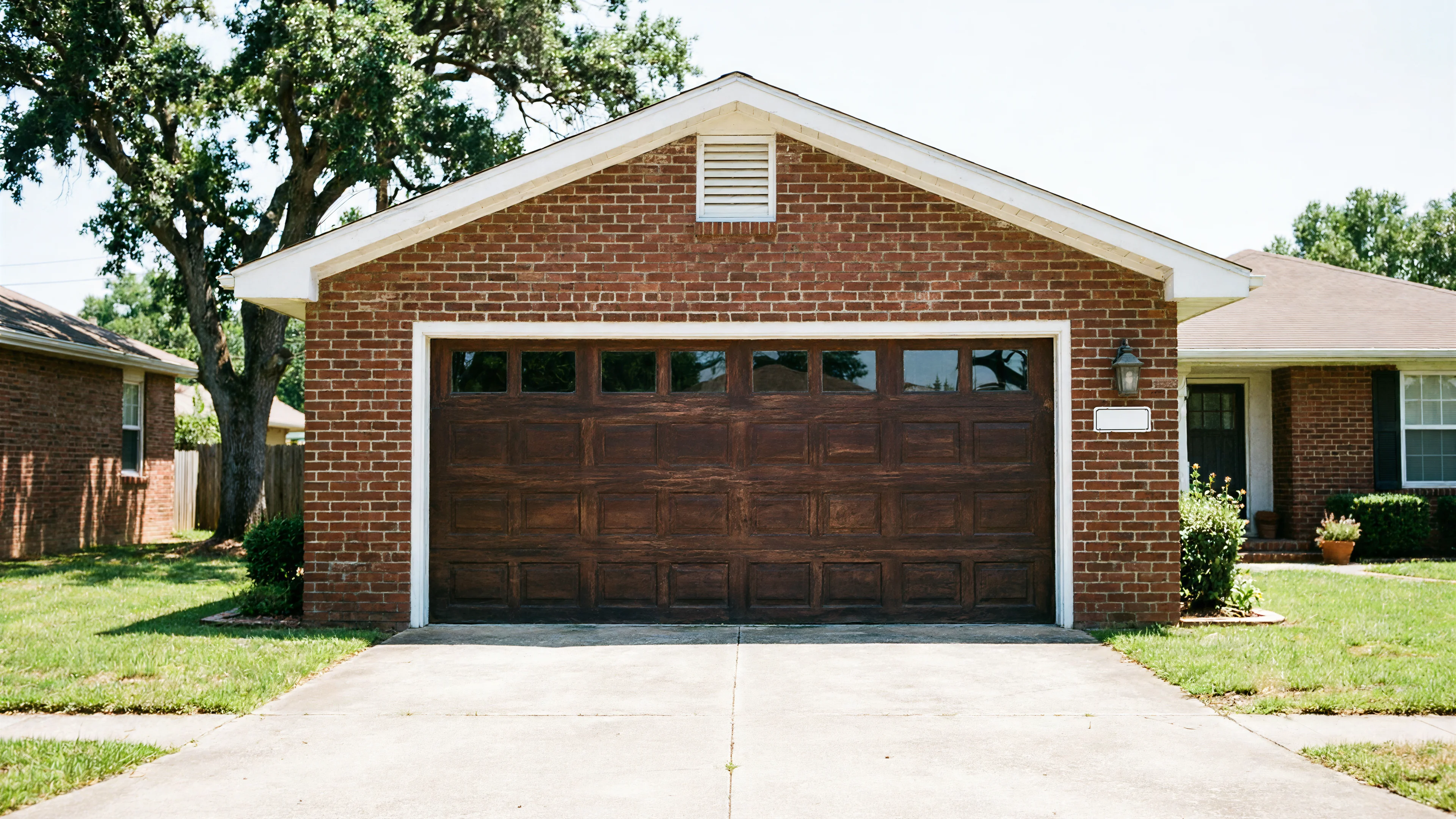
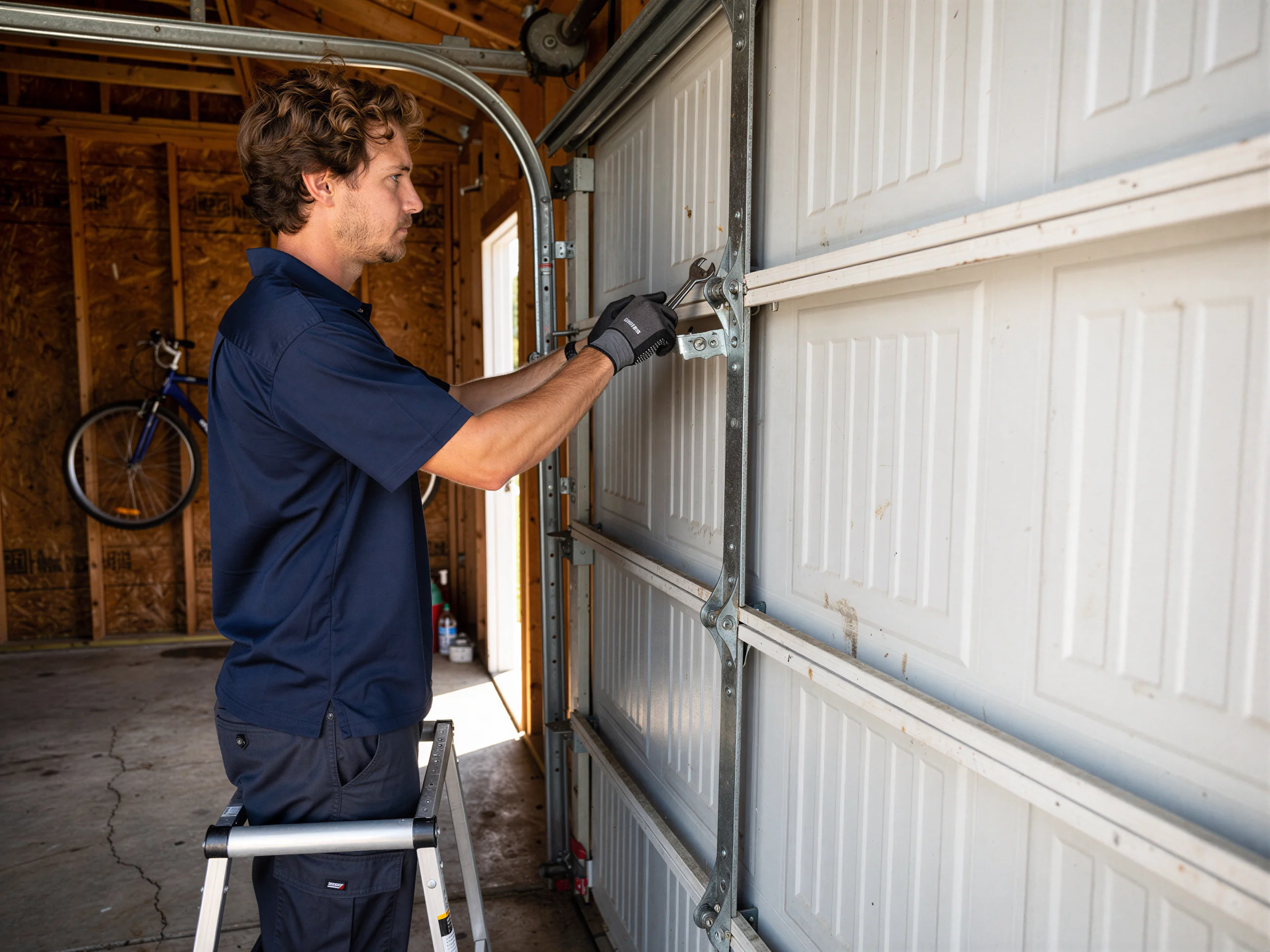
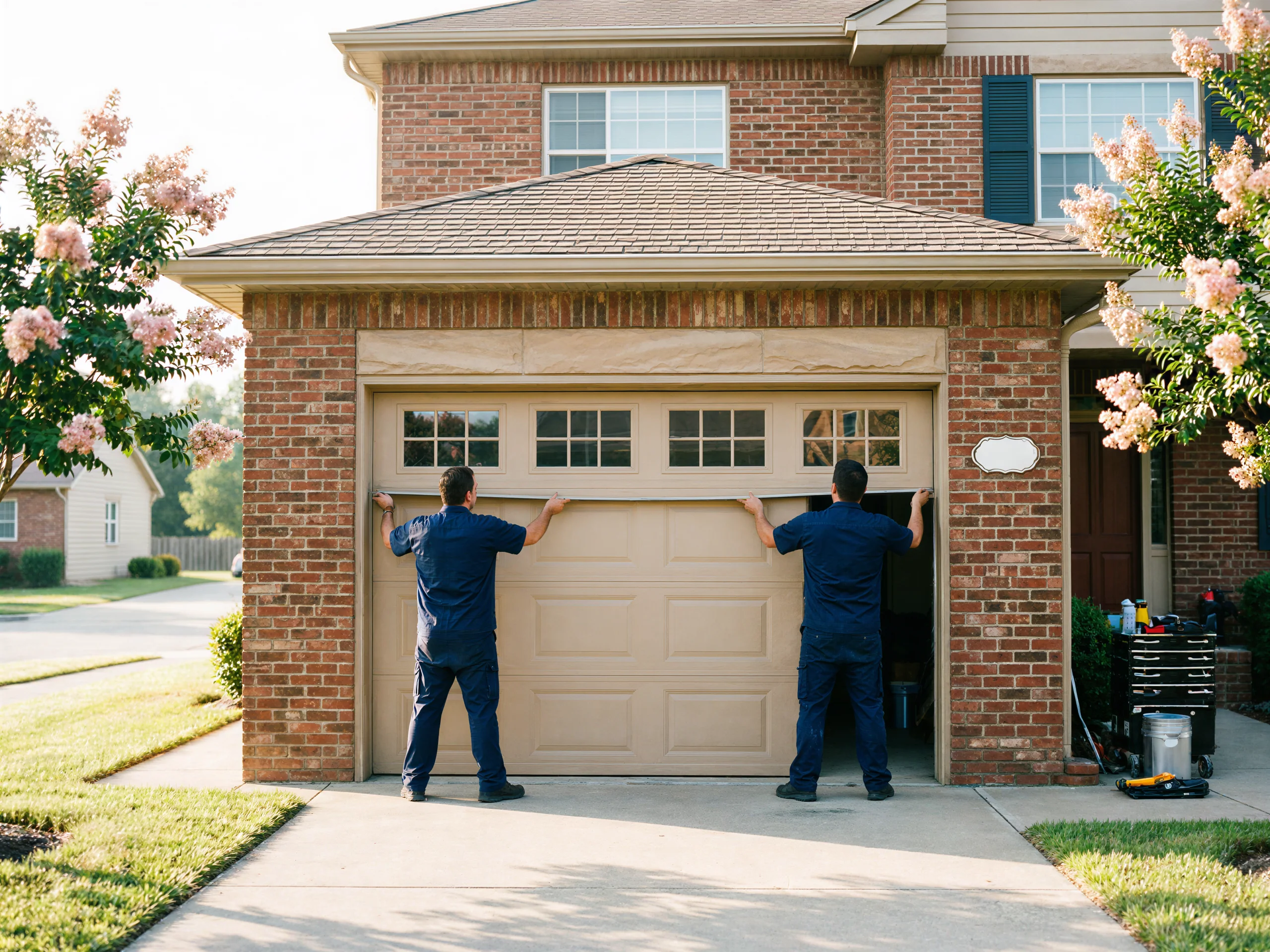
We start by watching the door run a full cycle, both on the opener and disconnected by hand, to find out whether the problem is spring tension, a worn opener gear, bad rollers, or a track that's shifted out of alignment.
Those four things get misdiagnosed as each other constantly, and replacing the wrong part doesn't fix anything - it just delays the real repair. If it's the spring, we replace it with one matched to your door's actual weight and cycle demand, not a generic size off the shelf.
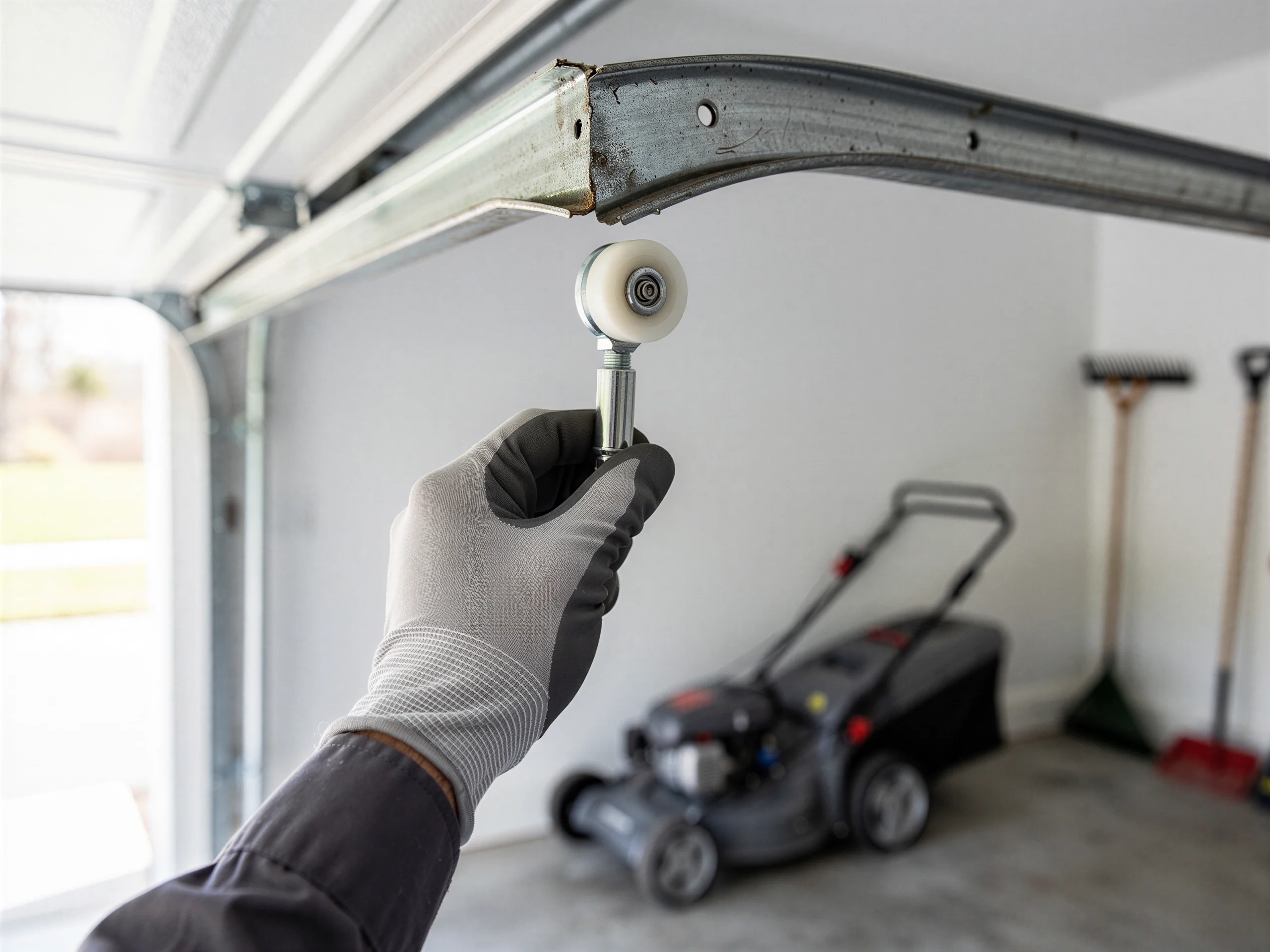
If the opener's nylon gear kit is the failure point, we can often rebuild the drive unit rather than replace the whole opener, which costs less and gets you running the same day in most cases. Worn rollers and stretched cables get swapped as part of the same visit if they're close to failing, since opening the door back up a second time in a few months costs you more than doing it once.
One honest limit here: if your opener model is old enough that the manufacturer no longer makes parts for it, a rebuild isn't always possible, and full opener replacement is the more sensible call even though it costs more upfront.
On the truck
Our trucks carry torsion springs in the size ranges that cover the 1980s and 90s door openings common in this area, along with standard-lift cables, nylon and steel rollers, and gear-and-sprocket kits for the chain-drive openers that are still running in a lot of these garages. We also stock general hardware - hinges, end bearings, track sections - for the wear-and-tear repairs that come with a 25-to-30-year-old door.
What we don't always carry is a part for a less common opener brand or a door size outside the usual range - older custom doors or imported openers sometimes need a part ordered in, and we'll tell you upfront if that's the case rather than guessing on the spot. For most of what comes through on a service call in North Richland Hills, Richland Hills, Haltom City, Keller, or the surrounding area, we're carrying what the job needs before we knock on your door.
Questions
Springs fail by cycle count, not calendar age, but a lot of homes here had springs installed when the house was built, often in the 1980s or 90s. At that age, most springs have used up their rated cycles and are a matter of when, not if, they break.
Heat dries out the grease in the gear set and spring coils faster, which adds friction the motor has to work against. In a moderate-heat climate like this one, that wear shows up gradually over each summer rather than all at once.
Often yes, if it's a gear or chain issue on a chain-drive unit. If the model is old enough that parts aren't made anymore, replacement ends up being the more practical option, and we'll tell you which situation you're in before starting work.
We stock springs, cables, rollers, and gear kits that cover most of the door ages common in this area. Less common opener brands or older custom door sizes sometimes need a part ordered in, which we'll flag upfront.
Explore more
Ready when you are
North Richland Hills Garage Door Co repairs and installs garage doors, springs and openers in North Richland Hills, TX and the surrounding area.