
Blog
Why a Garage Door Goes Off Track Around North Richland Hills
A look at why garage doors jump track on North Richland Hills homes built mostly in the 1980s and 90s, and what the heat here does to the hardware.
The Cost of This Job
We don't have a flat number to hand you here, because an off-track door is one of those jobs where the price swings on what caused it. A door that jumped the track because one roller snapped is a different job than one where the track itself is bent or the horizontal rail pulled loose from the framing. On a lot of the houses in this service area, built across 1953 to 2014 with most of the stock dating to the 1980s and 90s, the original steel track and roller setup is still in place, and that older hardware doesn't flex the way newer coated track does - it bends instead of absorbing the hit. That changes whether we're re-seating rollers or replacing a section of track. The honest answer is we look at the door before we quote it. What we can tell you is that the age of the hardware on a median-1992 build changes the job more than the brand of the door does.
The Problem
A door comes off track almost always for one of three reasons: a roller wears out and binds instead of rolling, a cable goes slack or snaps and lets the door hang unevenly, or something hits the track and knocks it out of line - a car bumper, a stored ladder, a kid's bike. On the housing stock common through this area, where original hardware from the 1980s and 90s is still doing the job it was installed to do decades ago, the first cause shows up the most. Steel rollers from that era were never sealed, so they wear from the inside out and nobody notices until the door starts walking sideways in the opening. Once a roller seizes partway up the track, the door doesn't come down straight - it cocks, and the next cycle can pull the track screws right out of the jamb. We don't push full track replacement if a re-alignment and roller swap solves it; a bent four-foot section is a cheaper fix than people expect, and we'll tell you when that's all it needs.
What the Weather Here Does to It
This area sits in a moderate heat band rather than one of extreme highs, but moderate heat still means steady expansion and contraction on anything metal mounted to a wood or brick frame. Track brackets loosen a little at a time across years of warm afternoons followed by cooler nights, and on houses built in the 1980s and 90s that cycle has now run for three or four decades. The bracket doesn't fail all at once - it walks a sixteenth of an inch looser every season until one day the track has enough play that a roller can jump the rail on a normal open-close cycle. We see this more on older build-year homes with original mounting hardware than on anything put up in the last fifteen years, simply because the newer fasteners and brackets are built for more cycles of that same heat swing.
What Changes With the Season
The clearest pattern we see tracks with the heat, not with cold snaps, since this area doesn't carry the same freeze-thaw cycle some regions deal with. As temperatures climb through the warmer months, garage interiors - especially on homes from the 1980s-90s stock that make up most of this area - run hotter than the outside air for hours after sunset, and that heat soak is what stresses the bracket screws and the track seams over a full season. We get more off-track calls in the stretch when daytime highs stay elevated for weeks at a time than in any cold-weather month. If your door has started making a new rattle or dragging slightly on one side as the weather's turned warmer, that's usually the track telling you a bracket's worked loose before it actually drops off the rail.
Questions
Common questions
Why did my garage door suddenly come off the track with no warning?
Usually there wasn't no warning - there was a roller or bracket slowly failing for months and you didn't notice the small drag or slight tilt until it let go. On homes with original 1980s-90s hardware, that gradual wear is the most common path to a door jumping track.
Can I push the door back onto the track myself?
We'd rather you didn't. A door under spring tension that's off track can drop or swing unexpectedly, and a bent track section looks fixable by hand but usually isn't once it's out of plane. It's a job for someone with clamps and the right leverage, not a flashlight and a hope.
Is it the heat or just old age causing this?
Both, really. The moderate heat here puts a steady expansion-and-contraction load on track brackets every year, and on a house from the 1980s or 90s that load has been adding up for three or four decades. Age sets up the failure; the heat cycle is what finally tips it.
Will I need a whole new track or just a repair?
Depends on what we find. A single bent section near the bottom rollers is often a cut-and-replace of that piece alone. If the bend runs higher up near the horizontal rail or the wall brackets have pulled loose from the framing, a fuller track replacement usually makes more sense than patching it.
Recommendation
You Might Also Like
More garage door guides for North Richland Hills homeowners.
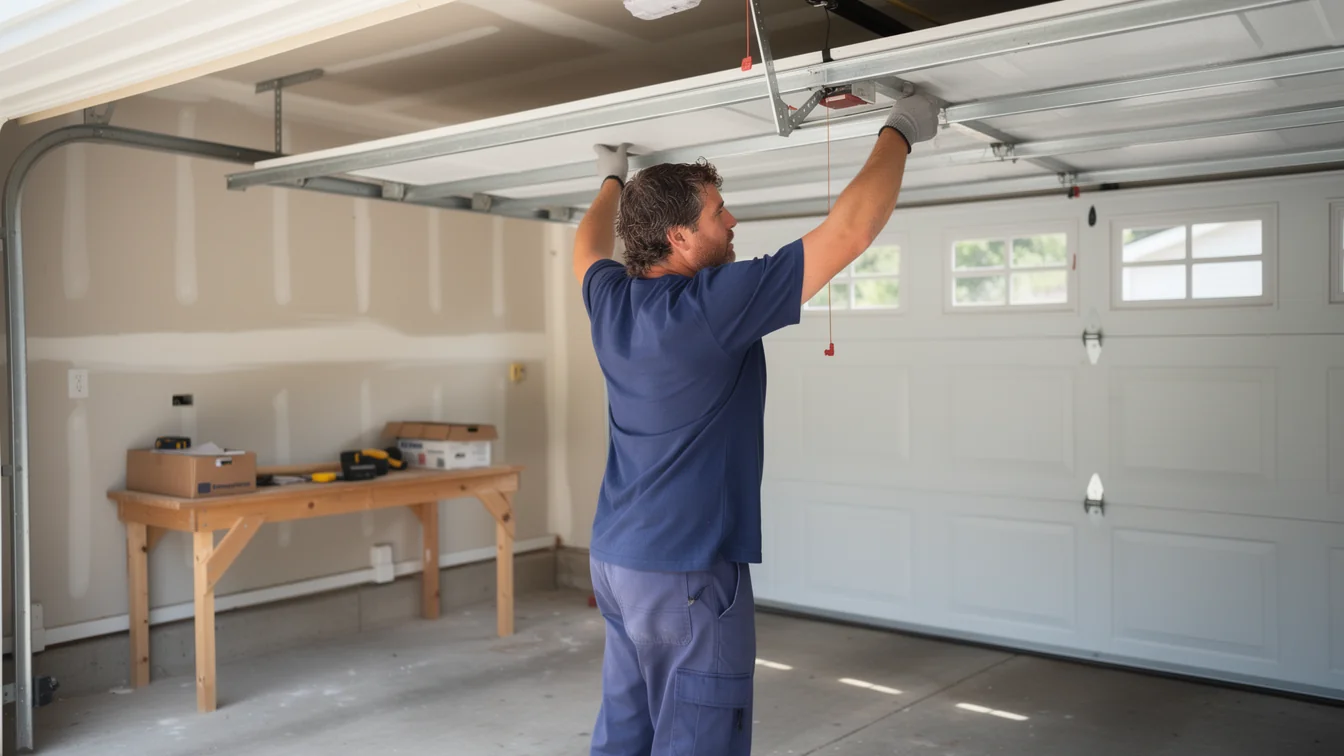 What Older North Richland Hills Garage Doors Are Actually Dealing With
North Richland Hills homes built 1953-2014 carry original doors with no insulation layer.
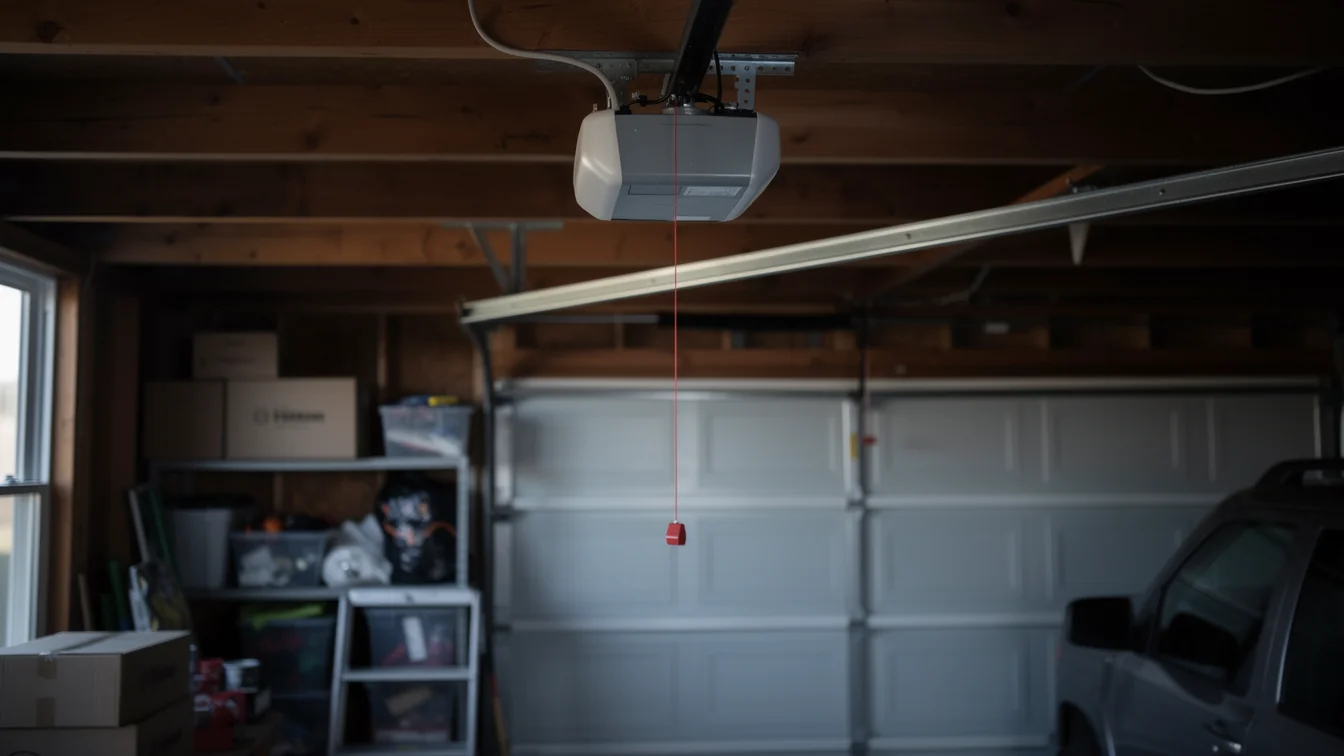 When a Spring Goes in Cold Weather: North Richland Hills
Why torsion springs fail on North Richland Hills homes built between 1953 and 2014, what cold fronts and summer heat do to the hardware, and what the repair actually costs to get right.
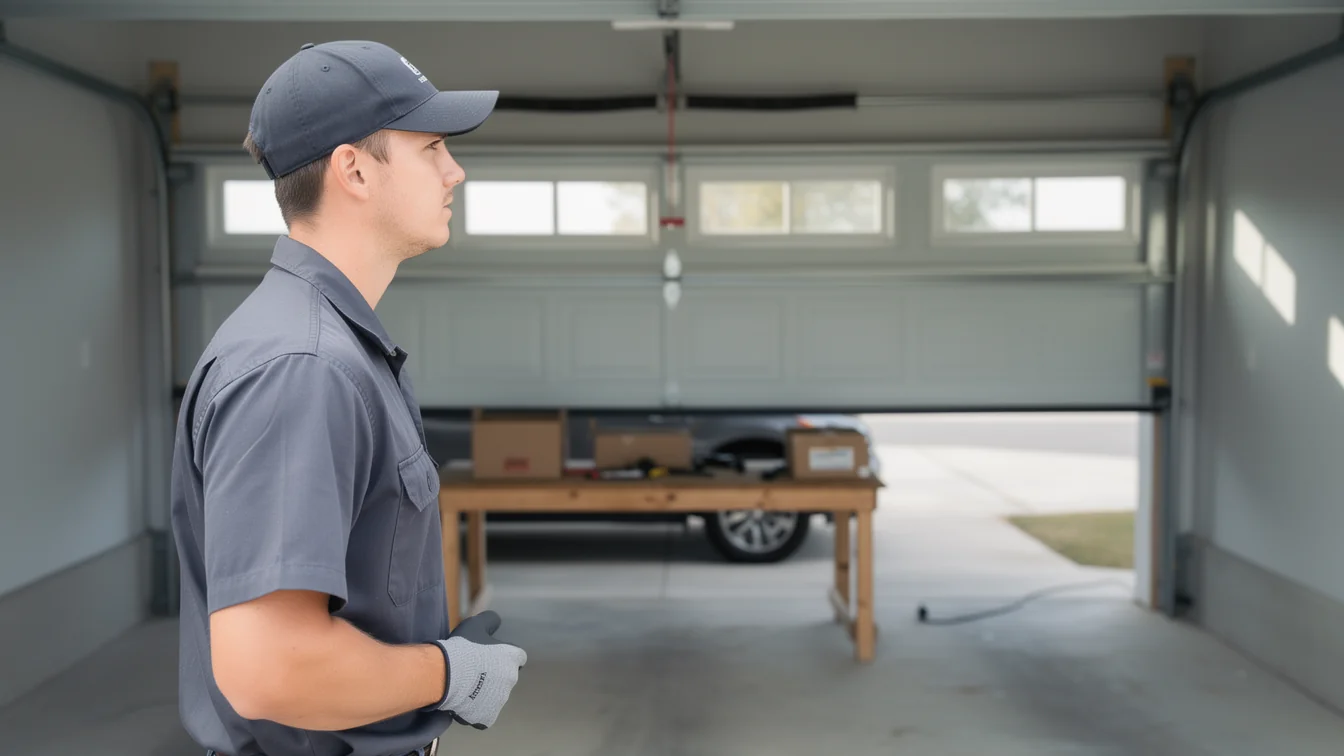 Weather Seals and Draughts on North Richland Hills Garage Doors
Why garage door weather seals fail faster in North Richland Hills homes built 1953-2014, what the heat does to them, and what actually needs replacing by season.
Ready when you are
Need a garage door sorted in North Richland Hills?
North Richland Hills Garage Door Co repairs and installs garage doors, springs and openers in North Richland Hills, TX and the surrounding area.