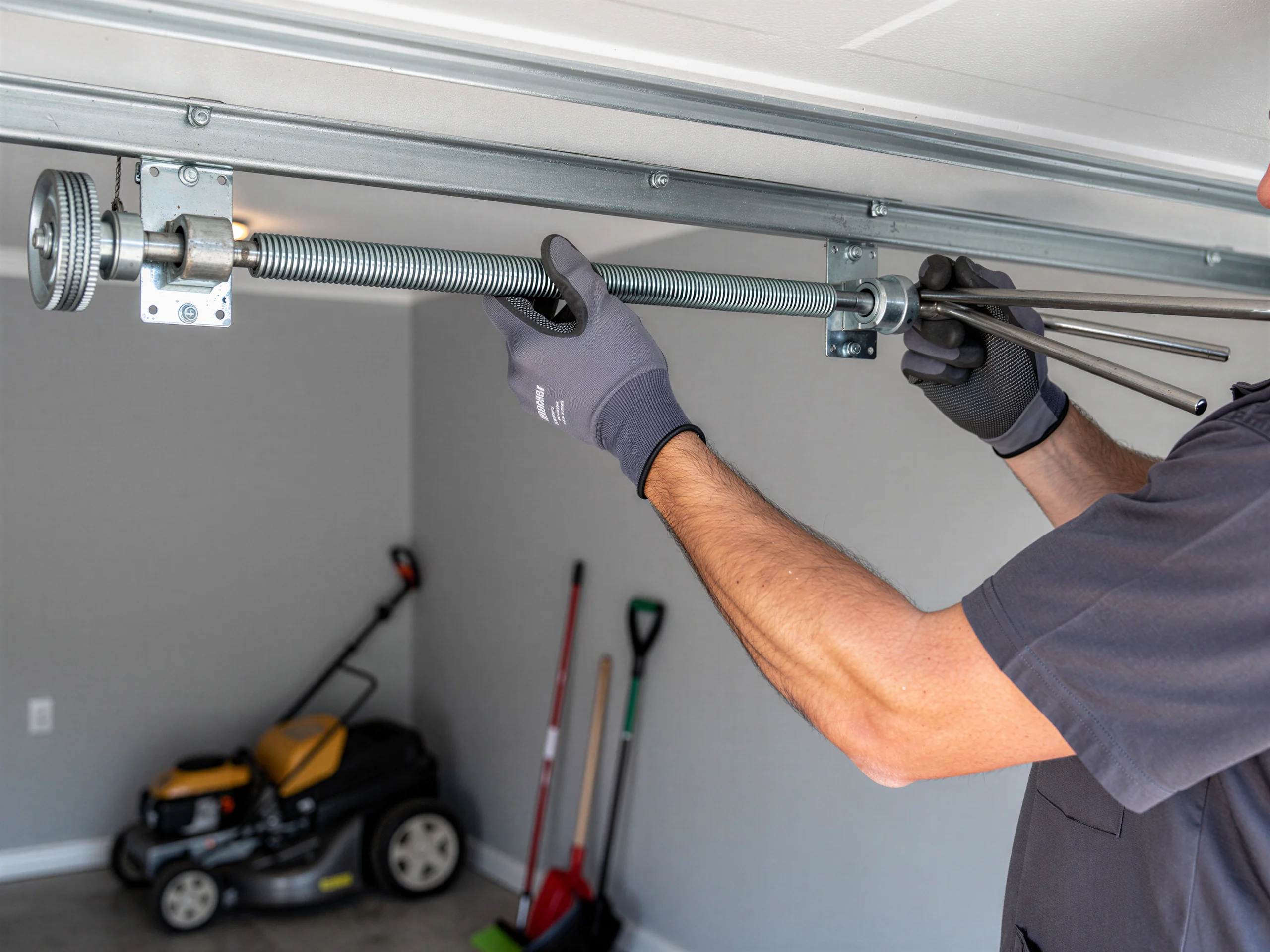
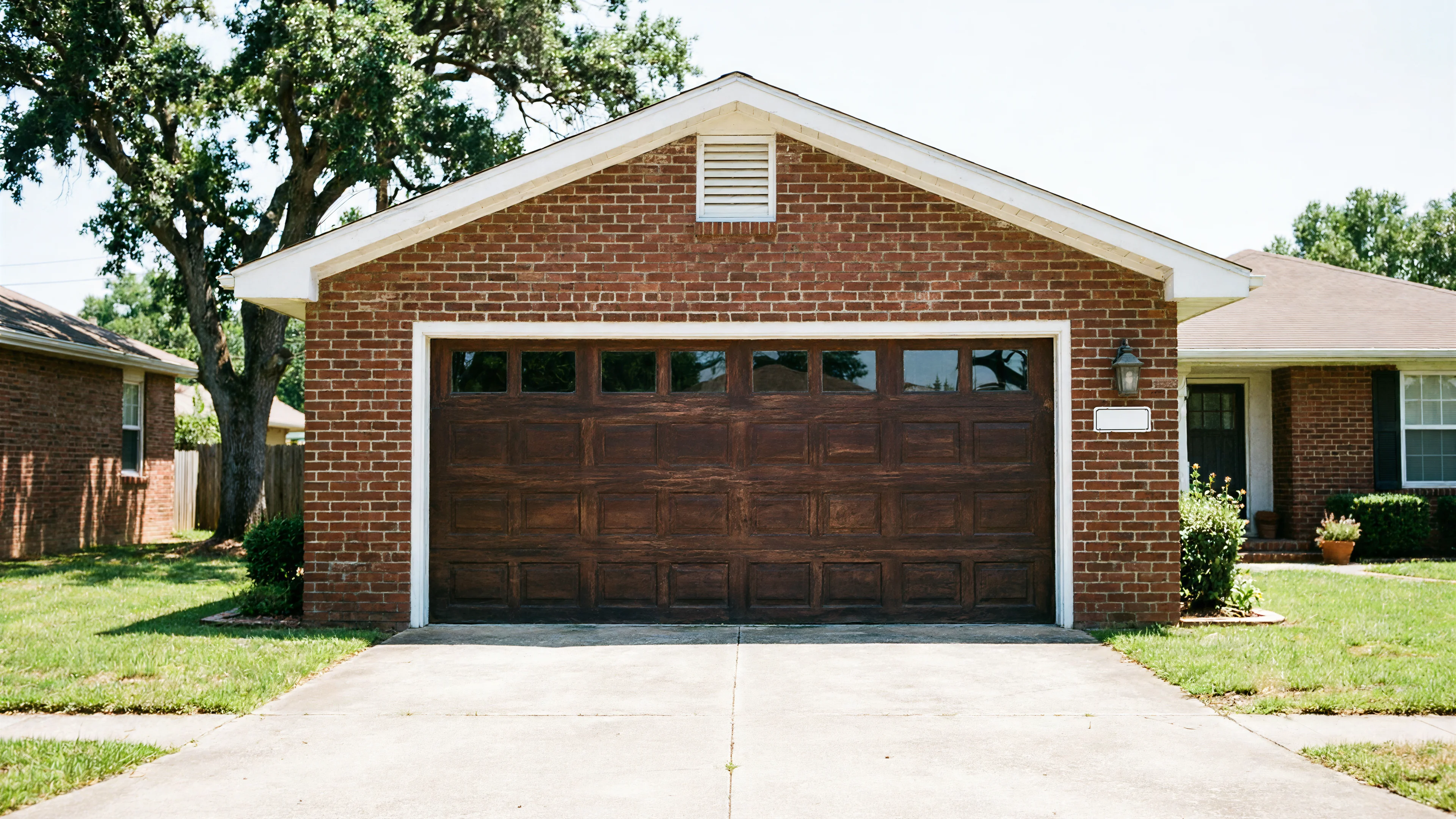
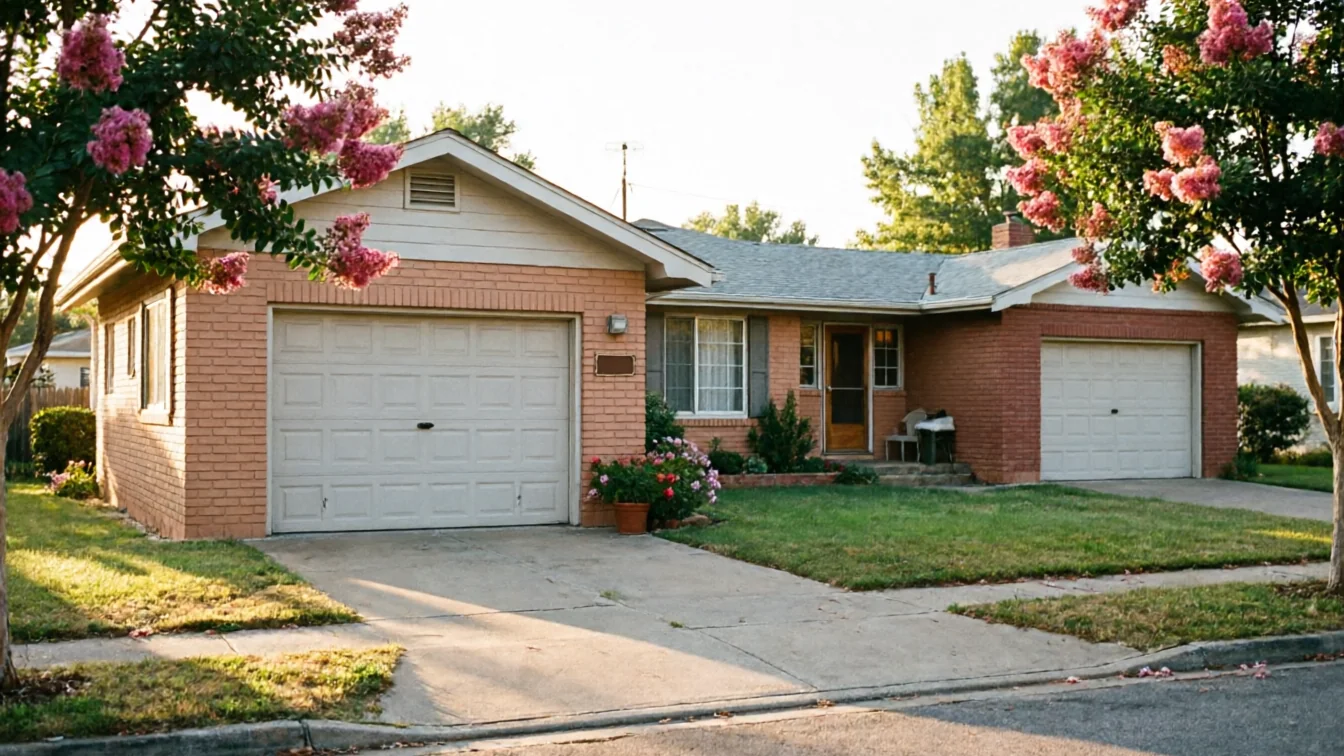
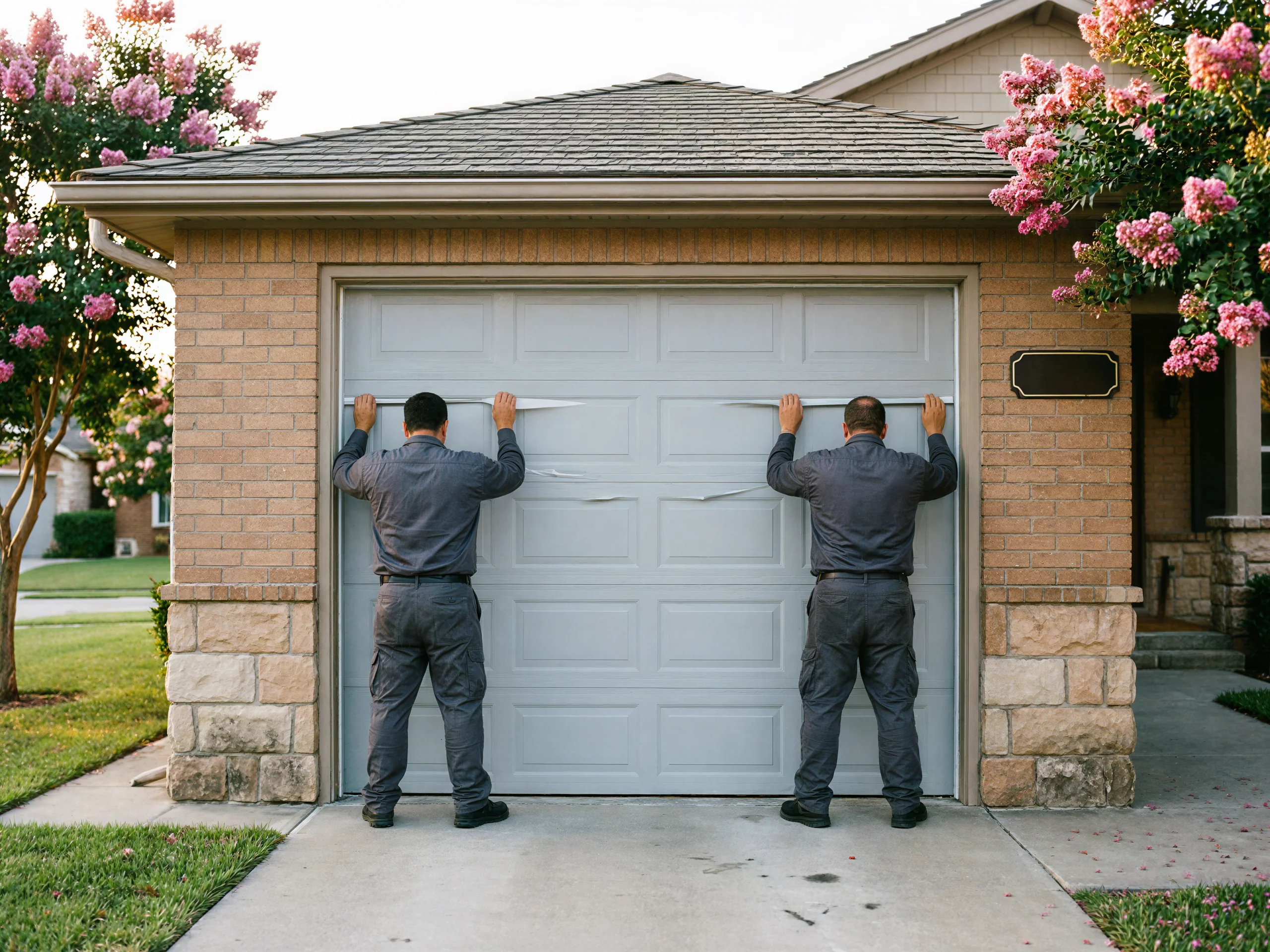
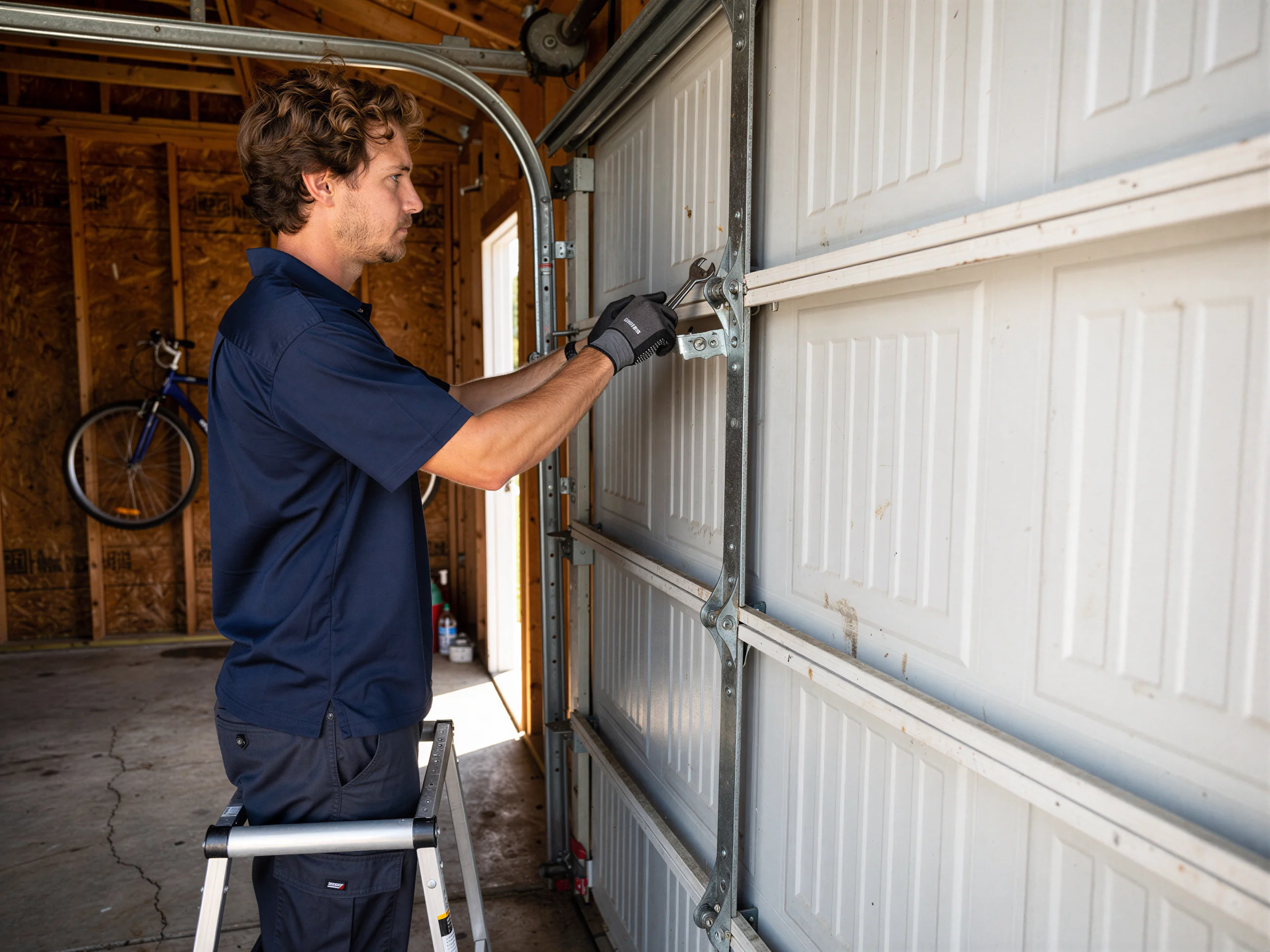
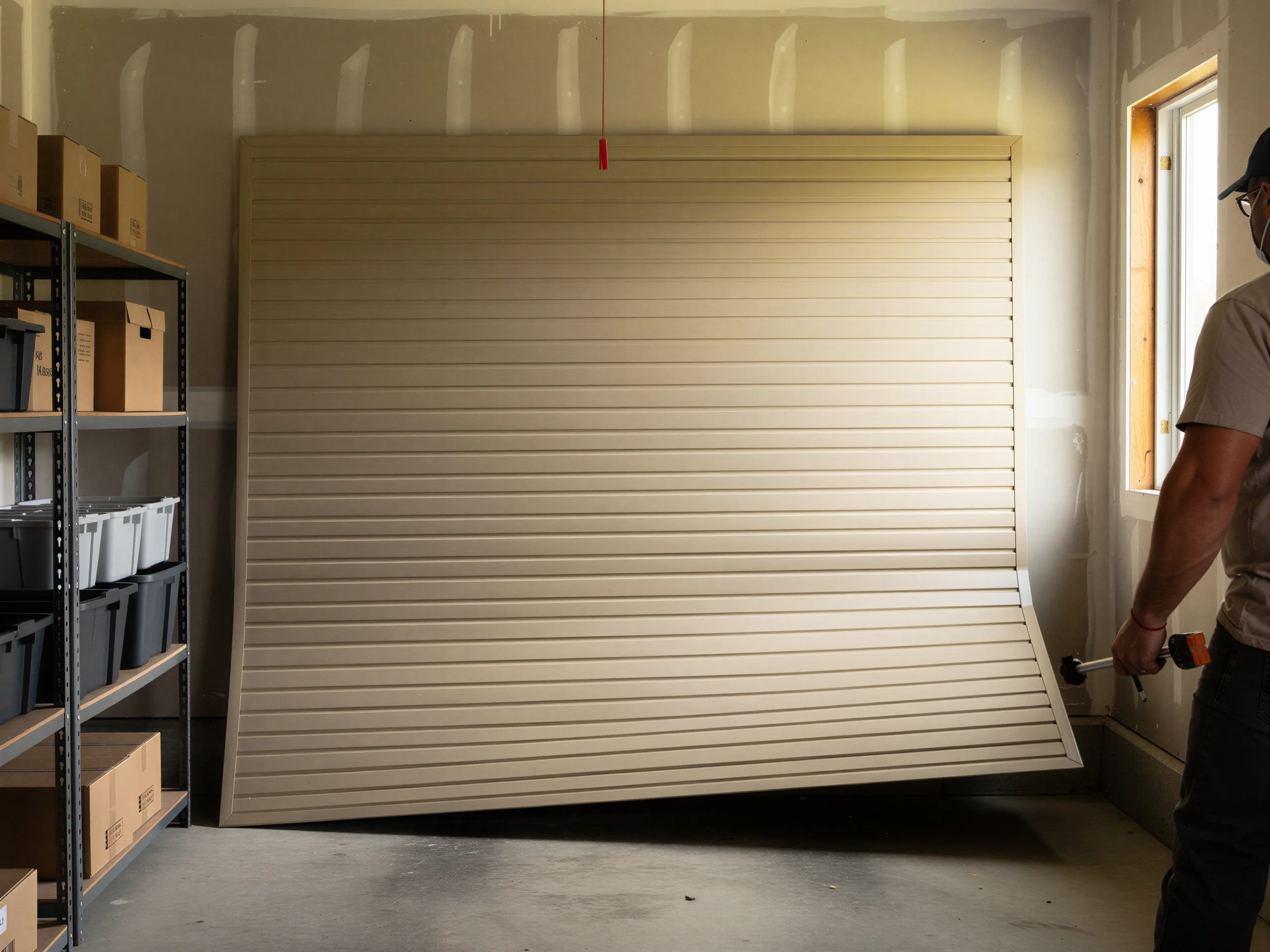
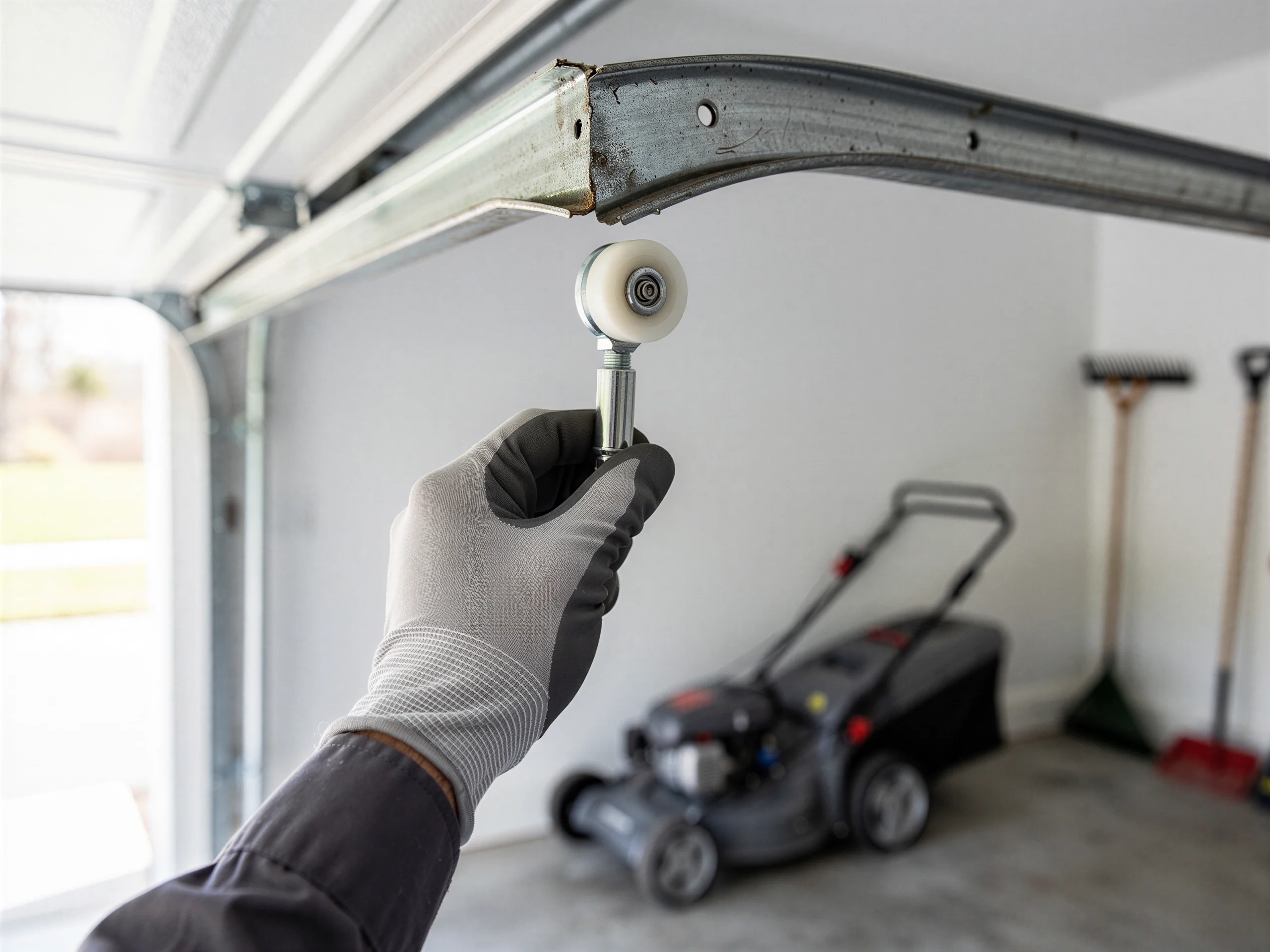
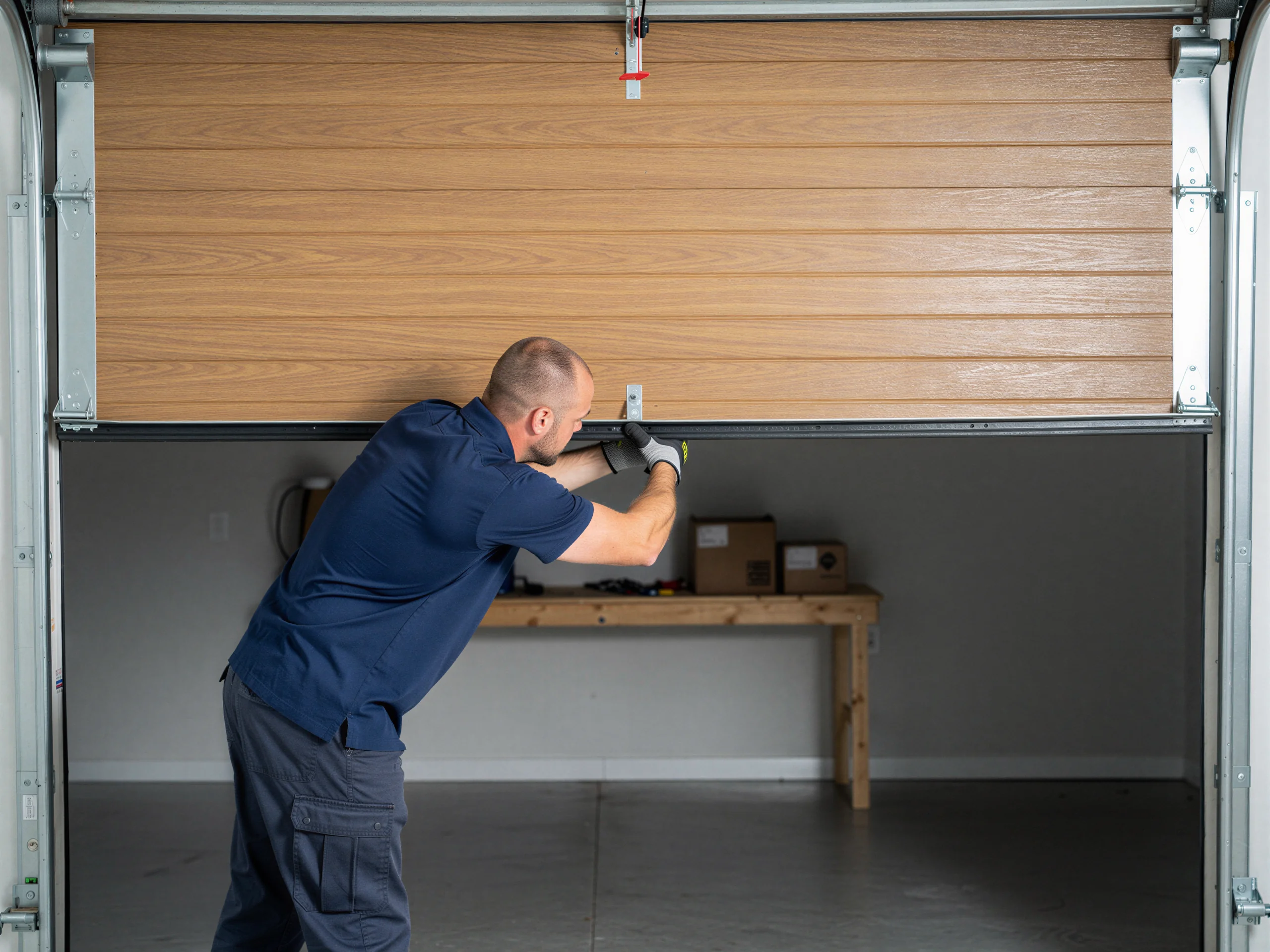
Housing in this service area runs from 1953 up through 2014, with the median build year around 1992, and most of the stock across the 30 communities we cover falls into that 1980s-90s window. That matters for springs specifically: a torsion spring has a working life measured in cycles, not years, and a door installed when a house was built in, say, 1988 has had three-plus decades of daily openings to wear that spring down. A lot of these are the original springs - nobody replaced them because the door still worked, until the day it didn't.
The climate band here is moderate heat, not the extreme swings that crack steel fast, but Texas summers still push garage temperatures high enough to dry out the lubricant on a spring's coils and accelerate metal fatigue over the life of the door. Combine a spring that's already near the end of its cycle count with a hot garage baking it every July, and failure tends to land in clusters - we see more snapped springs after a stretch of 100-degree days than at almost any other time of year. It's not one event causing it, it's thirty summers of wear catching up at once.