Stalling and split rollers
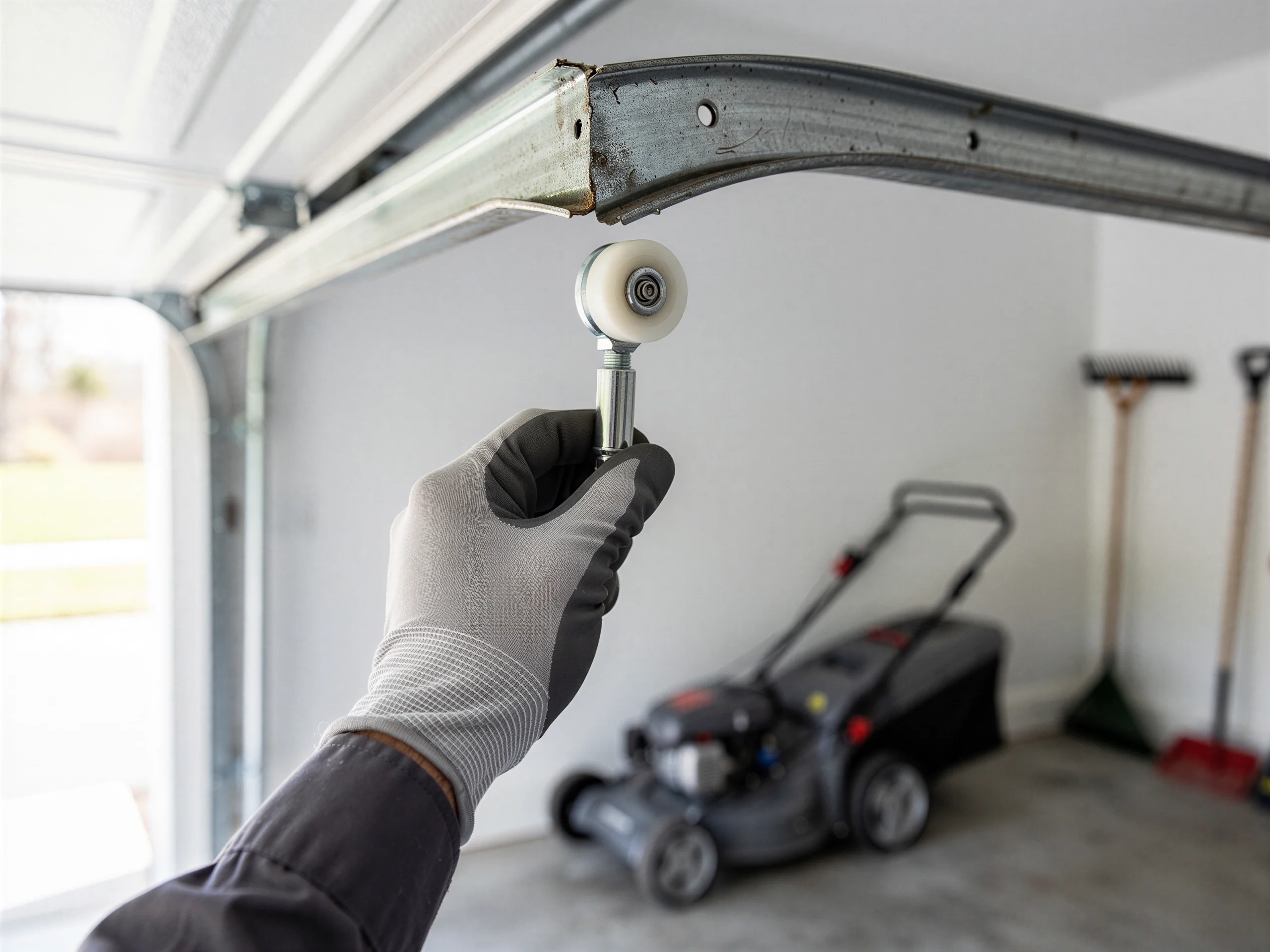
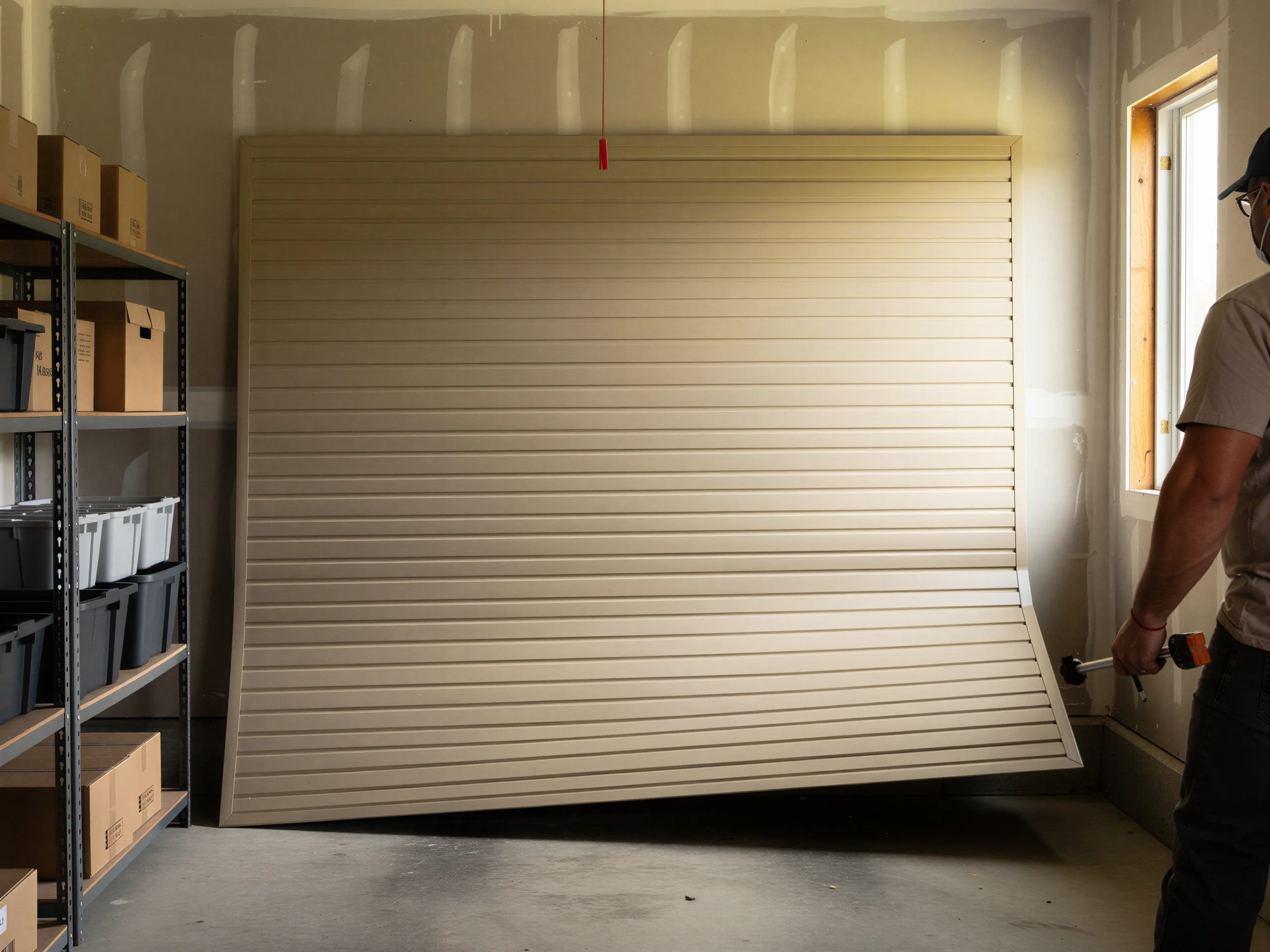
Sometimes the door stalls partway and the opener strains against it. Sometimes a roller has already split, and you can see the plastic wheel hanging loose on its stem.
North Richland Hills, TX
Noisy, jumping, or grinding garage door rollers in North Richland Hills? We replace worn nylon and steel rollers on the original tracks your home still has.
Symptoms
The door shudders instead of sliding. You hear a grinding or popping sound somewhere around the middle of the travel, and if you watch the rollers while the door moves, one or two of them wobble or hop out of the track instead of rolling smooth through it.
Sometimes the door stalls partway and the opener strains against it. Sometimes a roller has already split, and you can see the plastic wheel hanging loose on its stem.
This isn't a spring problem and it isn't usually an opener problem, though a bad roller will eventually drag both of those into the repair if you let it run long enough. The stem bends, the bracket that holds it chews up the track edge, and what started as noise turns into a door that won't move at all.
Most homeowners notice it first thing in the morning, when the rollers are cold and dry and haven't had a chance to warm up and loosen for the day. If the sound comes and goes with temperature, that's your rollers telling you they're past due.
Local causes
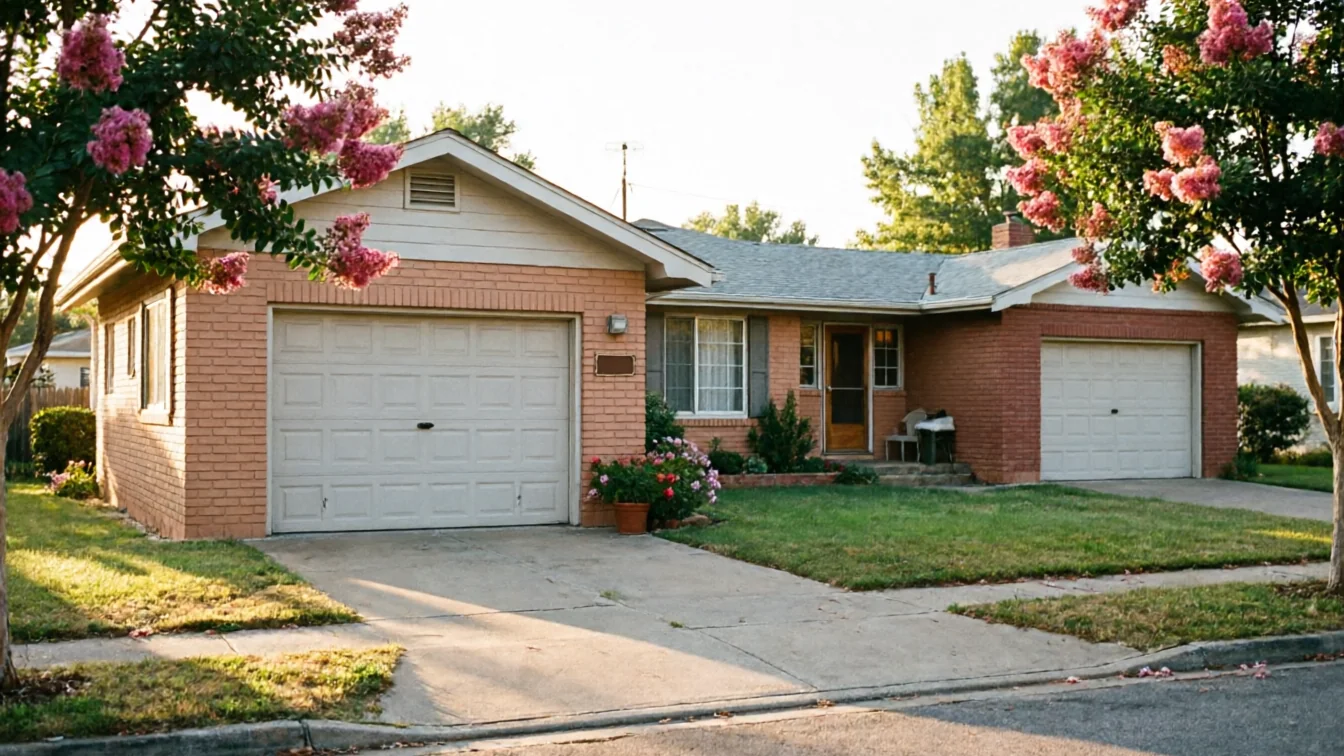
Housing in this part of North Richland Hills spans 1953 through 2014, with the bulk of the stock dating to the 1980s and 90s. A lot of those doors are still running the rollers and tracks they shipped with, or a mismatched replacement set installed sometime in the last repair. Nylon rollers have a service life, and once you're thirty-plus years out from install, wear is the rule, not the exception.
The climate band here is moderate heat, which doesn't bring the extreme swings that crack hardware outright, but it does mean steady wear from repeated expansion and contraction on steel track and roller stems through the warm months. Combine that with original 1980s-90s track alignment that's never been reset, and the rollers take the brunt of it - they're the part designed to absorb the friction, so they're the part that goes first.
Older steel rollers with exposed bearings tend to dry out and seize; the nylon rollers common in later builds wear down at the wheel and start slapping the track. Either way, the fix is specific to what's actually on your door, not a generic kit.
Our process
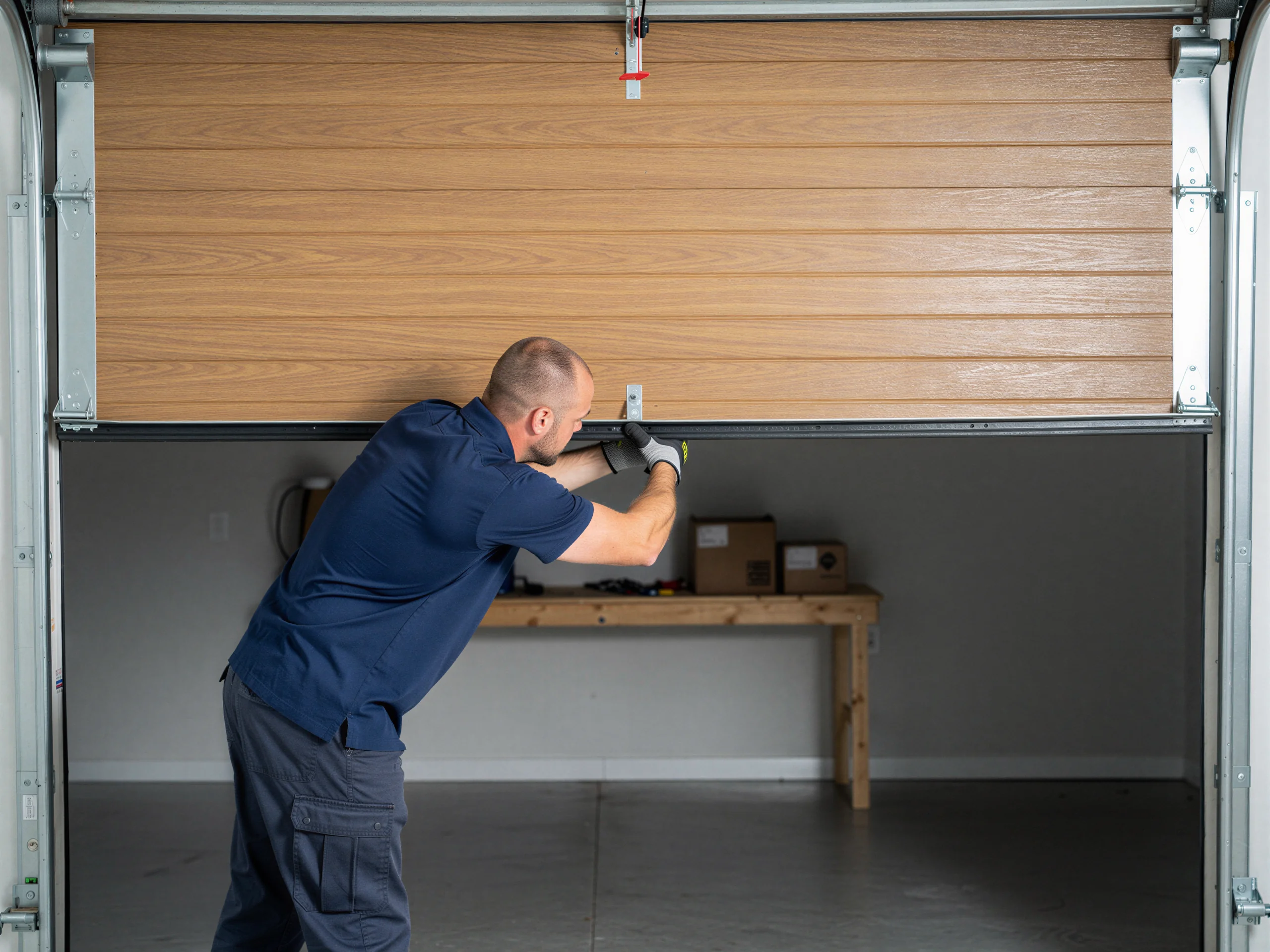
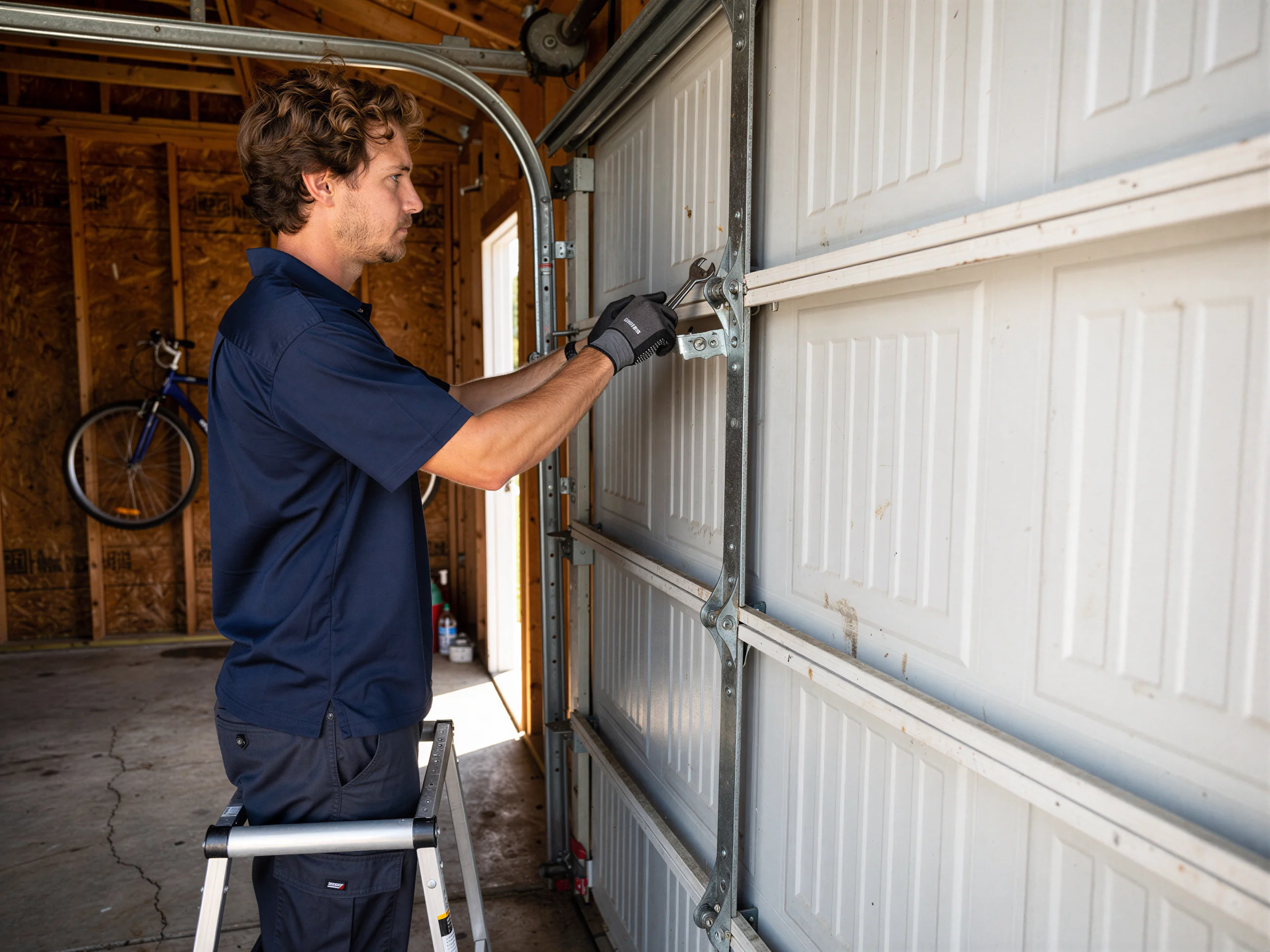
We start by running the door manually, off the opener, to feel where the drag is and watch each roller through a full cycle. That tells us whether it's one bad roller, a full worn set, or a track that's bent or out of alignment and chewing up new rollers as fast as you put them in.
If the rollers are the whole problem, we pull the old ones and set new ones matched to your track - 7-ball or 10-ball bearing steel rollers for daily use, or sealed nylon where quiet operation matters more than load capacity. We check stem length and bracket condition on the way, because a worn bracket will wreck a good roller in a season.
If the track itself has a bend or a splayed section from an old roller failure, we true it up on the spot where we can; if the track is bent beyond a safe repair, we'll tell you that straight instead of forcing new rollers into bad rail.
One honest limit here: we don't stock every roller gauge and stem length for every track profile on the truck, so if your door takes an unusual size, there may be a short order wait before we finish the job.
On the truck
We carry the roller types that cover the housing stock actually built out here - 1980s and 90s era doors make up most of the calls, so steel ball-bearing rollers in common stem lengths and standard sealed nylon rollers are stocked in quantity, not special-ordered. We also carry replacement roller brackets, since a cracked or bent bracket is often what took the roller out in the first place, and track sections for the common widths used across homes from that build era.
We stock enough to do a full 10-roller swap on one visit in most cases. Where a home's track or roller spec falls outside the common range - older original hardware from the 1950s-70s end of the housing range, or an upgraded heavy door needing a less common gauge - we'll confirm the part and get it scheduled rather than guess and leave you with a mismatch.
Questions
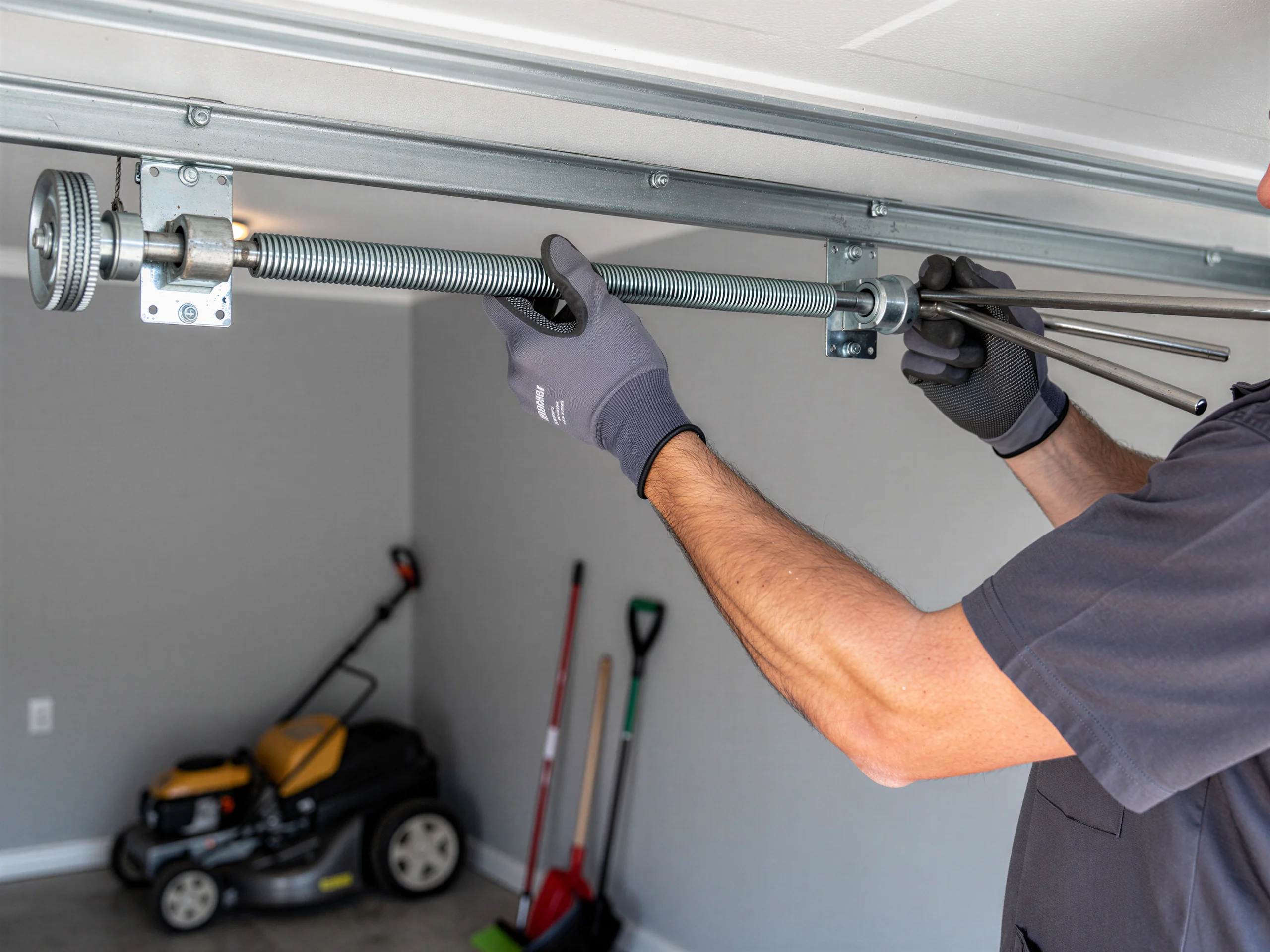
Springs usually show up as a door that's heavy to lift or won't stay open. Rollers show up as noise and wobble during travel, usually worse in one section of track. If the door moves but sounds rough or jumps, start with the rollers.
If the rest are original hardware from the same install and showing similar wear, we'll usually recommend doing the full set at once - it's not much more labor than doing two or three, and it means you're not back out here again in six months for the next one.
Often yes, if the rollers were the main source of the noise. If the track is bent or the hinges are worn too, you may still hear some sound after the roller swap - we'll flag that during the inspection so there are no surprises.
Explore more
Ready when you are
North Richland Hills Garage Door Co repairs and installs garage doors, springs and openers in North Richland Hills, TX and the surrounding area.