
Uncommon spring size wait
Where it stretches out is when the inspection turns up a spring or cable that needs replacing and the size isn't something carried as a standard stock item.
Richland Hills, North Richland Hills
Richland Hills homes mostly date to 1959, older than most of the area. We handle spring, track, and opener upkeep, traveling in from North Richland Hills.
Symptoms
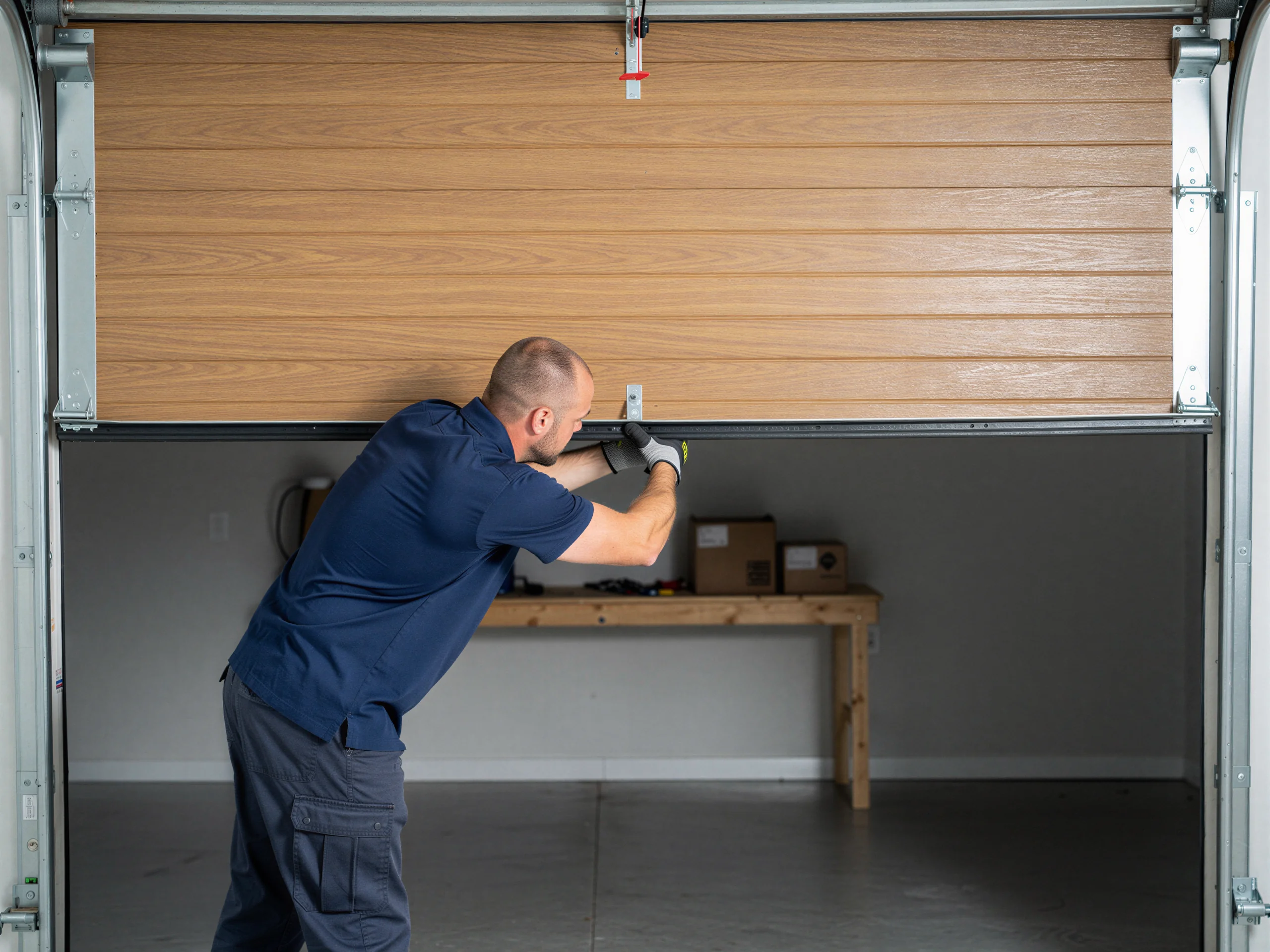
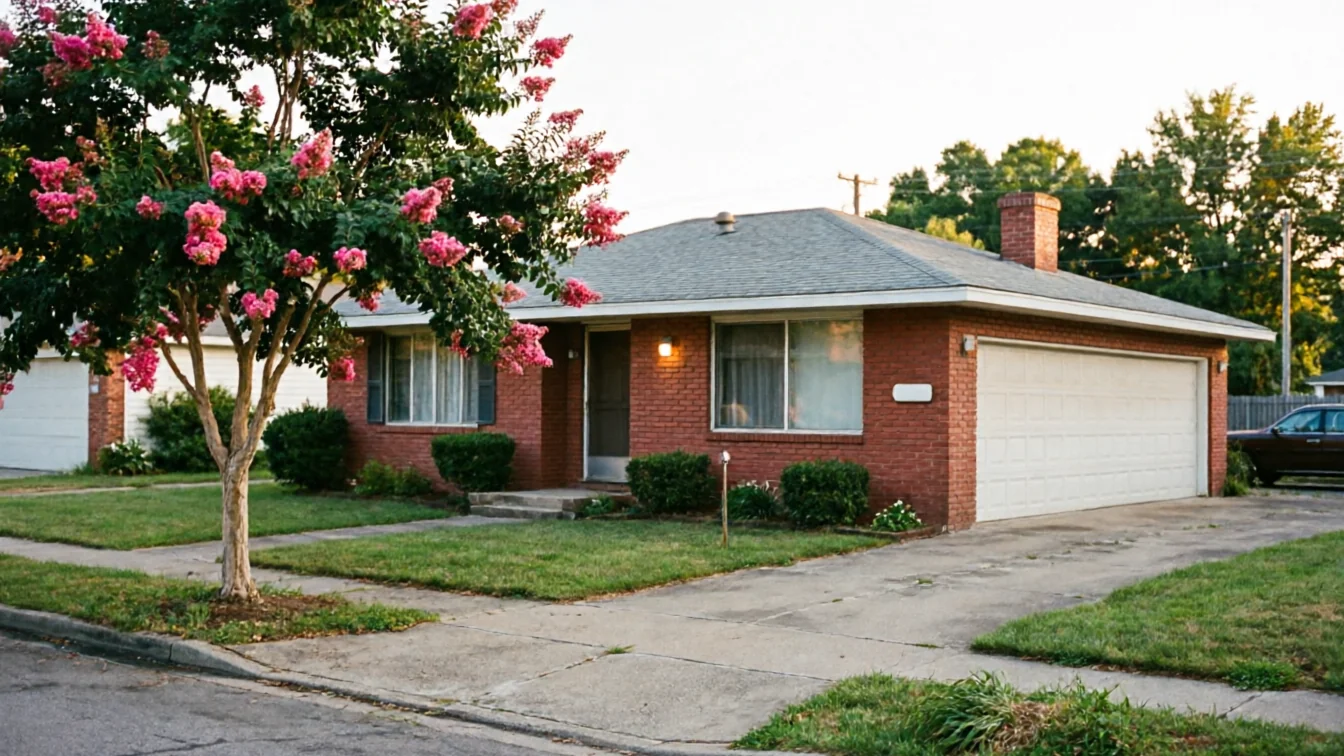
Richland Hills is small - about 3,156 households, sitting just 4 miles from North Richland Hills itself. That size matters for what shows up on a service call: it isn't thirty subdivisions built by thirty different developers, it's a tighter run of construction centered around 1959, well ahead of the 1980s-90s stock that fills most of the rest of our service area. A door from that era usually runs on an older torsion or extension setup, heavier gauge steel sections, and track hardware that's been repainted more than once. What we hear from homes on this side of town: a door that slams the last foot of travel instead of settling into place, a spring sagging visibly on one side while the other still looks taut, rollers worn oval instead of round. None of it is strange. It's what happens when a door built before lift-assist springs and auto-reverse sensors were standard keeps running on its original hardware for six decades, sometimes upgraded piecemeal and sometimes not touched at all.
Our process
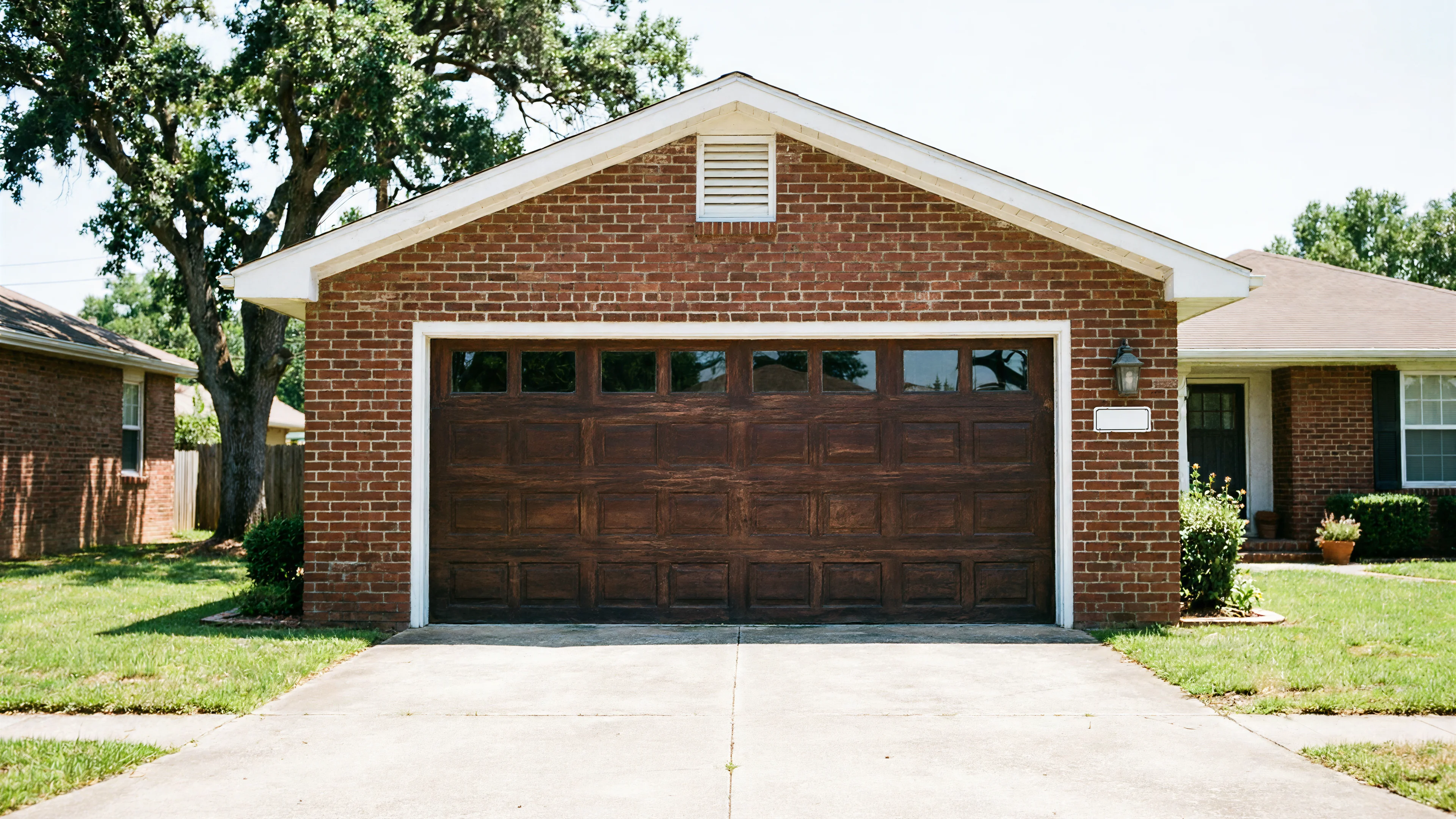
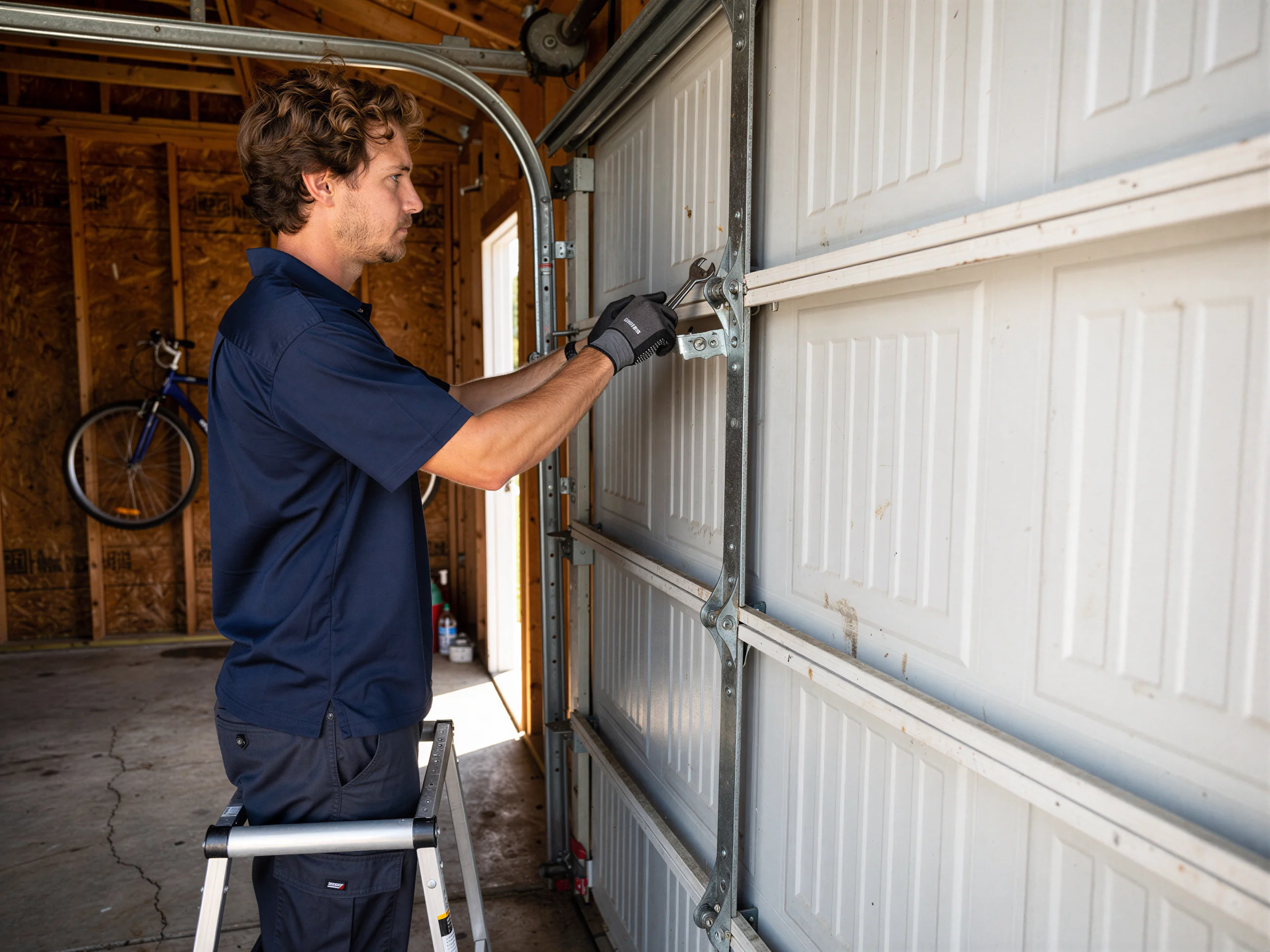
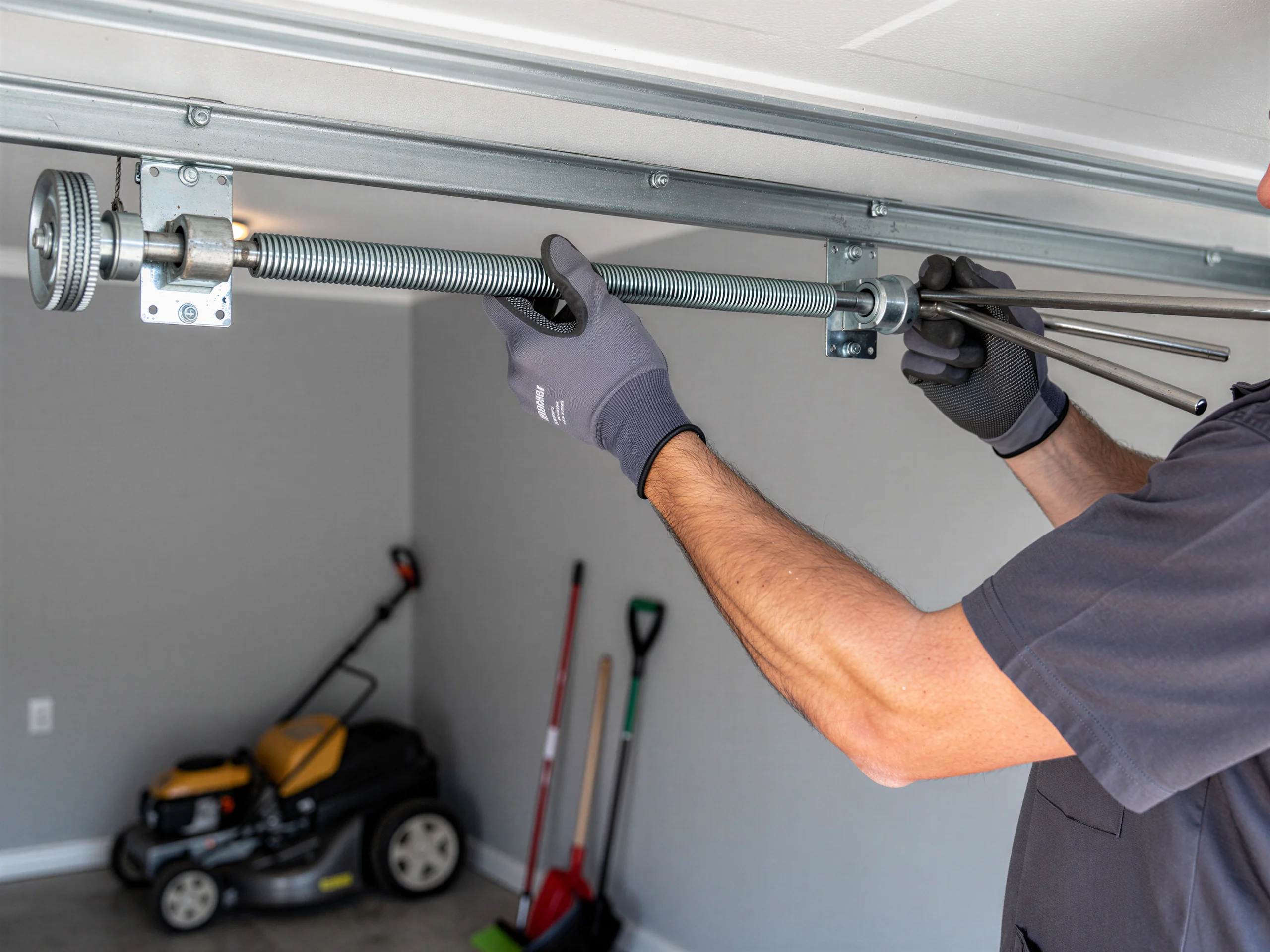
We start at the spring, because a torsion or extension spring that's never been re-tensioned on a house this old is either close to failing or already dragging the opener motor.
We check winding and balance first, then the track - a two-piece or adjustable track on original jamb brackets needs a level check, not just a squirt of lubricant.
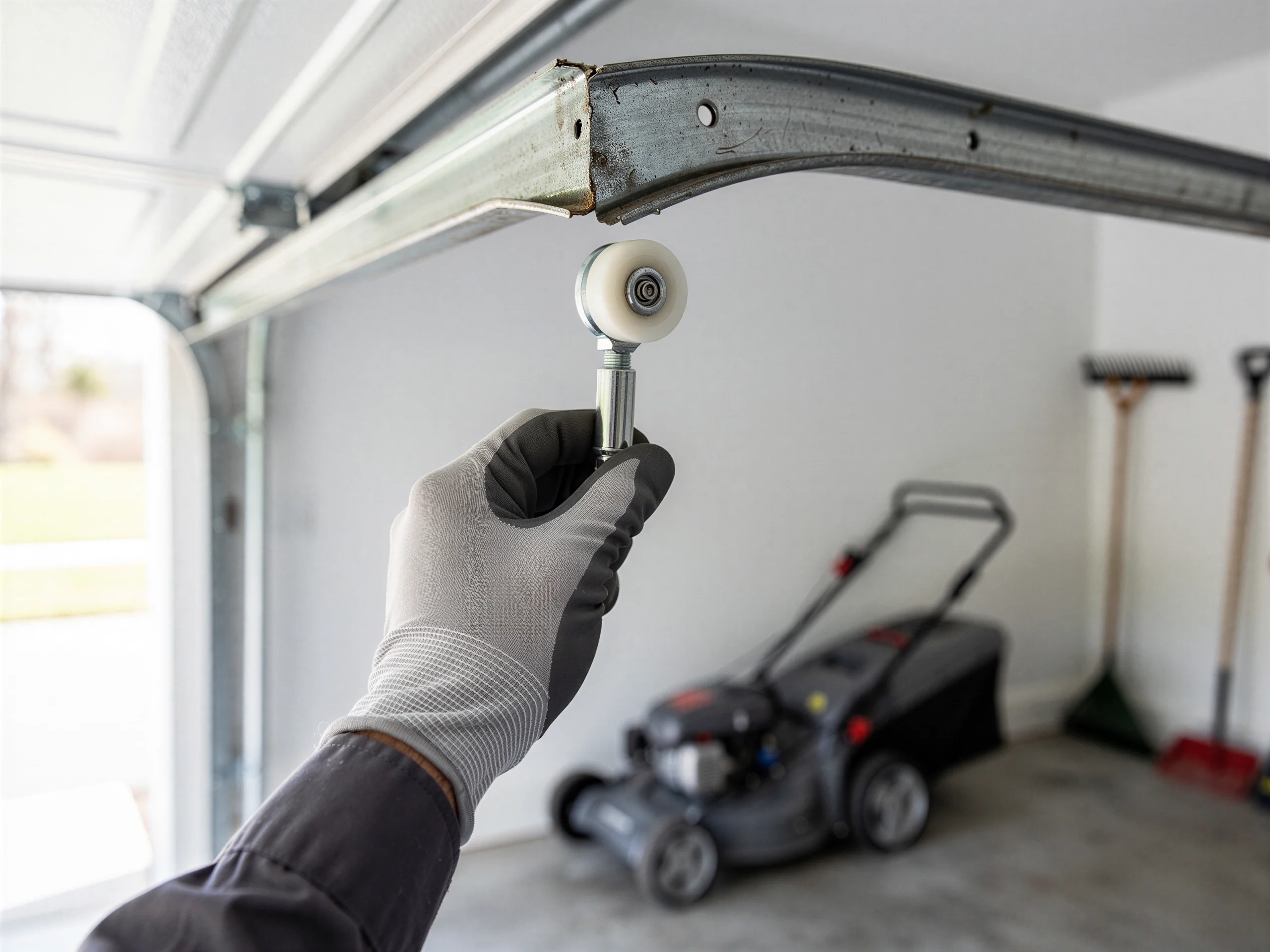
Rollers worn to an oval shape get replaced rather than regreased, since regreasing a worn roller just masks a noise that comes back in a month. Cables get checked at both drums for fraying, which matters more on houses here that still run an older extension-spring configuration instead of a center torsion bar.
With median household income in Richland Hills at $67,628, well under the $107,916 median across our broader service area, most of the calls we get here are about keeping a door running rather than swapping it for new - so we're honest when a repair buys another few years versus when the opener or springs are worn enough that further patching isn't worth the labor cost.
DIY or pro
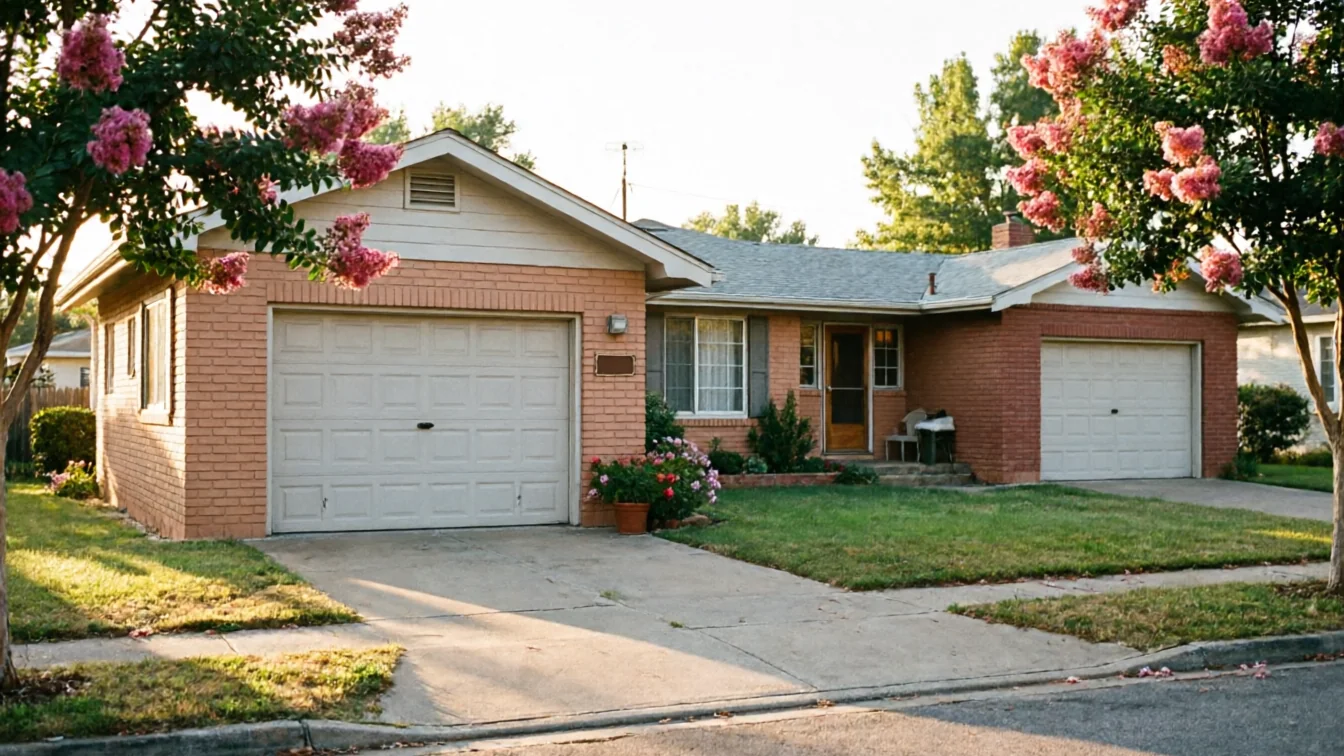
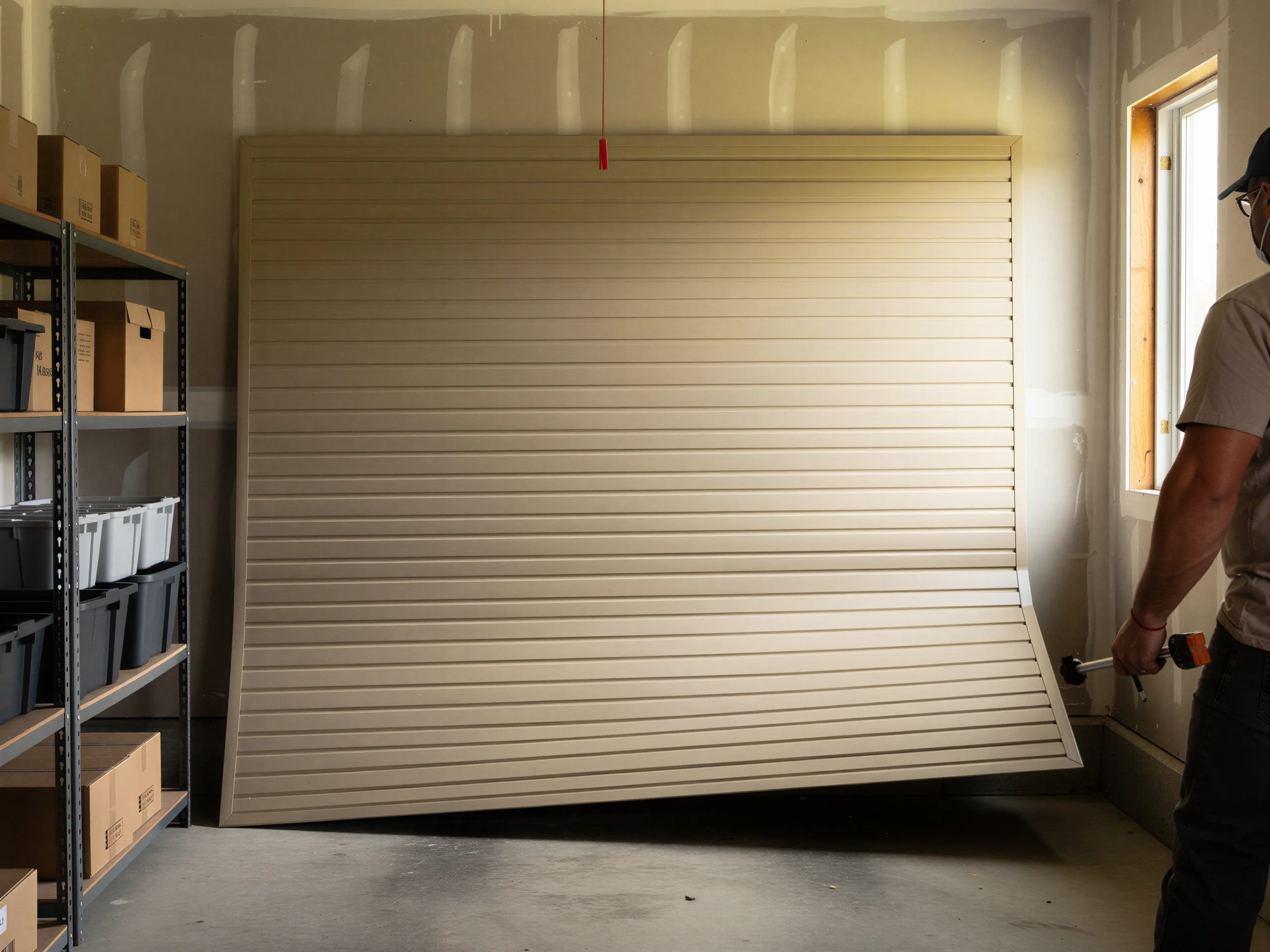
Some of this is safe to check yourself. Look at the cables near both bottom brackets for fraying or rust - if a strand is popped, stop and call, don't operate the door. Test the auto-reverse by laying a 2x4 flat on the floor under the door and closing it; it should reverse on contact. Check balance by pulling the release cord and lifting the door by hand to waist height - it should hold there on its own, not drop or shoot up. What we don't recommend doing yourself: adjusting torsion spring tension, especially on the older extension-spring setups common in houses built around 1959 here. Those springs store enough force to cause real injury, and the brackets on a decades-old installation aren't always in the condition you'd assume from the outside.
Booking
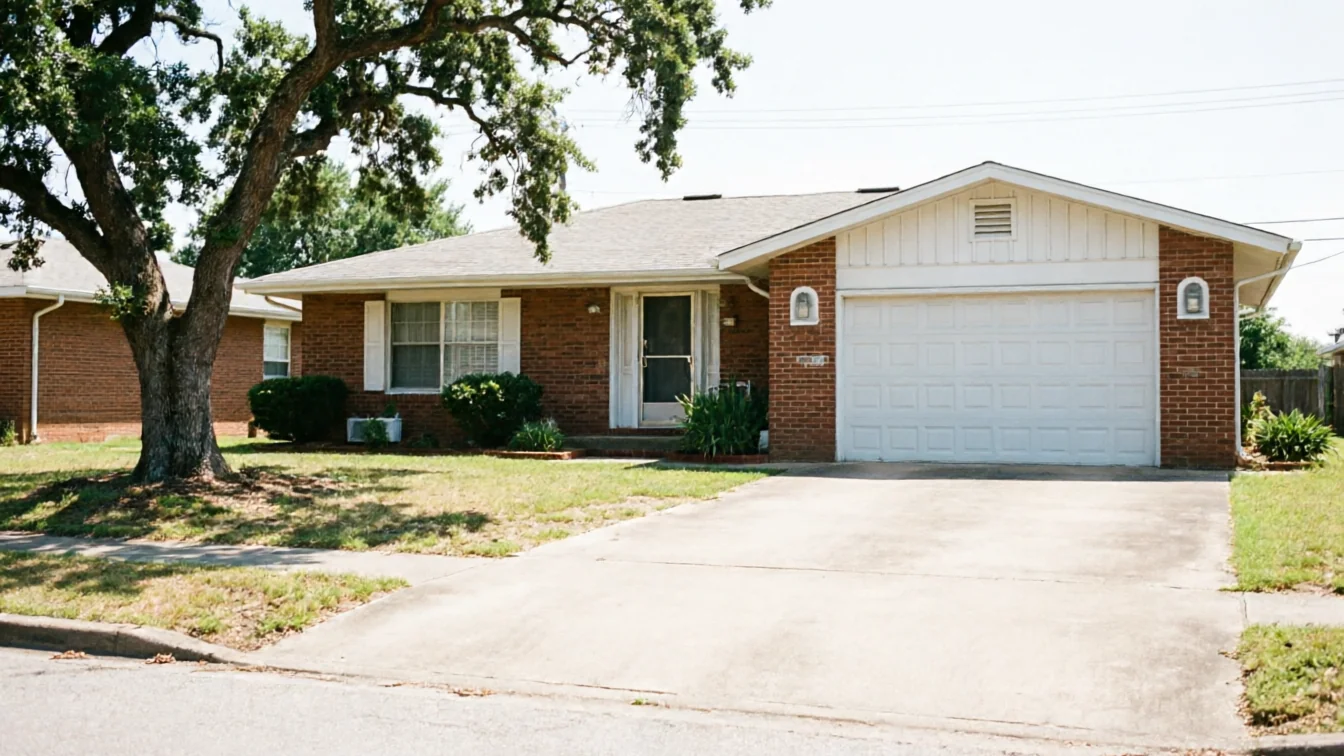
There's no branch office in Richland Hills - we run the 4 miles out from North Richland Hills for every call here, same as we do for the rest of the service area. Booking a maintenance visit works the same way it would from anywhere nearby: you tell us what the door is doing, we ask a few questions about the opener and spring type if you know them, and we get a visit on the schedule. You can see which other nearby areas we cover from the <a href="/areas/area/richland-hills/">Richland Hills area page</a>, and the full rundown of maintenance work we do across the service area is on the <a href="/garage-door-maintenance-north-richland-hills-tx">North Richland Hills maintenance page</a>.
Downtime
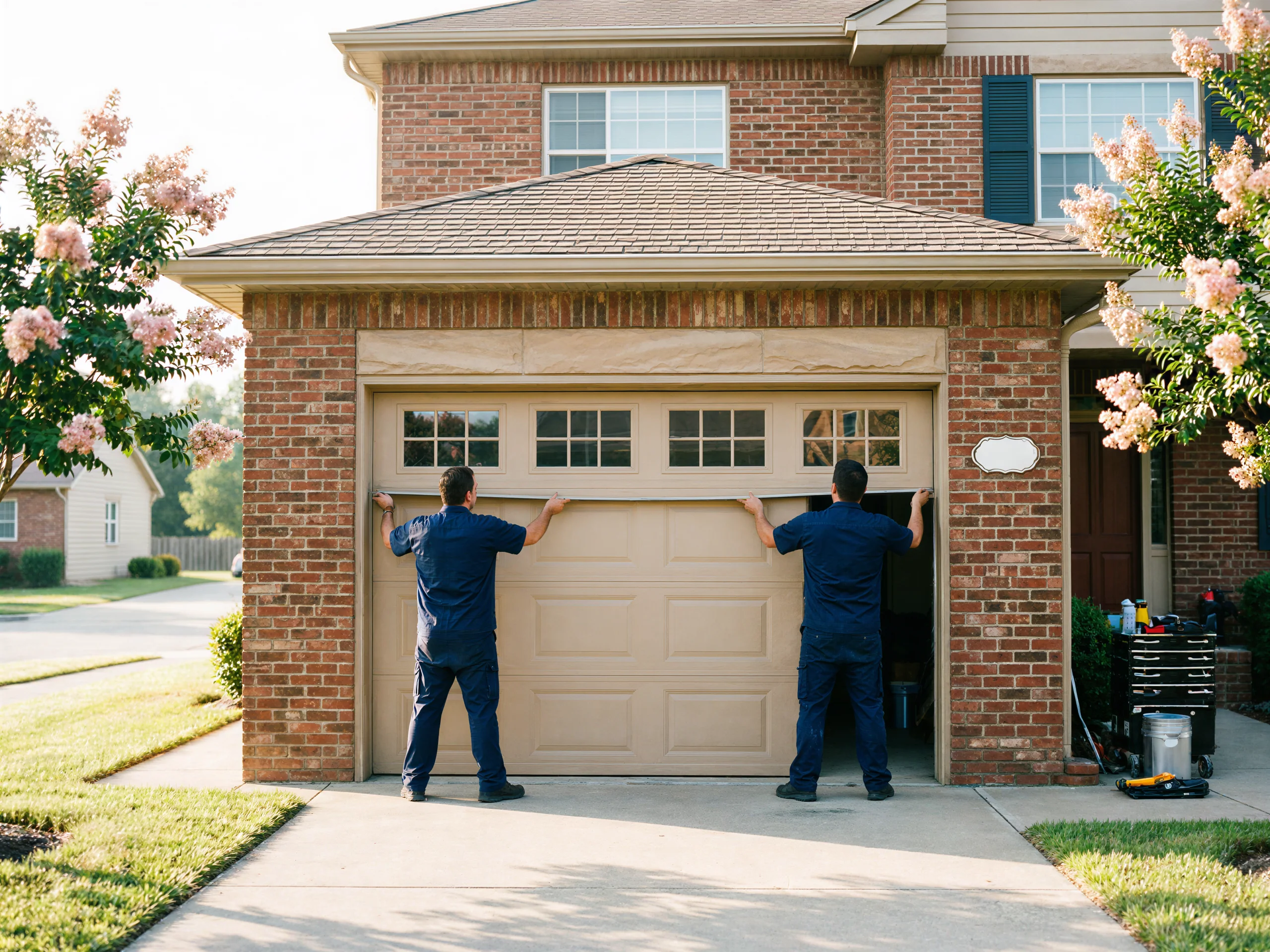
A standard maintenance visit - lubrication, balance check, roller and cable inspection, sensor test - finishes in one trip and you're not without the door at all.
Where it stretches out is when the inspection turns up a spring or cable that needs replacing and the size isn't something carried as a standard stock item.
Torsion springs matched to the weight of a heavier, older 1959-era door aren't always the same size we'd pull for a lighter modern door, and if the one we need isn't on the truck, there's a short wait on the part rather than a same-day fix. We'll tell you on the spot whether that's the case so you're not left guessing how long the door sits unusable.
On the truck
For maintenance work in a neighborhood like this, the truck carries lubricant rated for the steel tracks and hinges common on older doors, replacement rollers in both nylon and steel, lift cables, and a range of torsion springs sized to cover both the lighter doors from the 1980s-90s stock that's typical across most of our area and the heavier sections found on houses built closer to 1959. We also carry basic hardware - hinges, end bearings, center bearing plates - since repainted, decades-old brackets sometimes need a fastener replaced along with whatever brought us out. What we don't carry for every job is a custom panel section matched to an obsolete door design; if a section is cracked or bent beyond what a repair kit fixes, that's a conversation about replacement, not a part we pull off the shelf that day.
Questions
Housing in Richland Hills mostly dates to around 1959, which puts a lot of the original garage door hardware - tracks, springs, and sometimes the doors themselves - well ahead of the 1980s-90s stock typical across the rest of our service area. That older hardware tends to need more frequent spring and roller attention.
No. We operate out of North Richland Hills, about 4 miles away, and travel in for every call in Richland Hills. There's no separate depot or crew based in the town itself.
It depends on the door's condition beyond the spring. Given that median household income here runs below the broader service area, we try to be upfront when a spring or cable repair will genuinely extend the door's life versus when the opener, track, and panels are all near the end and a repair is just delaying a bigger job.
Yes - lubricating the rollers and hinges, checking cables for fraying, and testing the auto-reverse with a 2x4 are all safe for an owner to do. Adjusting spring tension yourself isn't something we recommend, particularly on the older extension-spring setups still common on houses built around 1959.
Explore more
Ready when you are
North Richland Hills Garage Door Co repairs and installs garage doors, springs and openers in North Richland Hills, TX and the surrounding area.