Cable and drum wear
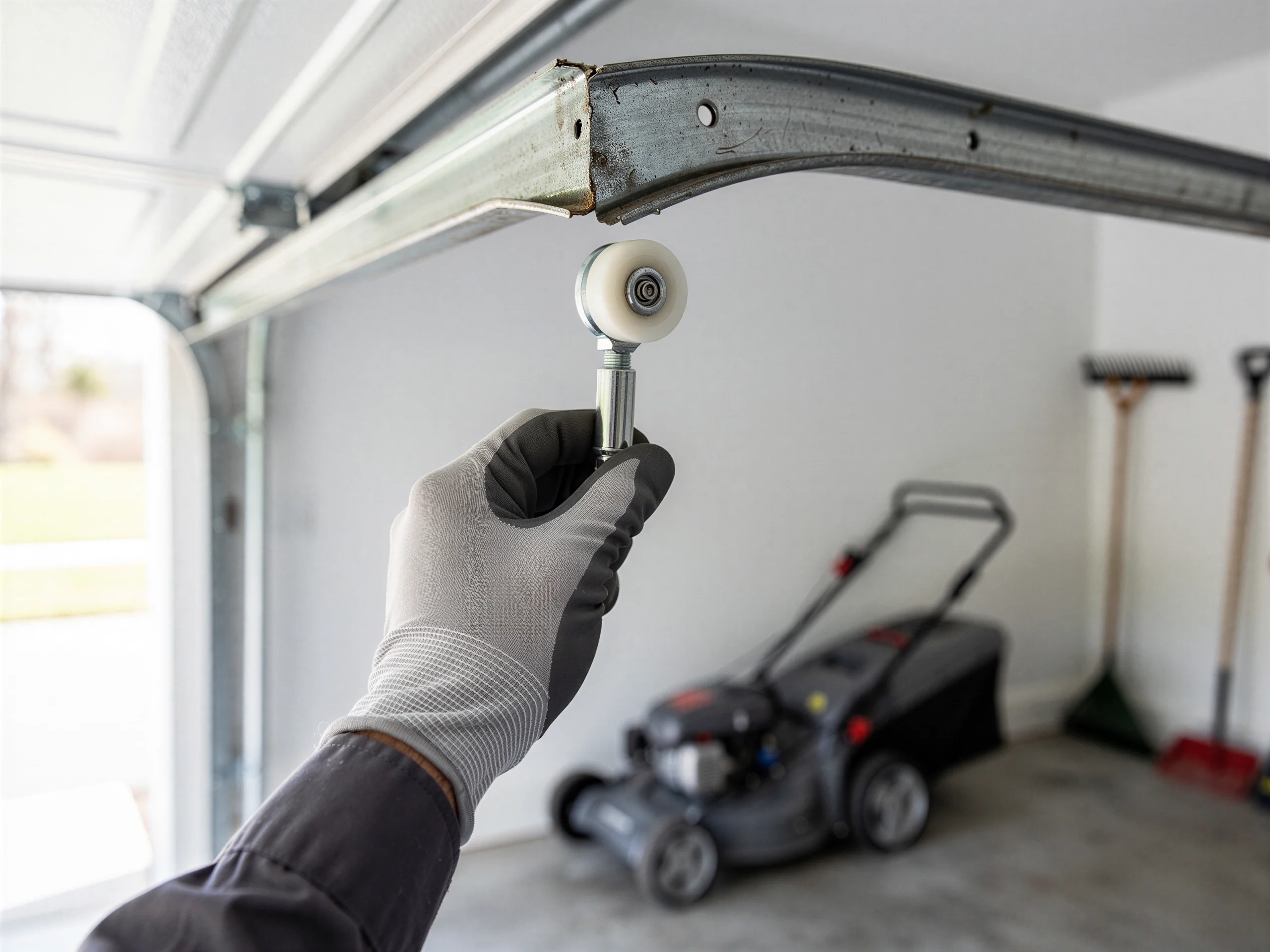
That's a $400 mistake chasing a $200 fix. The other place this goes wrong is cable and drum wear on doors from the late '90s and early 2000s that have never had a tune-up.
Keller, North Richland Hills
Keller homes mostly went up after 1999, so the failures run to tired torsion springs and worn opener logic boards, not the older hardware found closer to North Richland Hills.
Local causes
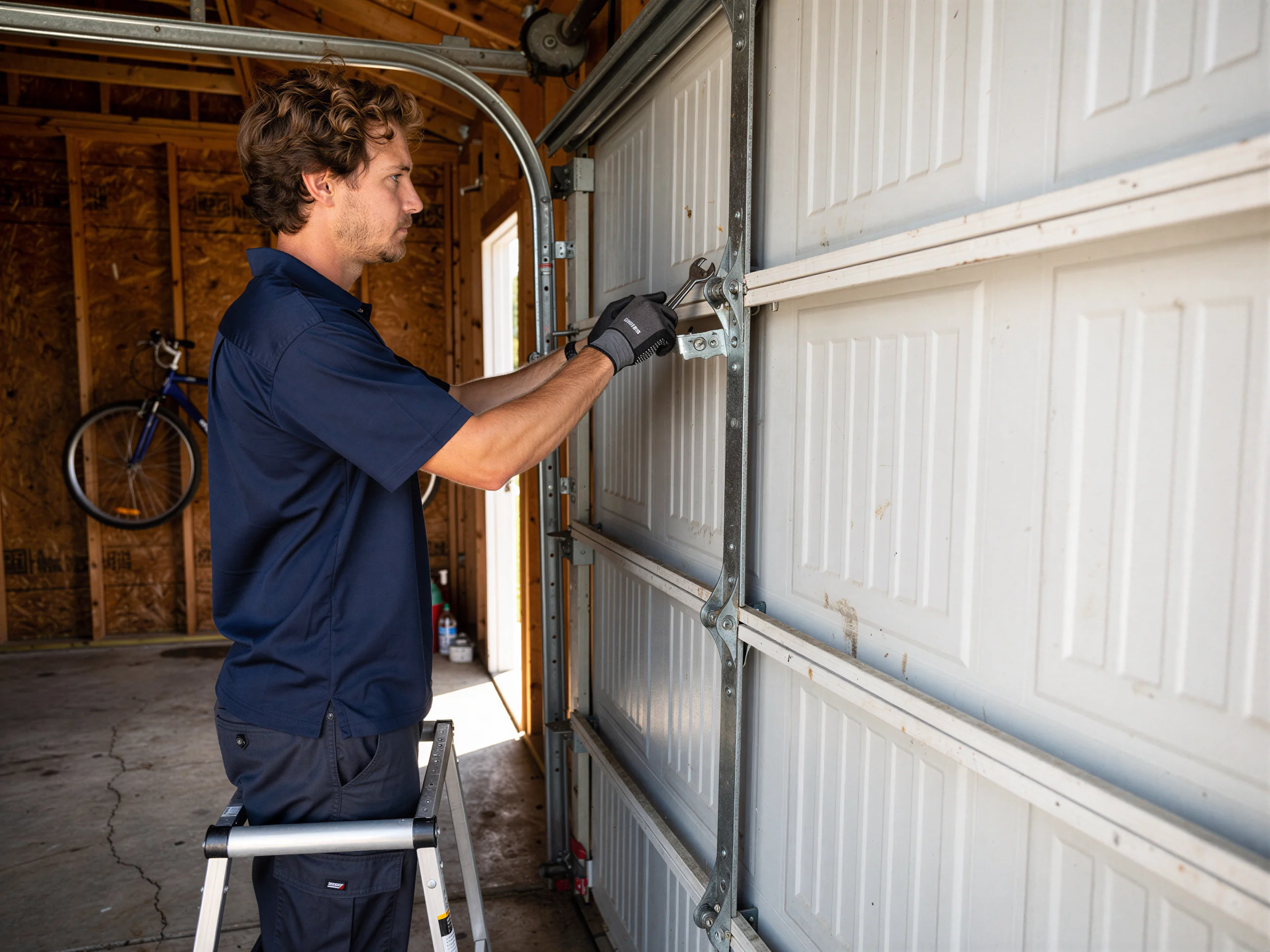
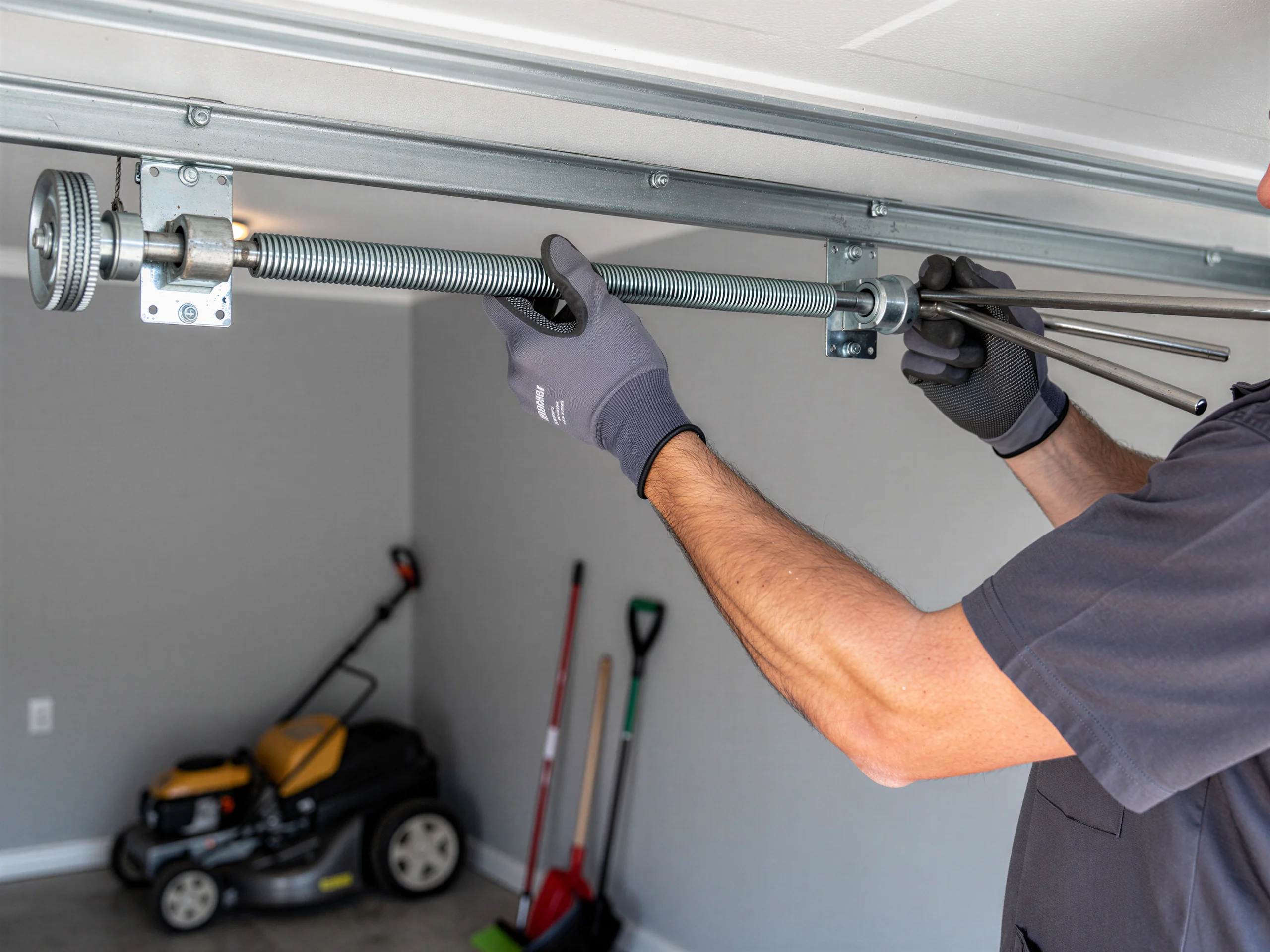
Keller's housing stock is younger than a lot of what we see closer to North Richland Hills - the median build year here is 1999, which means most garages were framed with steel sectional doors on torsion springs from the start, not the older extension-spring setups you find in 1960s and 1970s construction. That's good news in one way: the hardware is more standardized, parts are easier to match. But a door built in 1999 is now pushing 25 years old, and torsion springs are rated in cycles, not years. A spring that's done 10,000 open-and-close cycles on a double door is near the end of its rated life whether the house is new or old. We're seeing a wave of Keller doors hitting that wall now, and it shows up as a spring that just lets go, usually on a cold morning when the steel is stiffest.
Openers from that era are a second pattern. Mid-to-late '90s and early 2000s openers often ran on logic boards without the rolling-code security or the diagnostic LEDs you get on anything made in the last ten years. When one of those boards fails, it doesn't throw a clear error - the door just stops responding, or reverses for no visible reason. That's a different repair than a spring job, and it's worth knowing which one you're dealing with before anyone shows up.
Watch-outs
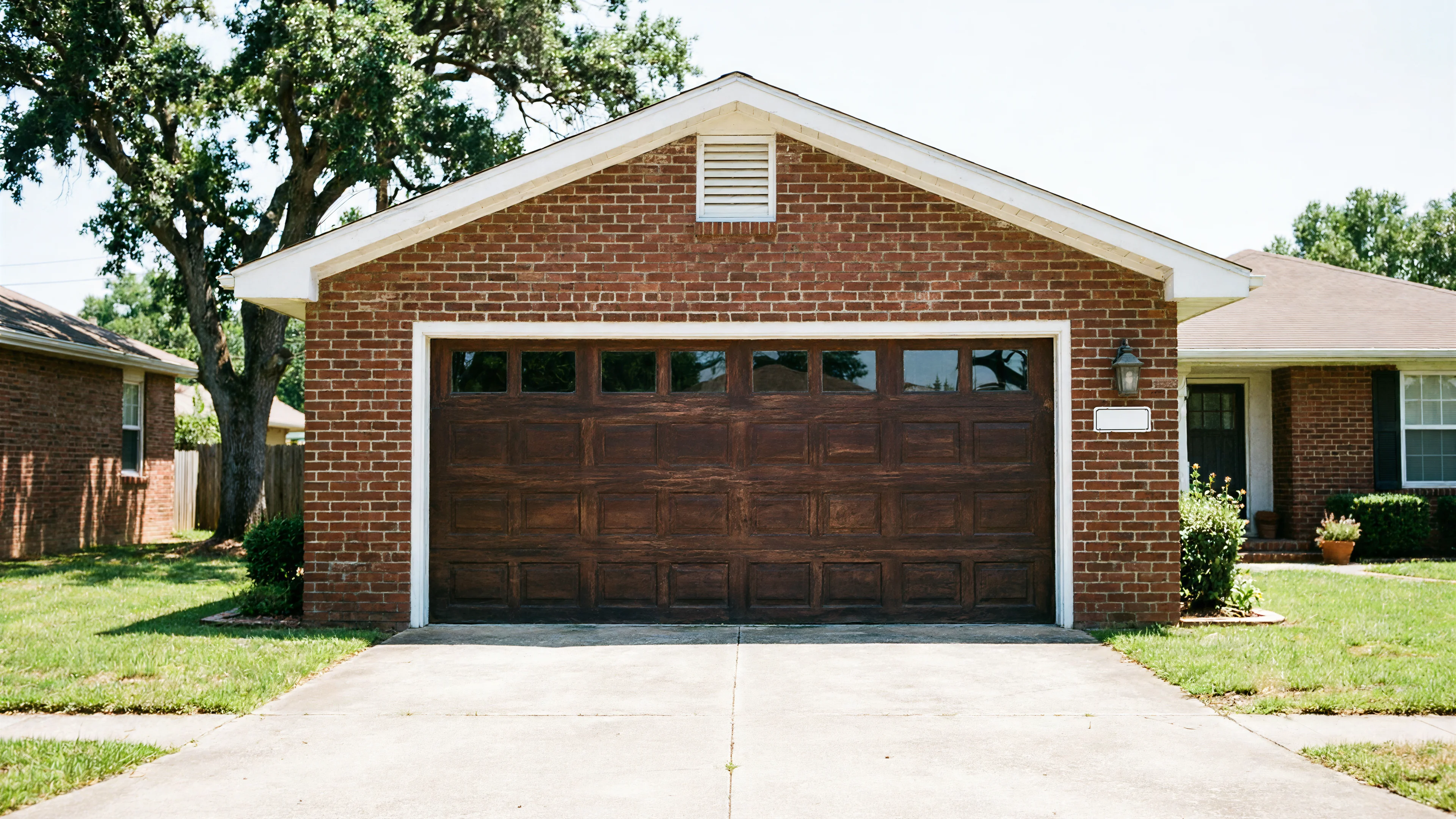
The job goes sideways when someone treats a spring problem as an opener problem, or the reverse. A door that won't lift and an opener that hums but doesn't move the door look similar from the kitchen, but they're not the same repair - one is a broken torsion spring, the other is a motor or gear problem, and trying to force the opener to lift a door with a dead spring usually burns out the motor.
That's a $400 mistake chasing a $200 fix. The other place this goes wrong is cable and drum wear on doors from the late '90s and early 2000s that have never had a tune-up.
The cables on a 20-plus-year-old door stretch and fray slowly, and they usually don't announce themselves until one strand lets go under tension - at which point the door can drop unevenly on one side.
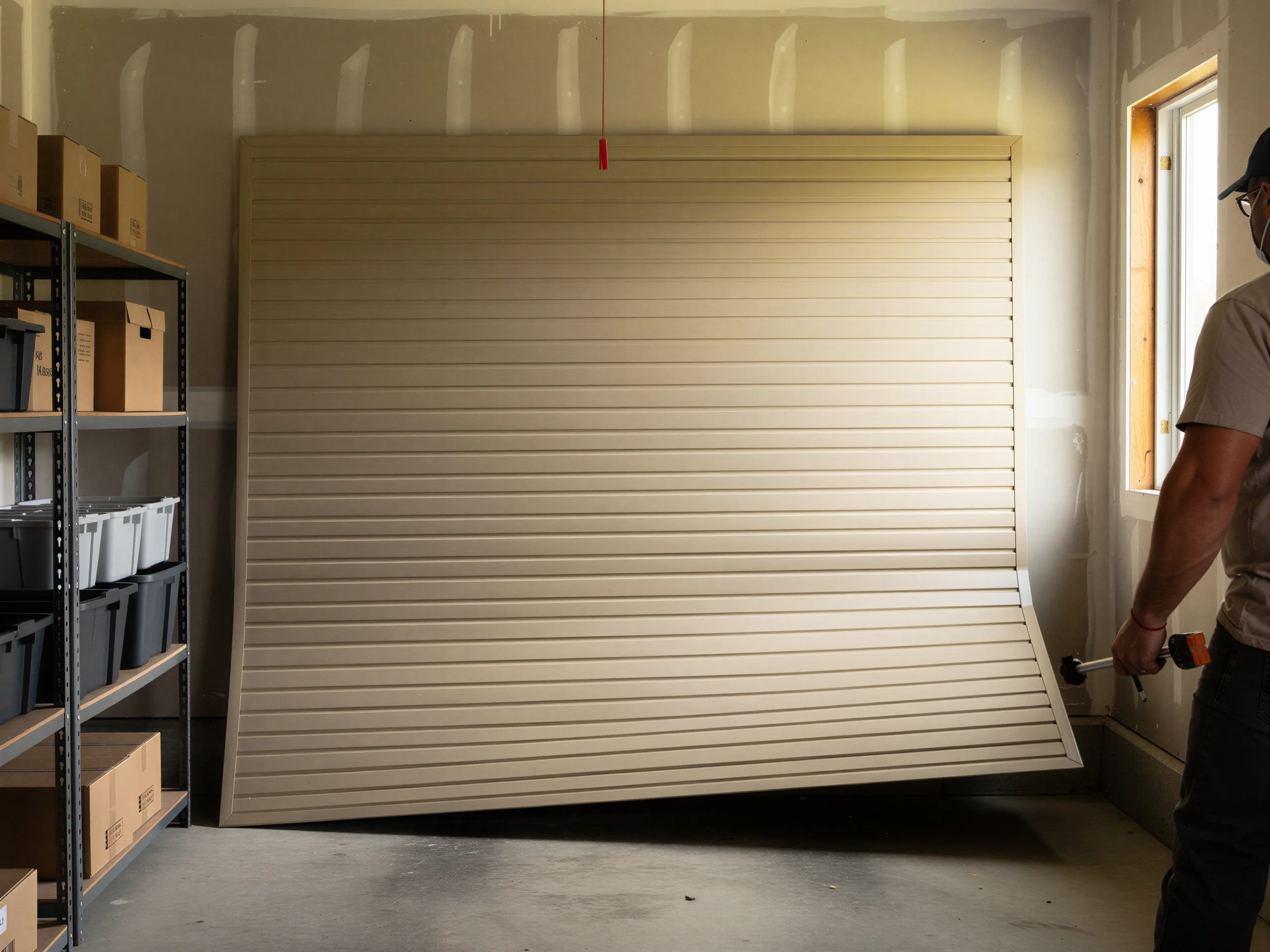
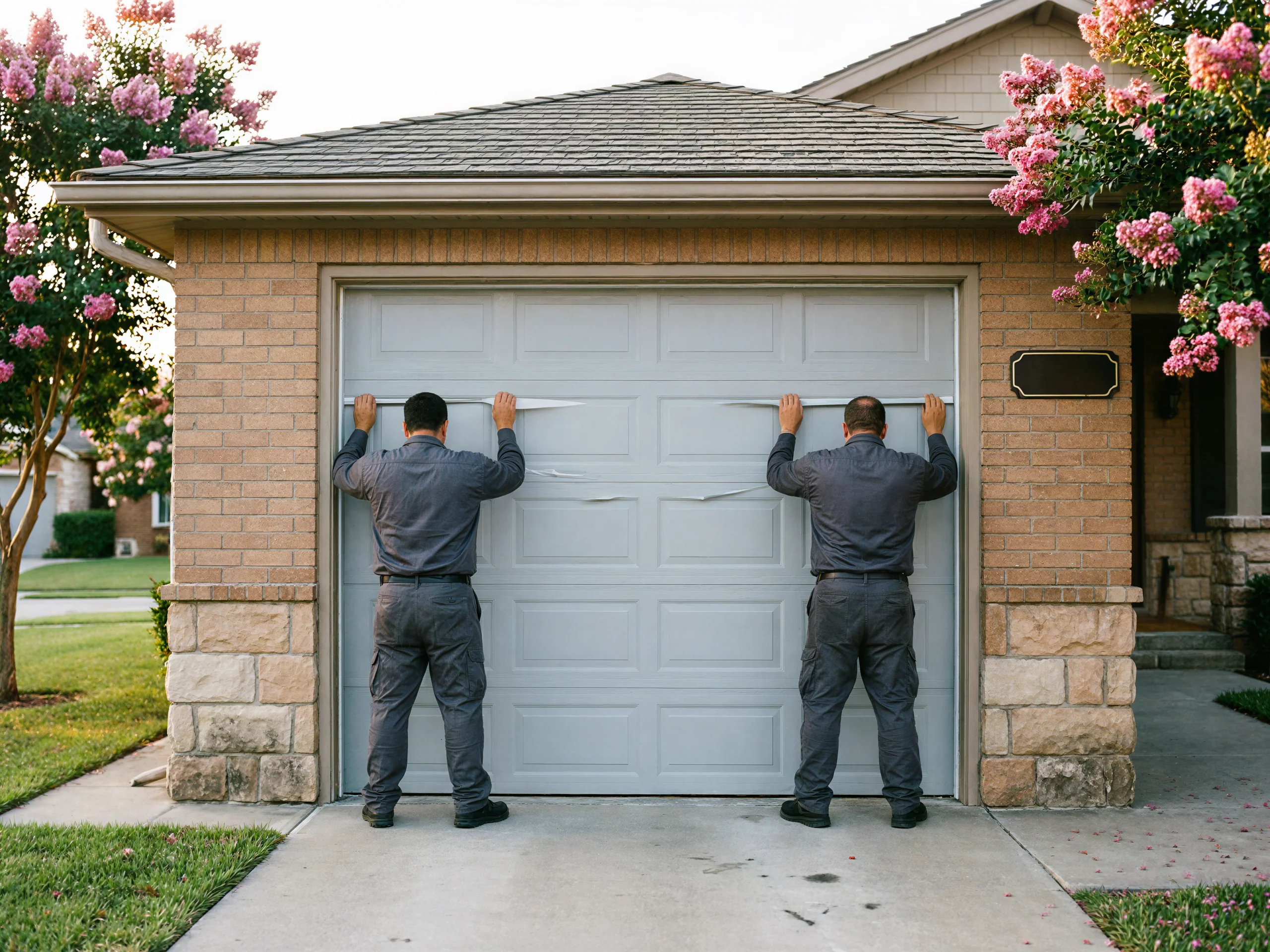
If your door looks like it's hanging crooked, that's not a cosmetic issue, that's a cable about to fail, and the door shouldn't be run again until it's checked.
Booking
We work out of North Richland Hills, about 5 miles from Keller, so there's no local branch here - we're coming to you, not meeting you at a counter. That's worth knowing up front because it means scheduling is built around routing trucks efficiently through the area rather than a drop-in shop. When you call, tell us the make of the opener if you can see it (Keller homes built since 1999 run a wider mix of opener brands than older neighborhoods closer in, since builders weren't all using the same supplier), and whether the door is stuck open, stuck shut, or running but making noise. That one detail changes which parts we bring.
Downtime
We're not going to promise a same-day window here, because that depends on the specific part and what's already on the truck - and we'd rather tell you that plainly than guess at a number we can't back up.
What we can say: a straightforward torsion spring replacement on a standard double door is usually a same-visit fix once we're on site. An opener logic board failure is sometimes not - if the board itself has to be sourced rather than swapped from stock, that adds a day or two, and on some older opener models from the late '90s the board isn't stocked anywhere nearby and has to be ordered.
If your opener is that old and failing, it's often cheaper and faster to replace the unit outright than to wait on a board for a motor that's near the end of its life anyway.
Symptoms
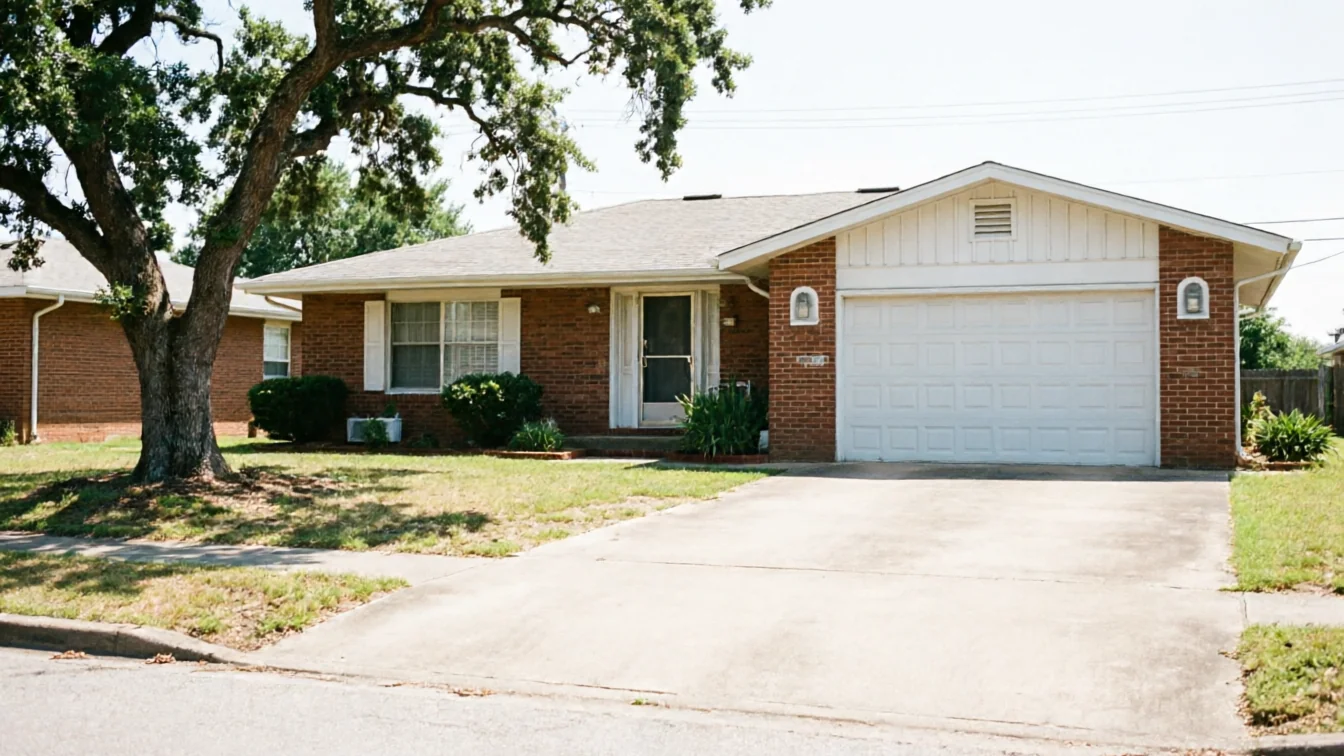
The most common call we get out of Keller right now is a door that won't budge and makes a loud bang or snap right before it stops - that's a torsion spring breaking, and it's consistent with a lot of doors here hitting their cycle limit around the same age. Second most common: an opener that runs but the door barely lifts, or lifts a few inches and stalls. That's almost always the spring compensating for a lost spring partner, or a worn drum cable, not the motor itself. If your door is doing either of those things, don't keep running the opener trying to force it - that's how a spring repair turns into a spring-plus-track repair.
Questions
Torsion springs are rated for a number of open-close cycles, not a calendar lifespan. A lot of Keller homes were built around 1999, so many original springs are now 20-plus years old and simply reaching the end of their rated cycle count. The break often happens on a cold morning because the steel is stiffer and under more load at low temperatures.
No. We're based in North Richland Hills, about 5 miles away, and we drive out to Keller for calls. There's no storefront or counter to drop into here - scheduling is done by phone, and the truck comes to your address.
Depends on the part that failed. If it's a sensor or a simple switch, repair makes sense. If the logic board on an older opener has to be special-ordered, replacement is often the better move, both on cost and on how much longer the rest of the unit has left anyway.
Yes. A door hanging unevenly usually means a cable has stretched or a strand has broken, and running the door again risks it dropping the rest of the way off track. Don't operate it until it's been looked at.
Explore more
Ready when you are
North Richland Hills Garage Door Co repairs and installs garage doors, springs and openers in North Richland Hills, TX and the surrounding area.