Guessing wrong costs money
A door that won't lift can be a dead spring, a stripped gear in the opener, or a board that stopped talking to the wall switch, and guessing wrong means paying for a part that wasn't broken.
Keller, North Richland Hills
Keller homes mostly went up after 1999, newer than the service area average. We drive the 5 miles out from North Richland Hills to work on that newer hardware.
Local causes
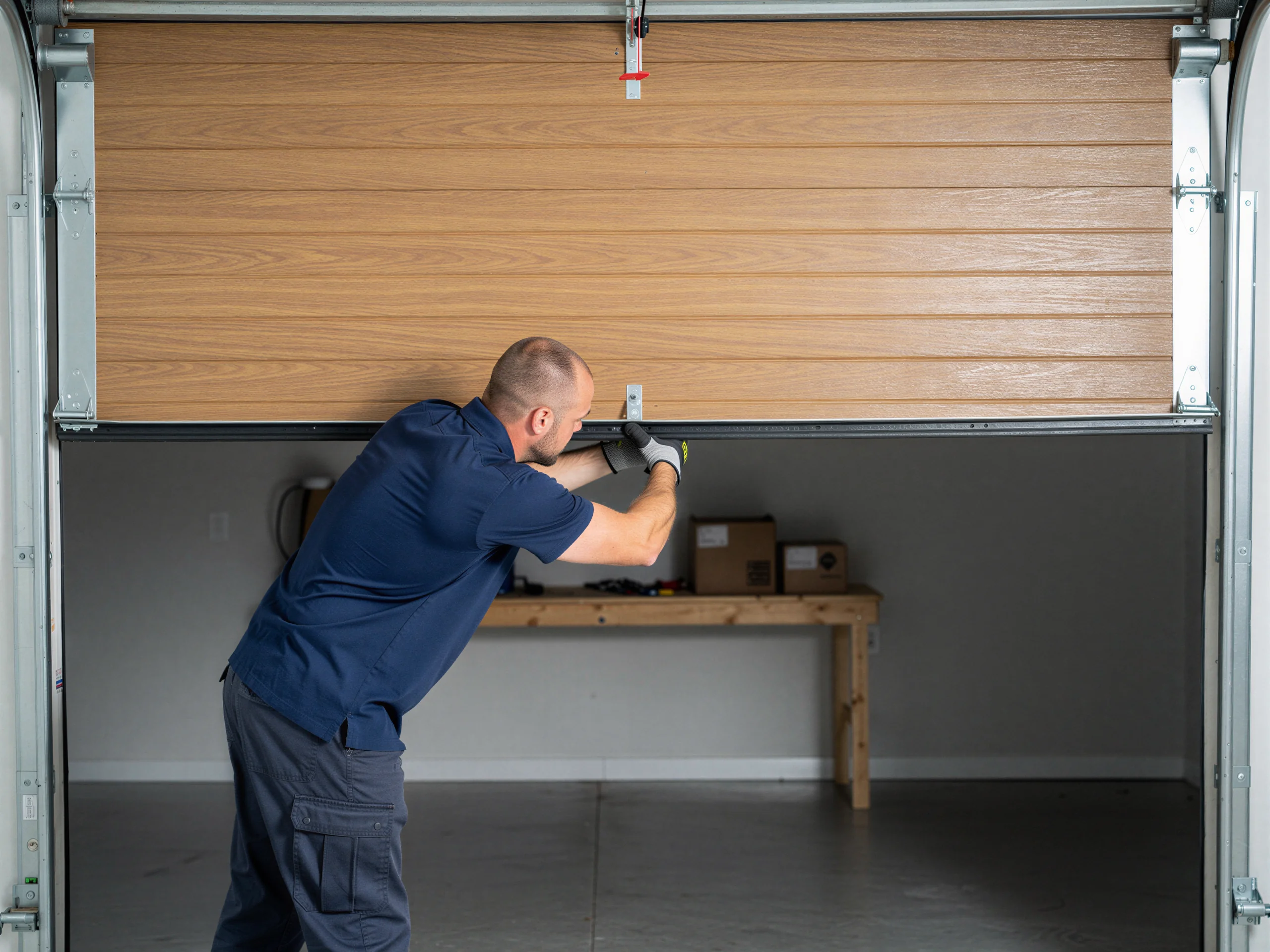
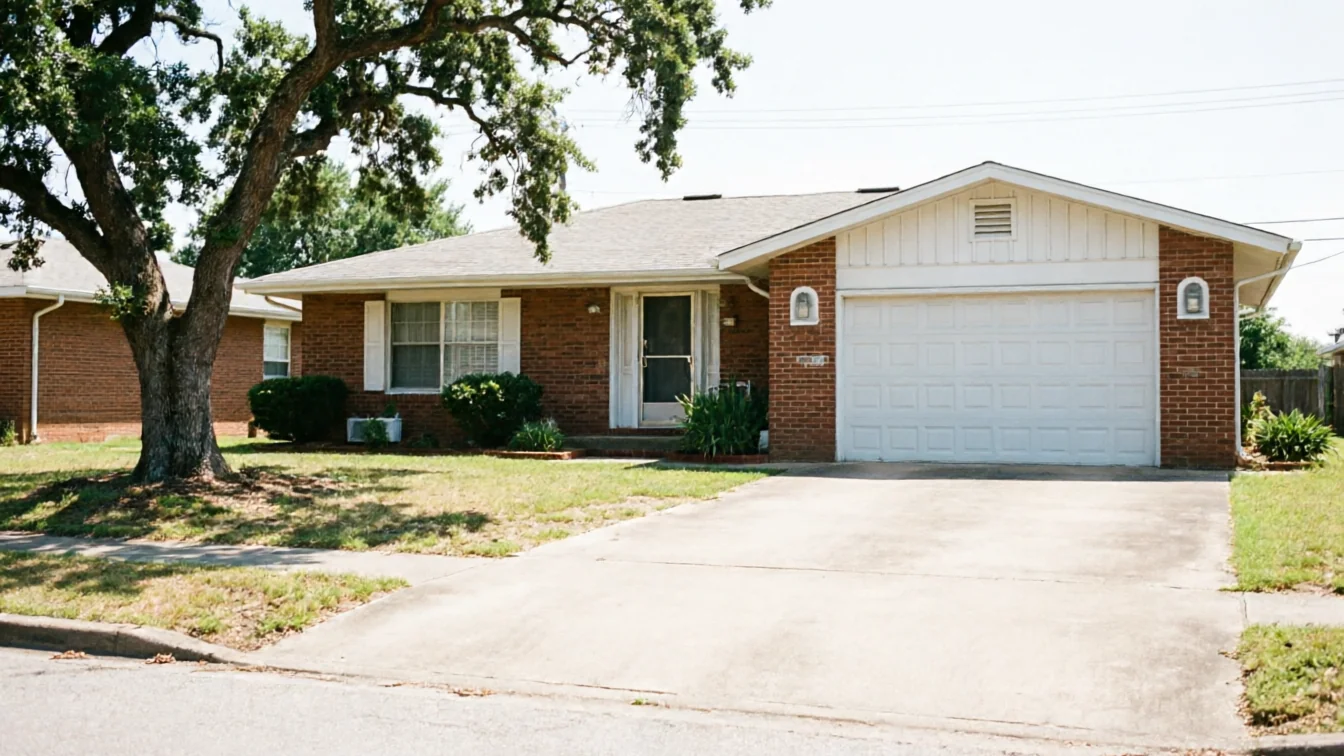
Keller is a five mile drive from our shop in North Richland Hills, and that matters less for how fast we can turn a truck around than for what's waiting on the house when we get there. The homes here were mostly built after 1999 - newer than the 1953-2014 spread across the wider service area, where the median sits back around 1992. That later build date means Keller garages are more likely to have factory steel doors on torsion springs rather than the older extension-spring setups you still find on homes from the 1980s stock elsewhere in the area. The springs are sized differently, the drums are different, and the opener brackets bolt up differently too. We're not guessing at hardware from a decade we rarely see out here - newer openers with working safety reversal and photo-eye sensors are closer to the rule than the exception once a neighborhood post-dates the mid-90s. That doesn't mean nothing breaks. Torsion springs on newer doors still fatigue, just on a different timeline than the older gear, and the heavier insulated panels common on newer builds put more strain on rollers and cables than the thinner doors they replaced.
Watch-outs
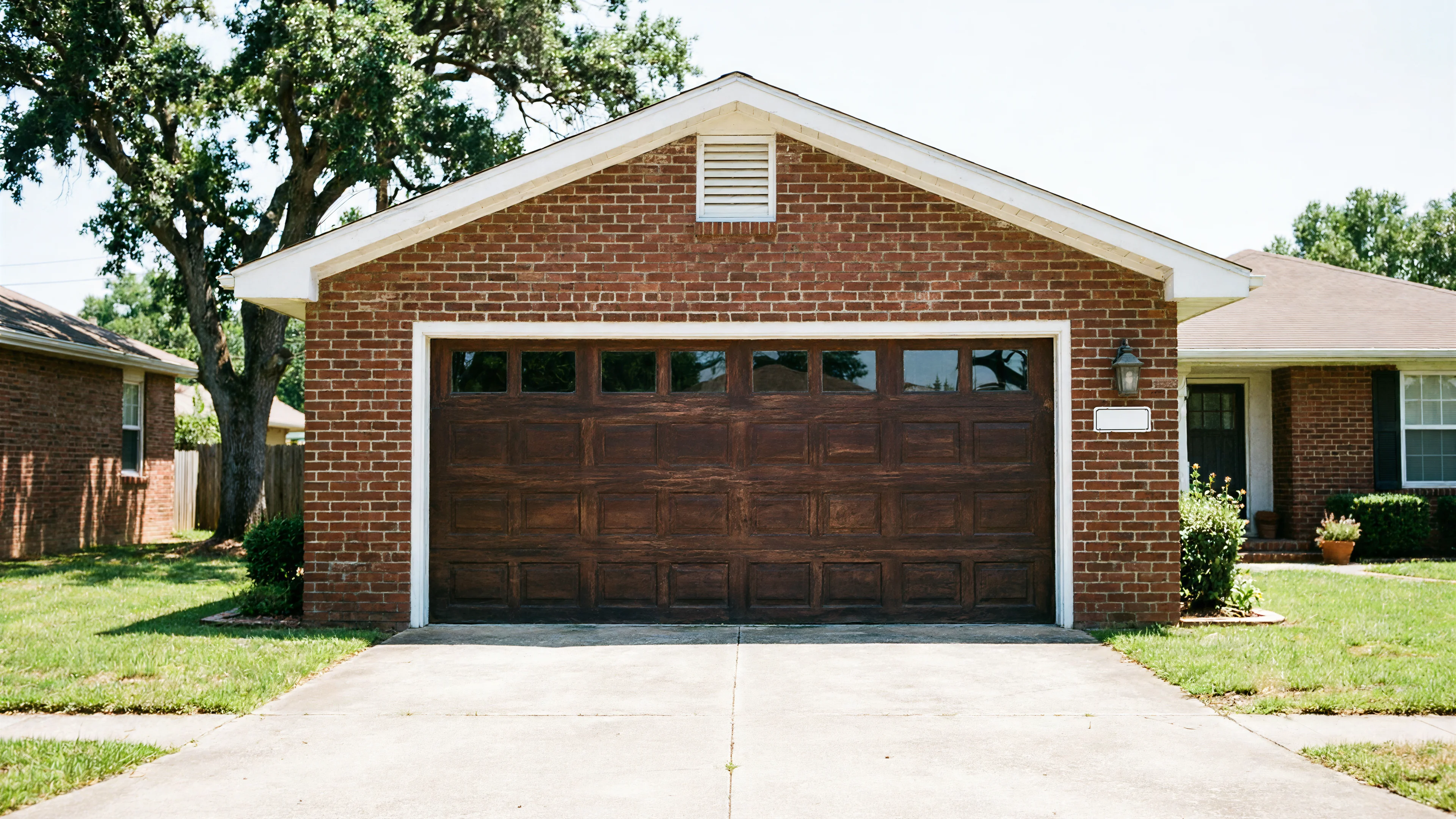
The trouble spot on newer Keller doors usually isn't the spring itself - it's the opener's circuit board or logic unit, which fails quietly and gets blamed on the spring because the symptoms look the same from a homeowner's chair.
A door that won't lift can be a dead spring, a stripped gear in the opener, or a board that stopped talking to the wall switch, and guessing wrong means paying for a part that wasn't broken.
Keller's median household income runs well above the area average, which tends to mean nicer openers with more electronics in them - Wi-Fi modules, battery backup, rolling-code boards - and those components fail in ways a torsion spring never did.
We check the simple stuff first: track alignment, cable wear, sensor eyes knocked out of true. Most of the time it's one of those, not the expensive part.
Booking
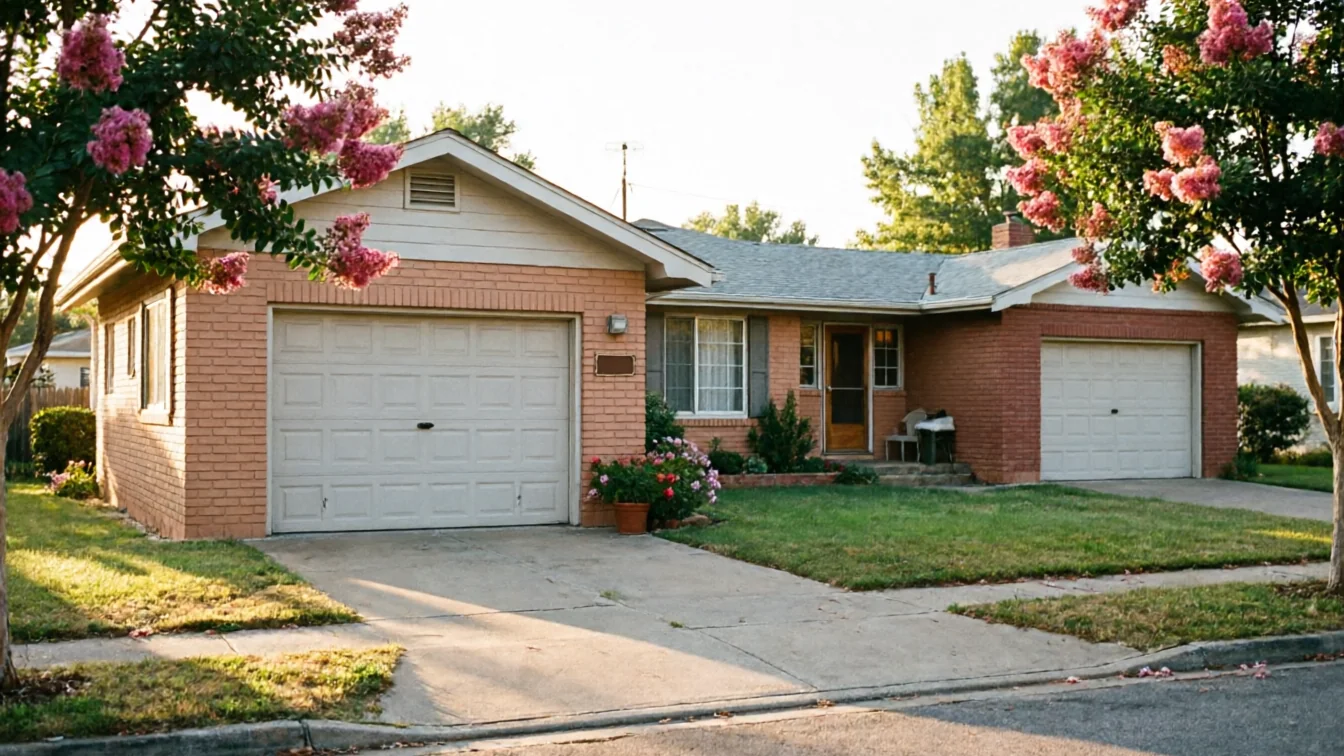
We run the call out from North Richland Hills, about five miles to most of Keller, which keeps the drive short but it's still a drive - we're not a branch sitting in town, so we ask for a bit of a window rather than a guaranteed minute. Tell us the door's make and roughly how old the house is when you call; on a Keller home built in the late 90s or after, that usually points us to torsion hardware and a mid-generation opener before we even pull up, and we bring the right spring stock instead of showing up light. If your opener is tied into a smart home system or has a battery backup unit, mention that too - those take an extra few minutes to diagnose correctly.
Downtime
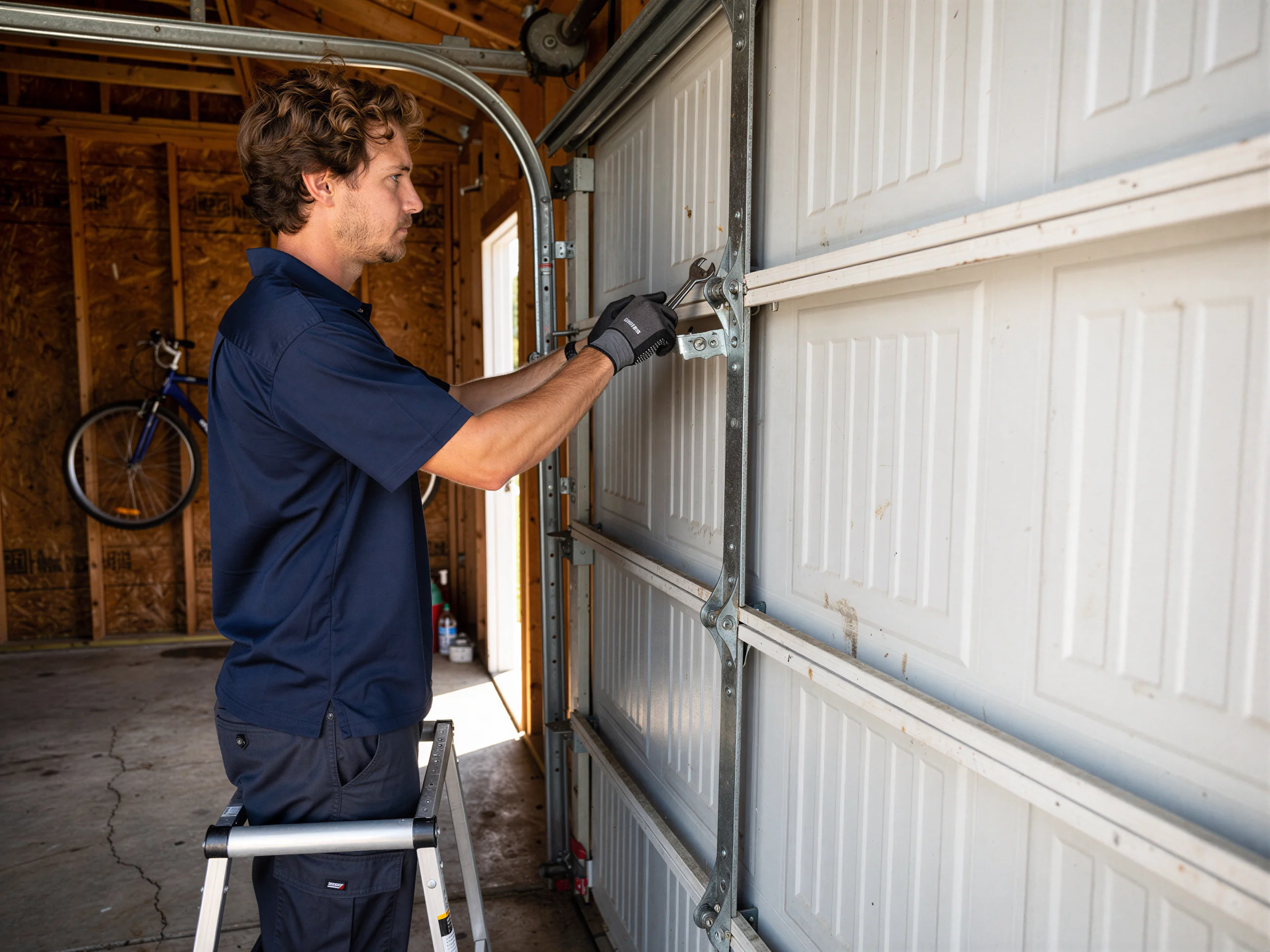
A straight torsion spring swap on a standard double door is usually a same-visit fix once we're on site - it's not an overnight wait for parts. Where it stretches out is a broken opener board or a specialty panel that isn't something we carry on the truck; those sometimes need an order, and we'll tell you straight if that's the case rather than make you wait around guessing. One honest limitation: if a part is proprietary to a less common opener brand, lead time on that part is out of our hands, and we'd rather say so up front than promise a date we can't hit.
Symptoms
The door that reverses halfway up, or won't close all the way and backs off an inch from the floor, is almost always a sensor alignment issue on newer Keller installs - the photo-eye brackets get bumped by a bike or a trash can and the beam goes crooked.
It's a five-minute fix once we're there, not a new opener. A door that's gone dead silent with no response from the wall switch or remote points more toward the board or a tripped circuit than the spring.
And a door that lifts but groans and shudders on the way up, especially on a heavier insulated panel, usually means rollers are worn past where lubrication helps.
None of these are reasons to replace the whole unit - on a house this age, the opener and door are young enough that parts, not panels, are almost always the answer.
Questions
No. We work out of North Richland Hills, about five miles away, and drive out for calls. We don't have a branch or depot in Keller, so plan for a short drive time rather than an on-the-spot arrival.
Generally yes. Keller's housing mostly dates from 1999 onward, later than the service area's overall median of 1992, so you're more likely to have a newer torsion-spring door and opener than the extension-spring setups common on older stock elsewhere.
That pattern usually points to a logic board or circuit issue rather than a worn spring. Newer openers common in Keller carry more electronics - rolling code boards, Wi-Fi modules - and those parts fail differently than mechanical wear does.
We don't quote a fixed response time for Keller since we're traveling the five miles from North Richland Hills, not sitting in town. Call and we'll give you a realistic window based on the day's schedule.
Explore more
Ready when you are
North Richland Hills Garage Door Co repairs and installs garage doors, springs and openers in North Richland Hills, TX and the surrounding area.