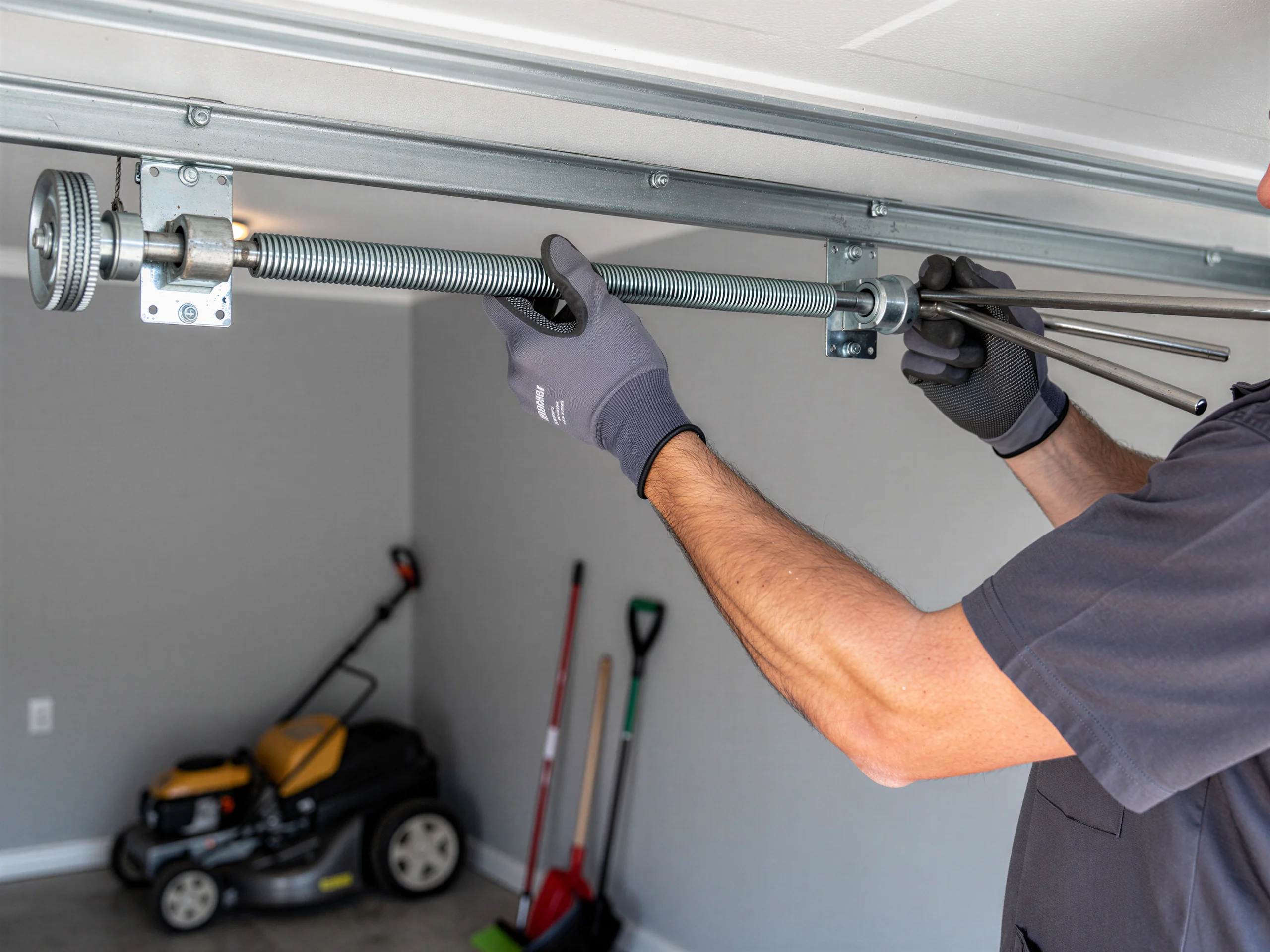
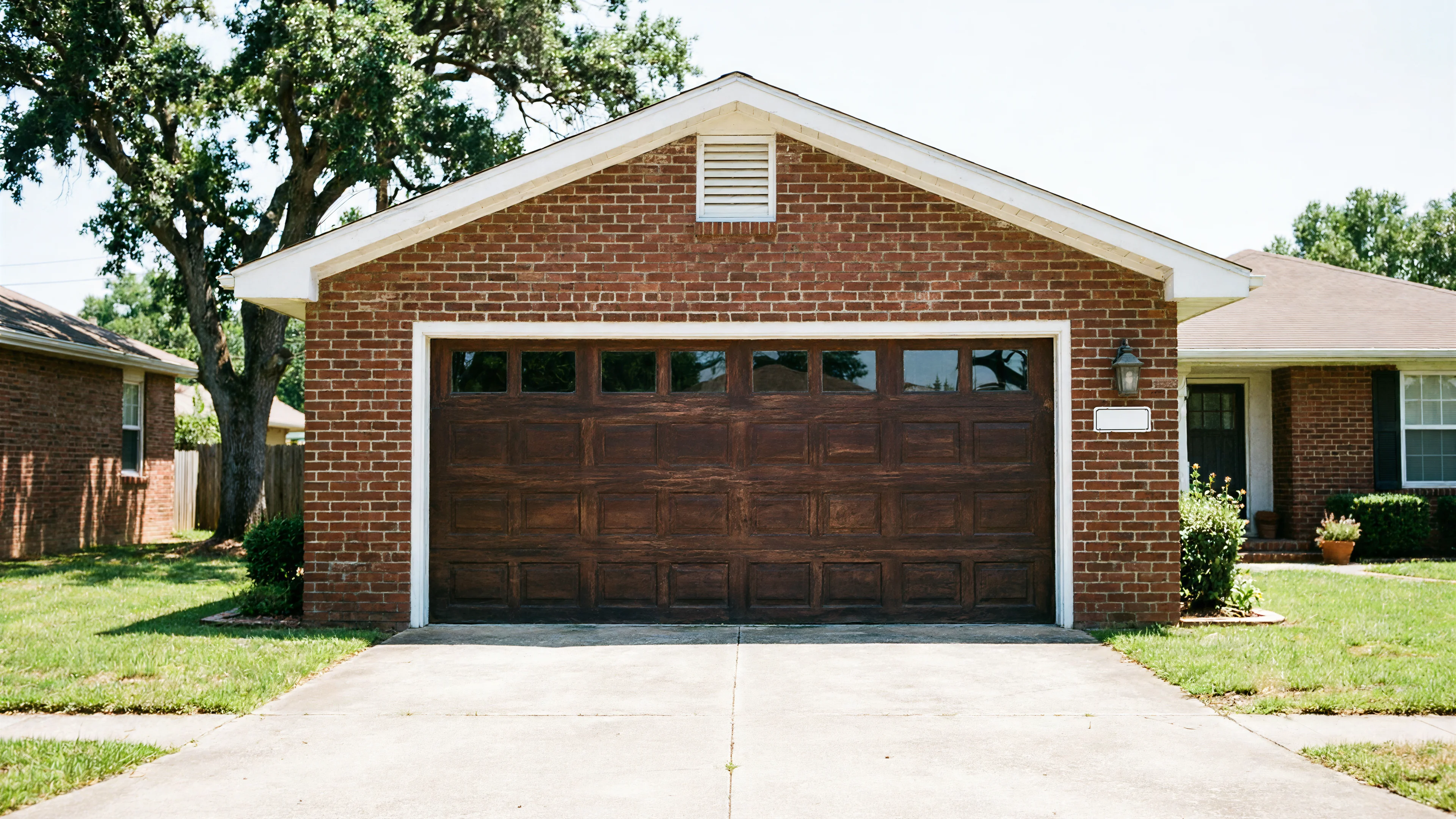
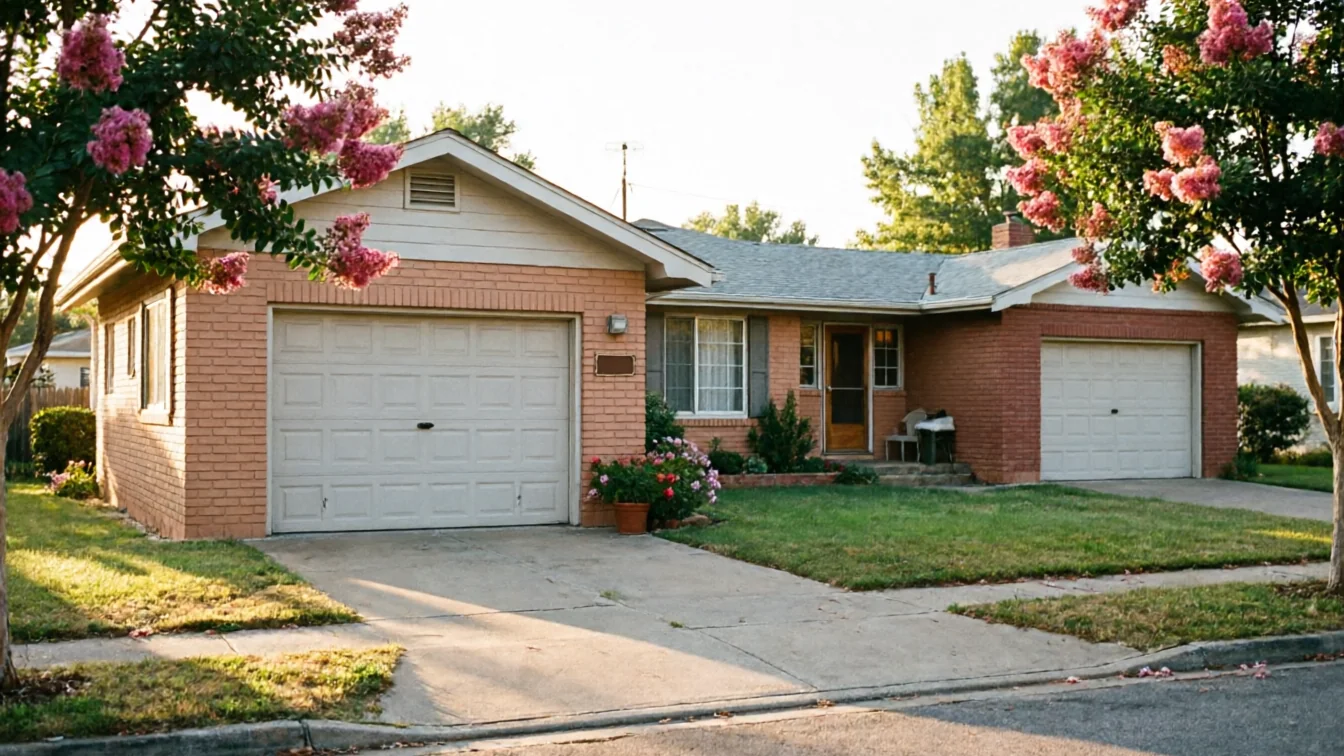
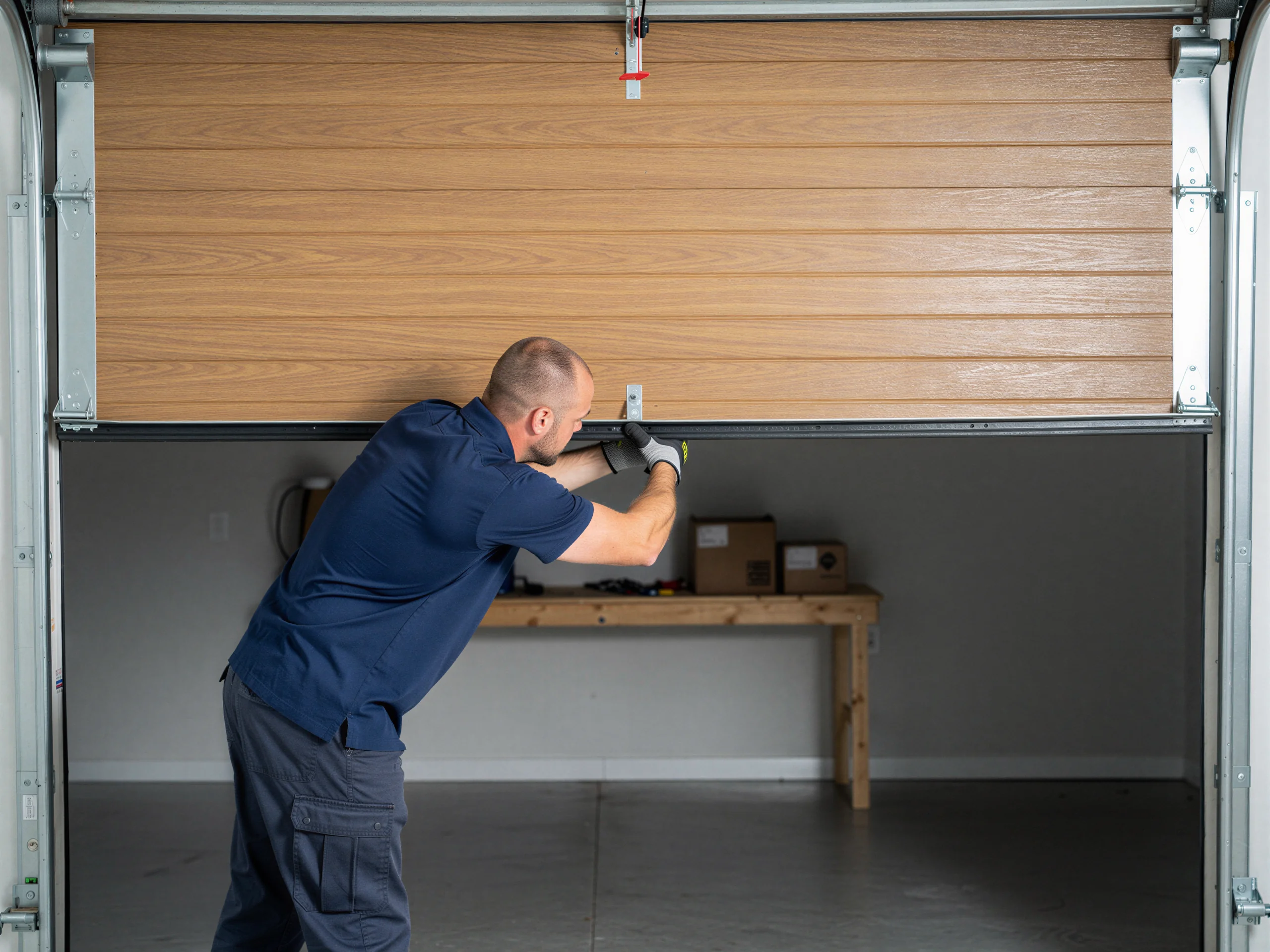
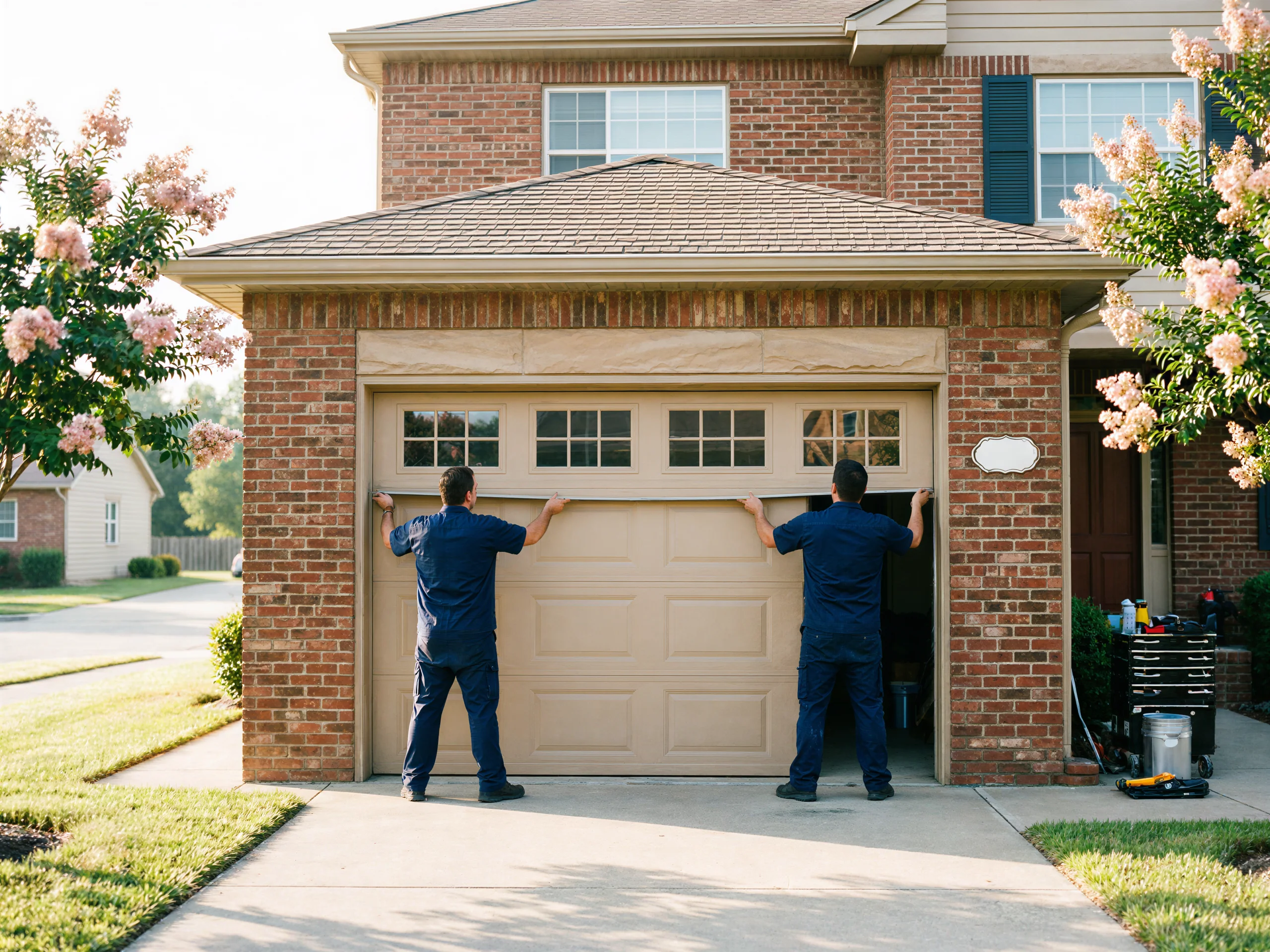
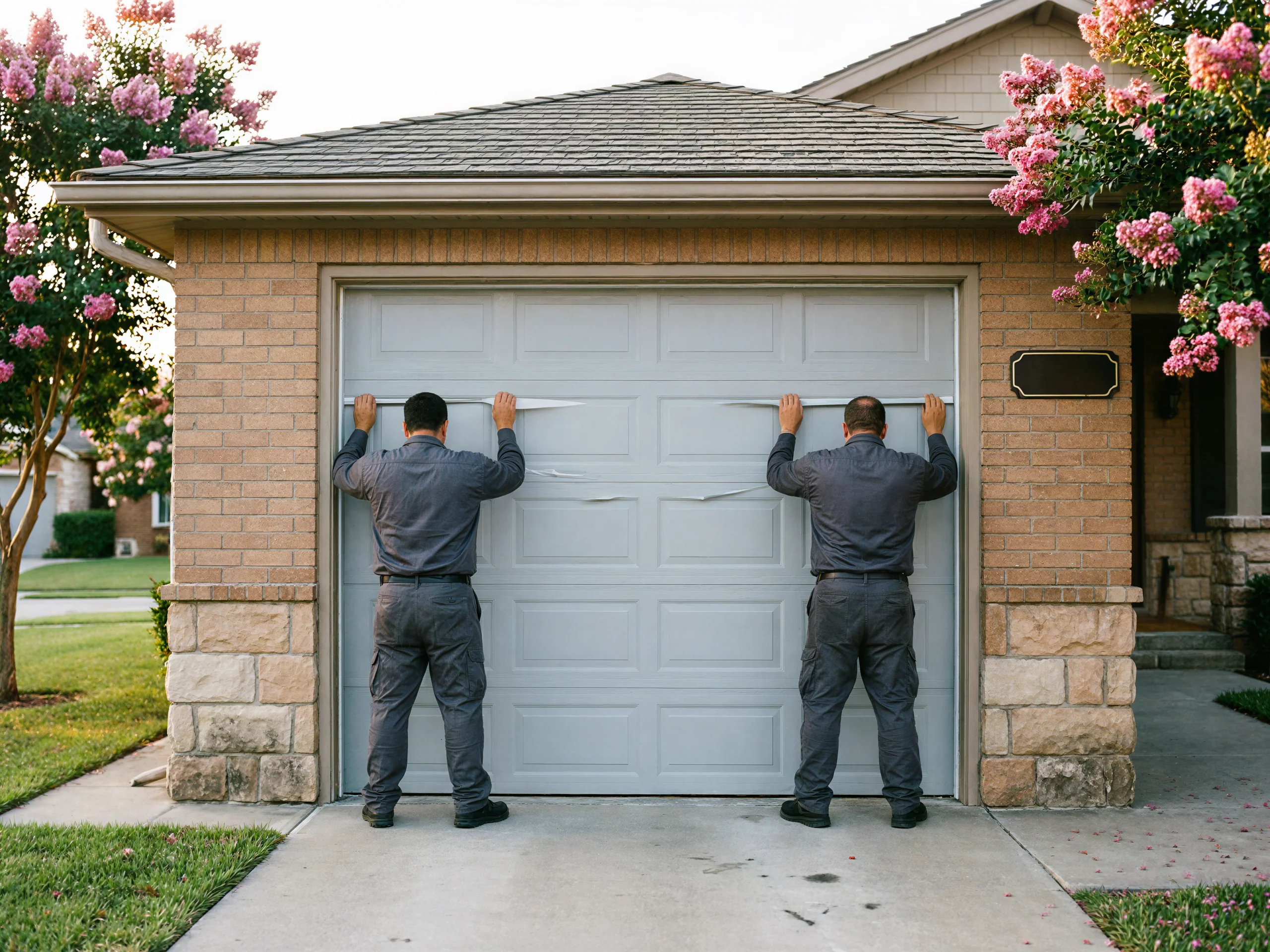
Keller's housing stock runs newer than a lot of the area we cover - median build year here is 1999, a good seven years past the service-area median of 1992. That matters for springs because houses from this era mostly went up with two-car, double-wide garage openings instead of the narrower single bays common on older stock. A 16-foot insulated steel door weighs more than the single-panel doors it replaced on earlier builds, and it's almost always running on a pair of torsion springs instead of one. Two springs mean two points of fatigue, and when one goes, the other is usually close behind it, just a few weeks or months out.
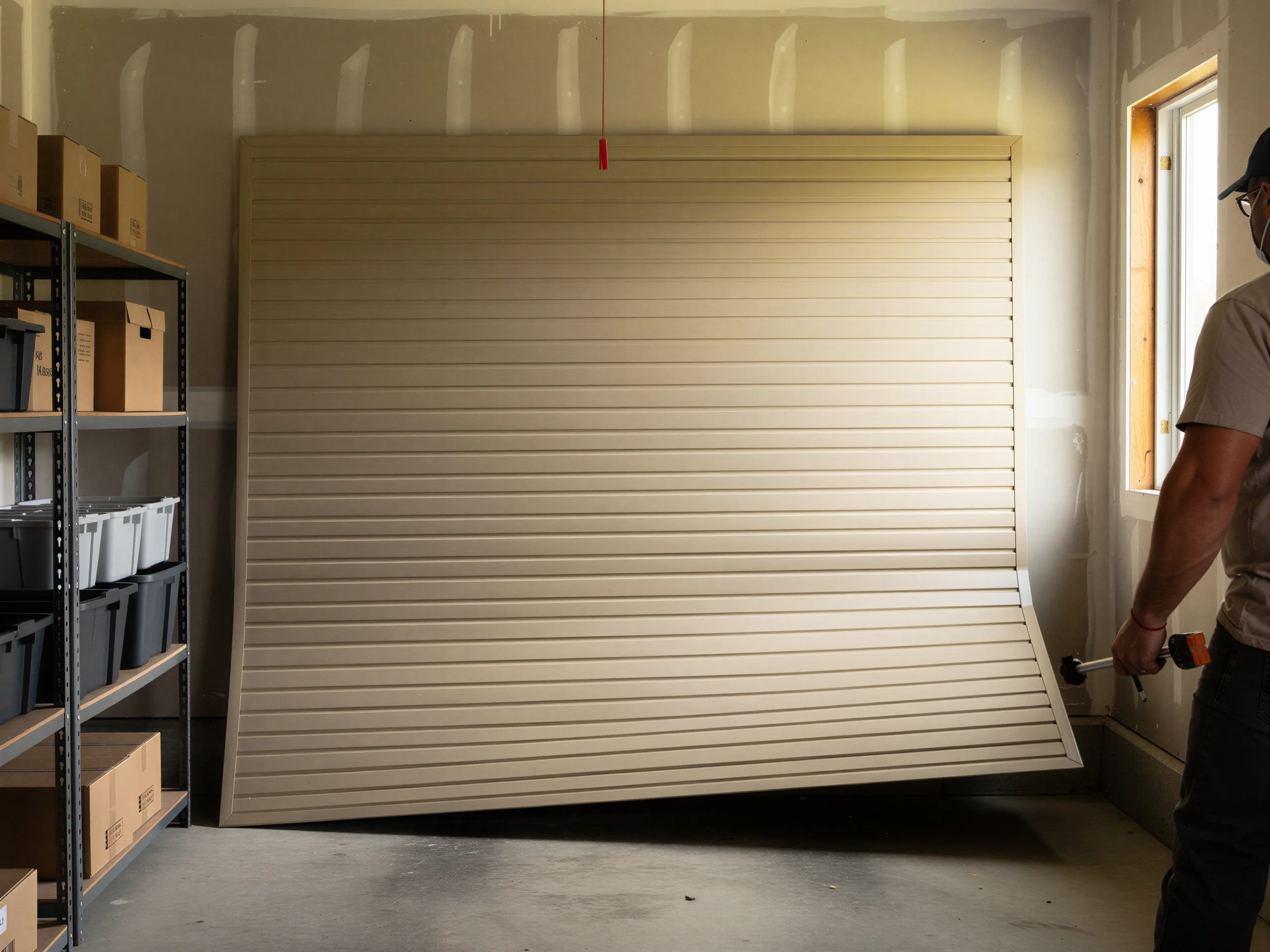
Cycle count is the real driver. A door built in the late '90s that's seen twenty-plus years of regular use has put a torsion spring through tens of thousands of lift-and-drop cycles. Steel fatigues on a curve, not a cliff - it holds fine for years, then lets go all at once, often with a bang loud enough to bring someone out of the house. That's the physics behind most of the spring calls we get from this part of the territory, not wear from any one storm or season (F3: heat here is moderate, not the kind of swing that snaps hardware early).