Serving North Richland Hills, TX & nearby(817) 985-1239

Trophy Club, North Richland Hills

Garage Door Repair for Trophy Club's Newer Homes

Garage door repair for Trophy Club homes built mostly after 2000. We bring the parts for newer steel sectional doors on the 10-mile drive from North Richland Hills.

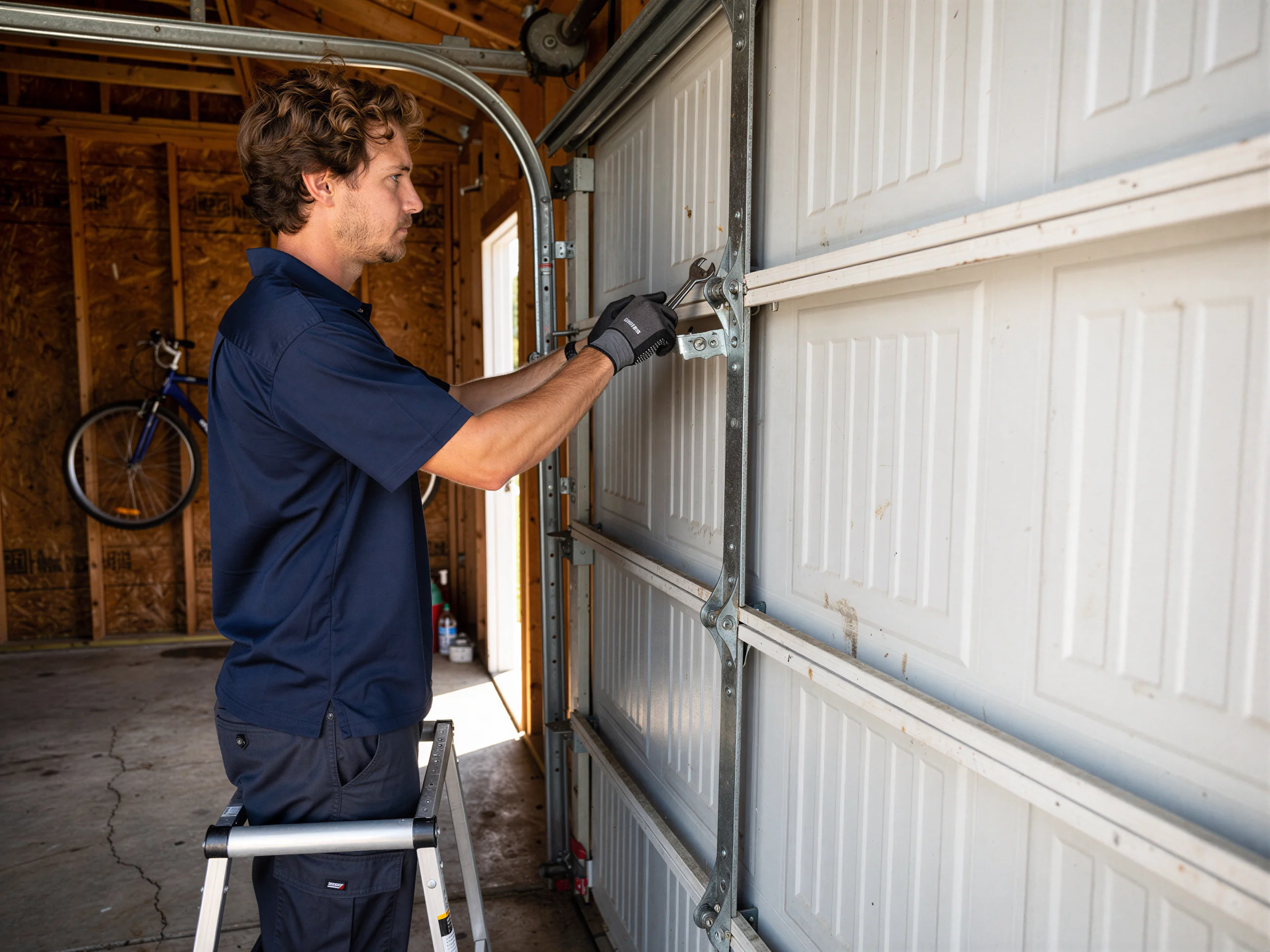
A technician on a ladder adjusts a white garage door.
Same-day service availableLicensed & fully insuredUpfront, written pricingLocal crew, real reviews

Downtime

How Long You Are Without the Door

Trophy Club sits about 10 miles from our shop in North Richland Hills, so factor that drive into when we can get a tech on site. We don't run a branch out here and we won't pretend otherwise. What that drive buys you, though, is a tech who's already loaded with the parts that fit a house built around 2000, which is the median build year for this area - not the older torsion hardware that's common closer in. We're not guessing what's behind your door before we leave the shop. Call first and tell us the door's age and whether it opens at all; that tells us what to load before we're ten miles out instead of after we've arrived and found out we're short a part.

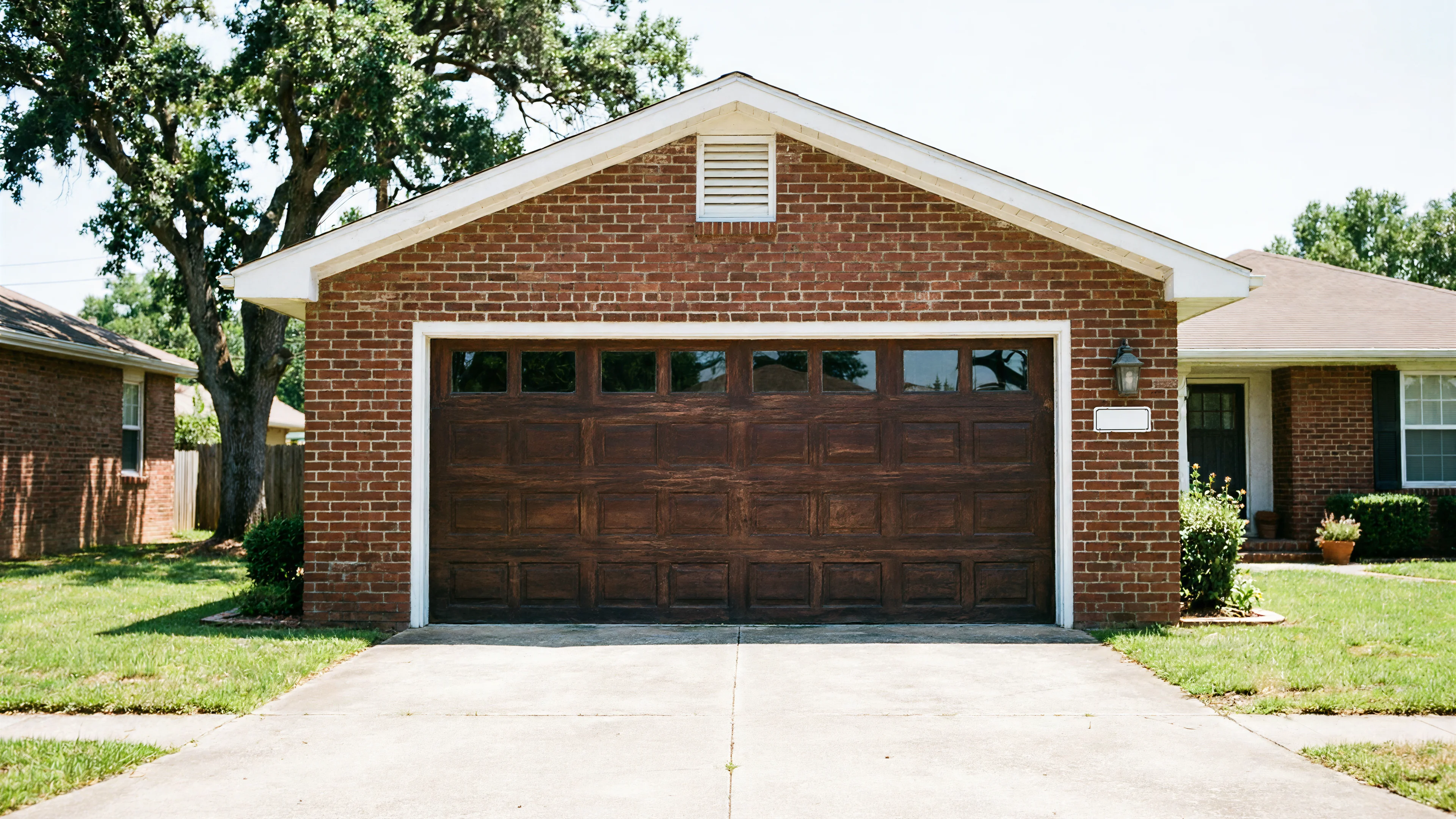
A brown garage door with windows on a brick house with a green lawn.

On the truck

What Is on the Truck

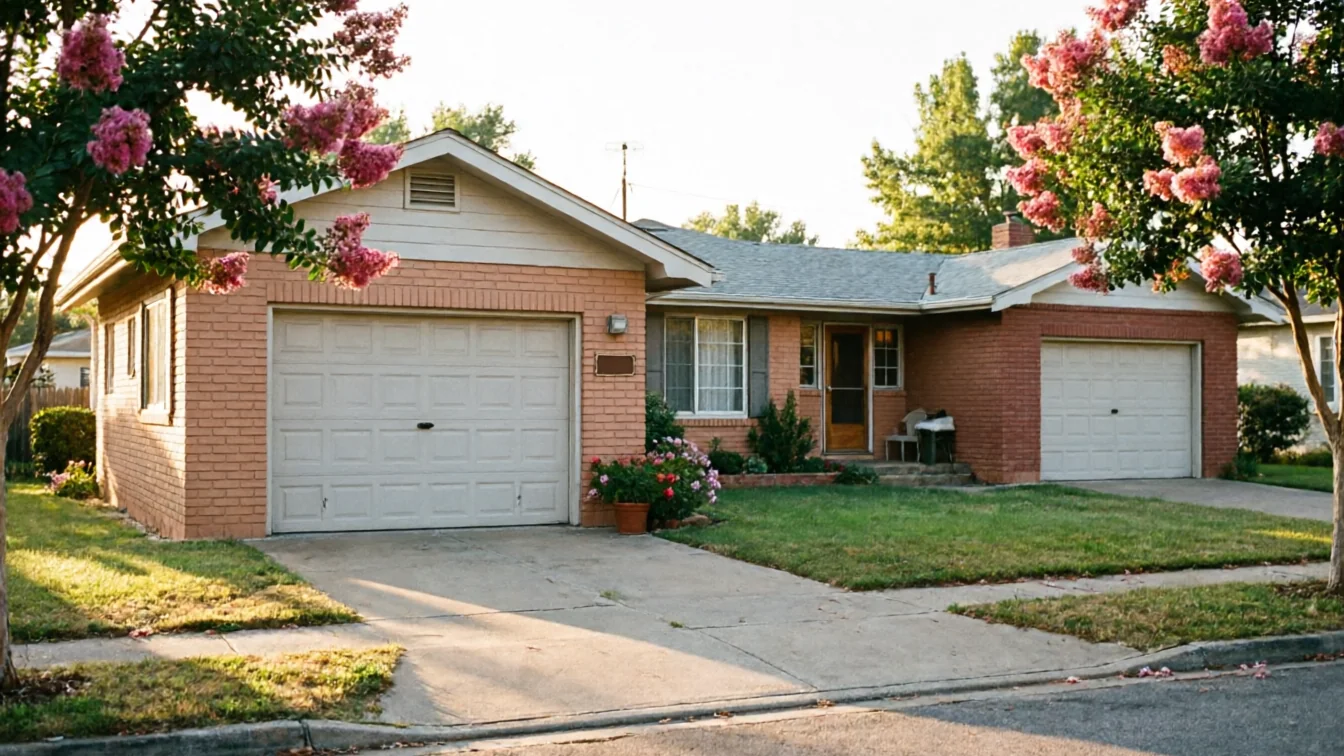
A brick house with two white garage doors and pink flowering trees.

A door built around 2000 is almost always a steel sectional, insulated or not, hung on standard torsion springs sized for a 16-foot double or an 8 or 9-foot single - builder-grade hardware, not the custom stuff you find on older, one-off doors. We carry standard-wind torsion springs in the common cable and drum sizes, nylon and steel rollers, and the extension spring brackets some of these builder installs still use on single-car doors. What we don't carry on the truck is obsolete wood panel hardware or odd European track systems - those aren't common in a neighborhood built this century, and if one shows up, we order the part rather than fake a fix.

Our process

How We Fix It

Torsion spring replacement on a standard builder door is a straightforward job: unload the spring, pull the old one off the shaft, set the new one to the right wind count for the door weight, and balance it so the door holds at waist height without help.

Newer hardware condition

On these newer doors the shafts and end bearing plates are usually in good shape - rust and pitting show up on much older housing stock, not here - so most jobs are spring, cable, and roller work rather than a full hardware rebuild.

Opener force testing

We test the opener's force settings after any spring swap, since a new spring changes how hard the opener has to pull, and a door that slams or reverses on a light touch means something's still off.

Symptoms

The Symptom

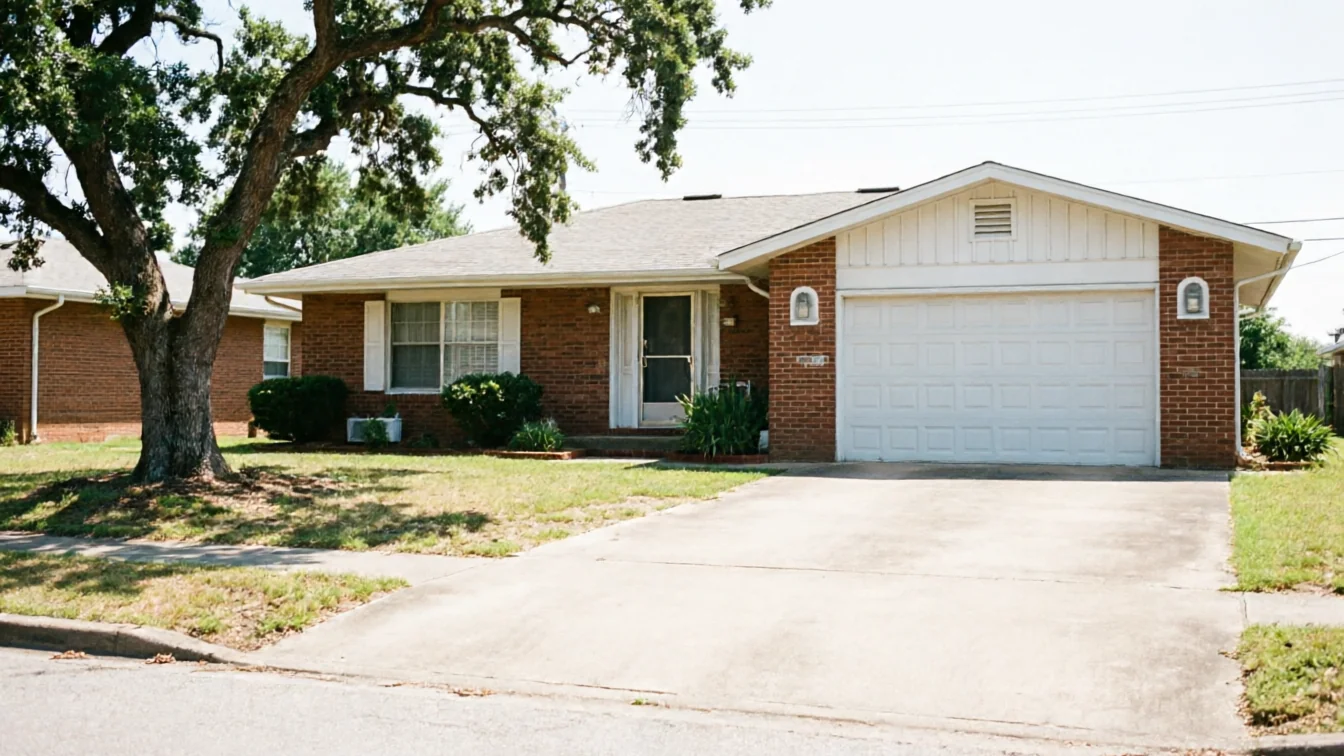
The house has a white garage door, a brick facade, and a large tree in the yard.

The call we get most from this part of town is a door that won't open at all, or one that opens a few inches and stops. On a house from this era that's almost always a broken torsion spring - the door's heavy enough that the opener can't lift it alone once the spring's gone, and the opener just strains and stops. Less often it's a snapped cable on one side, which shows up as the door hanging crooked, one corner lower than the other. Both look dramatic from the garage floor and both are routine repairs on this kind of door and hardware.

Local causes

What Causes It Around Here

Springs on doors built since 2000 are rated for a set number of open-close cycles, and most fail from age and cycle count rather than from a bad install.

Spring life nearing end

With a median build year of 2000 for this area, a lot of these doors are old enough now that the original spring is nearing or past its rated life, which is why spring failure is the top call here rather than opener or track problems.

Moderate climate less decisive

Heat plays a smaller role than people expect - our climate band here is moderate, not the kind of extreme swing that cracks panels or warps track - so if a door's failing early, cycle count and age are the more likely explanation than weather.

Watch-outs

Where This Job Goes Sideways

The job gets harder when the door is original to the house and the opener has been quietly compensating for a weakening spring for months - straining, running hot, wearing its gears down trying to lift a door it was never meant to lift unassisted. Replace the spring on that door and you sometimes find the opener needs attention too, not because of anything we did, but because it's been doing a job it wasn't sized for. We'll tell you straight if that's what we're looking at rather than quietly billing for an opener repair nobody asked about. One honest limit: if the track's badly bent or the opener is near the end of its life anyway, patching the spring and calling it done isn't always the better value, and we'll say so before we start.

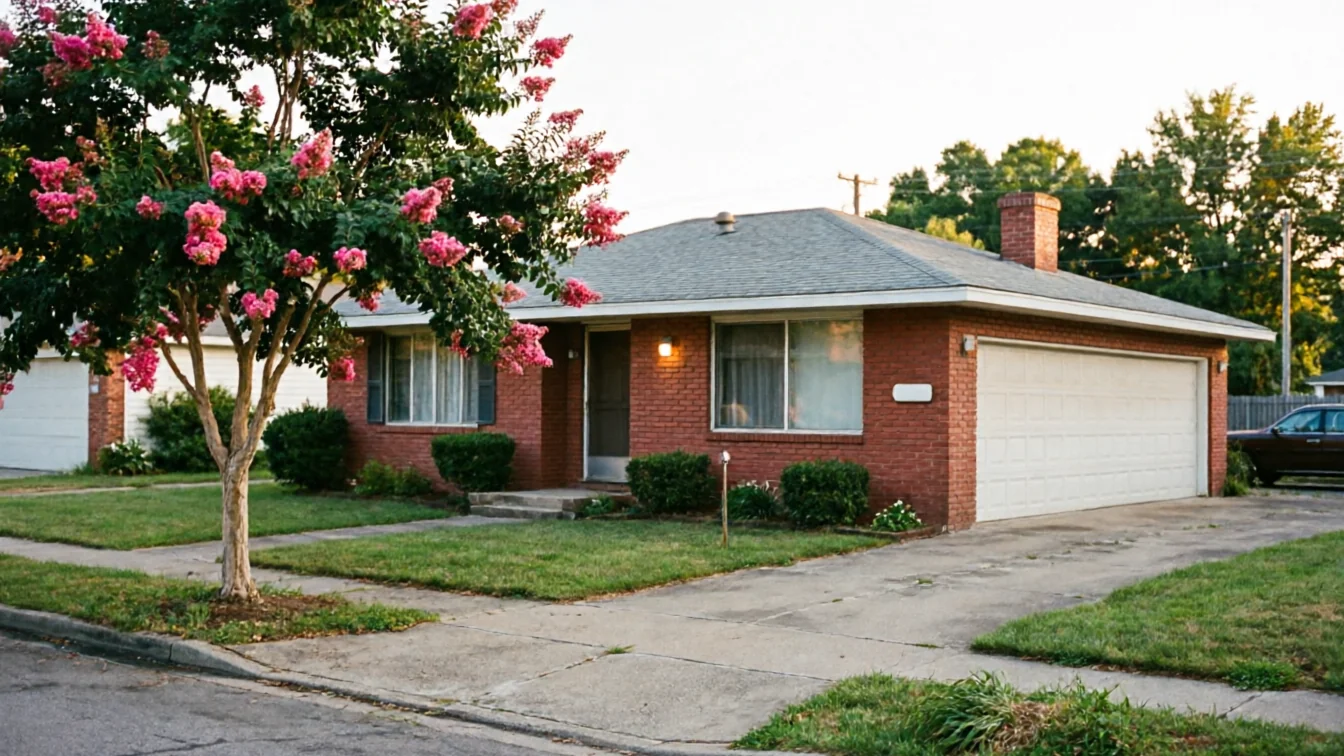
A red brick house has a white garage door and a pink flowering tree.

Questions

Common questions

Do you have a location in Trophy Club?

No. We work out of North Richland Hills and drive to Trophy Club, about 10 miles away. There's no local branch here, so the drive is part of scheduling a repair - worth knowing if you're comparing response times.

Why do Trophy Club doors break differently than older neighborhoods?

Most homes here were built around 2000, newer than a lot of the surrounding service area where 1980s-90s construction is common. That means standard builder-grade steel sectional doors and torsion hardware, so failures tend to be age and cycle-count related rather than the corrosion or obsolete parts issues you see on much older doors.

Is heat damage common on these doors?

Not really. The climate band for this area is moderate, not the kind of extreme heat swing that warps panels or stresses track. Spring failure here is driven more by age and years of daily cycles than by weather.

Can you fix a crooked door that's hanging on one side?

That's usually a snapped cable on one side of the door, and it's a routine repair on the standard torsion hardware found on most Trophy Club garages. We carry the common cable sizes on the truck for this door era.

Explore more

More Services in Trophy Club

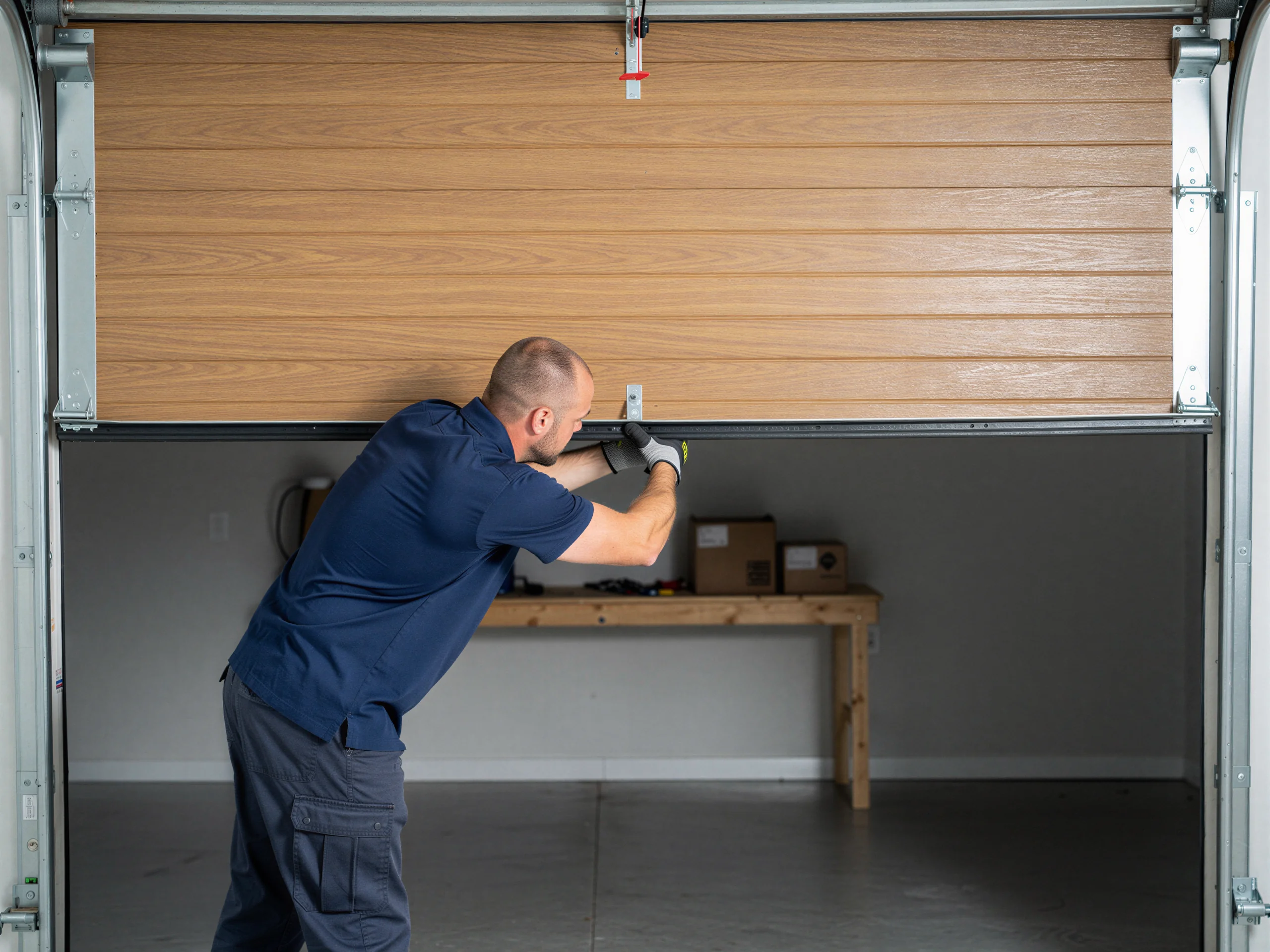
A technician is working on the bottom of a wood-look garage door.

Garage Door Service

Trophy Club homes went up mostly around 2000, with builder-grade openers now near 25 years old. Learn more →
A technician is working on the bottom of a wood-look garage door.

Maintenance

Garage door maintenance for Trophy Club homes built since 2000, serviced from North Richland Hills, 10 miles away. Learn more →
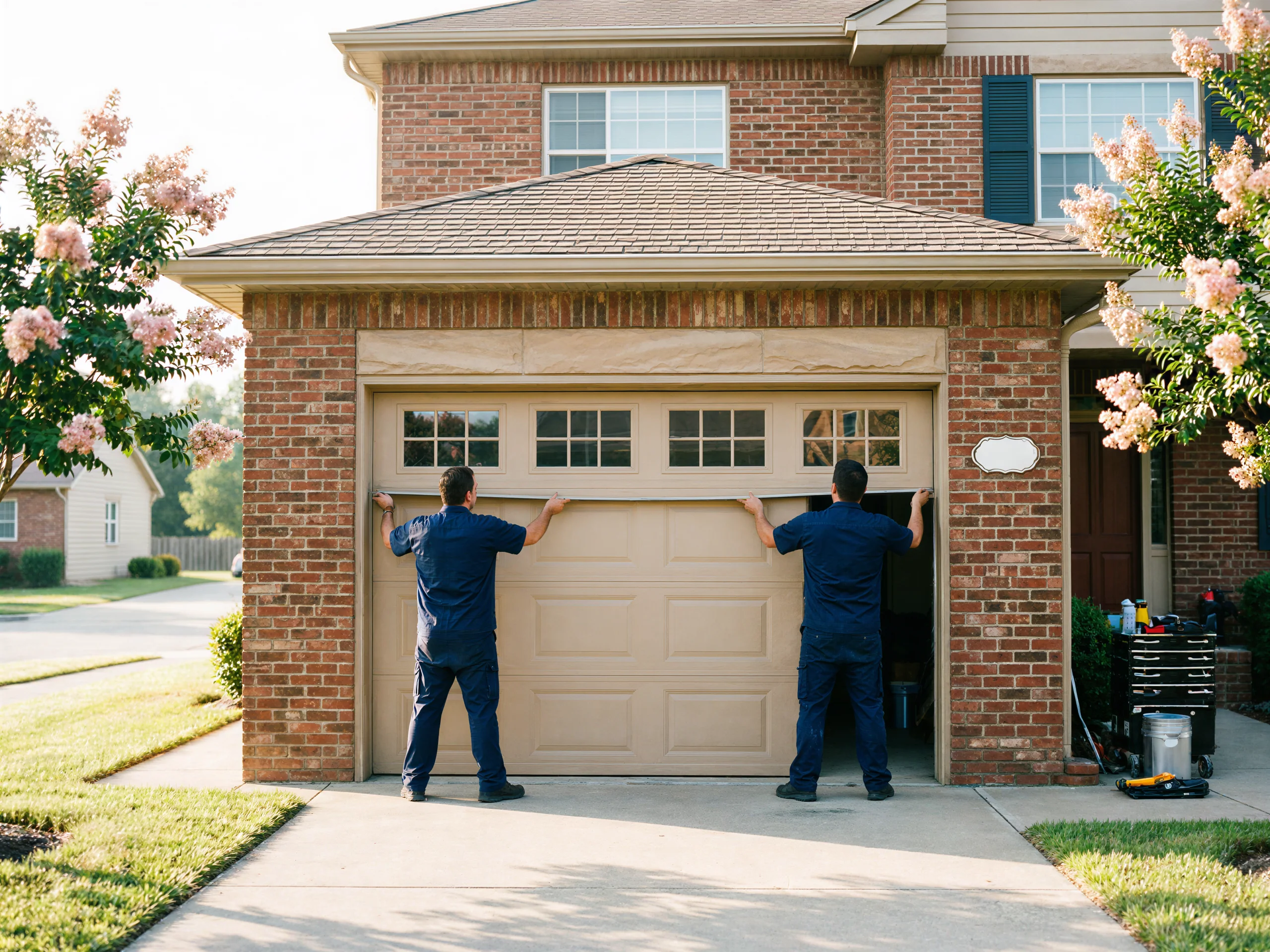
Two technicians in blue uniforms are installing a beige garage door.

New Door Installation

New garage door installation for Trophy Club, a 10-mile run from our North Richland Hills shop, sized for a mostly post-2000 housing stock and higher-end hardware requests. Learn more →
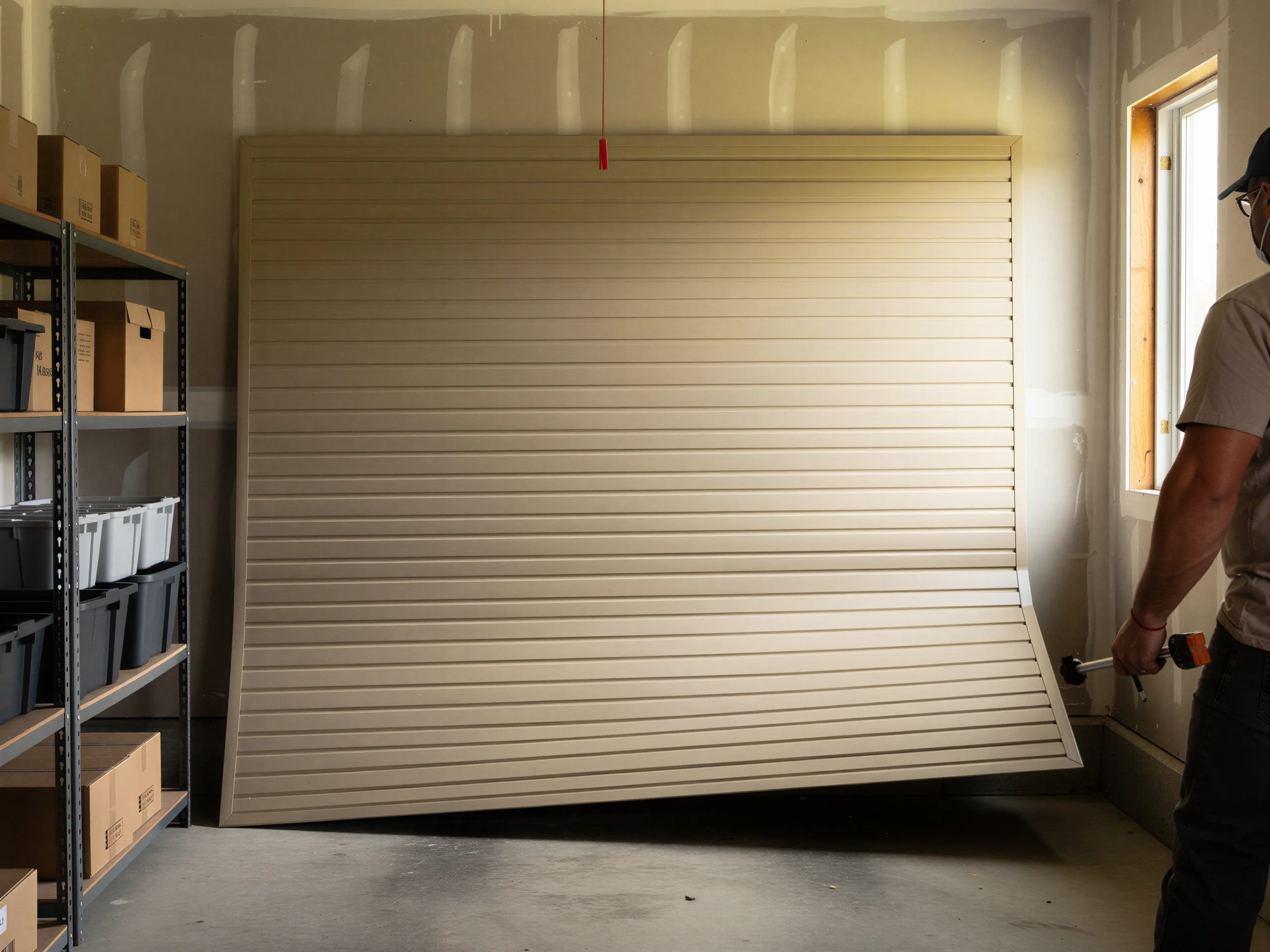
A technician stands next to a beige garage door that is off its track.

Off Track Repair

Trophy Club homes built around 2000 use heavier insulated doors on nylon rollers. Learn more →
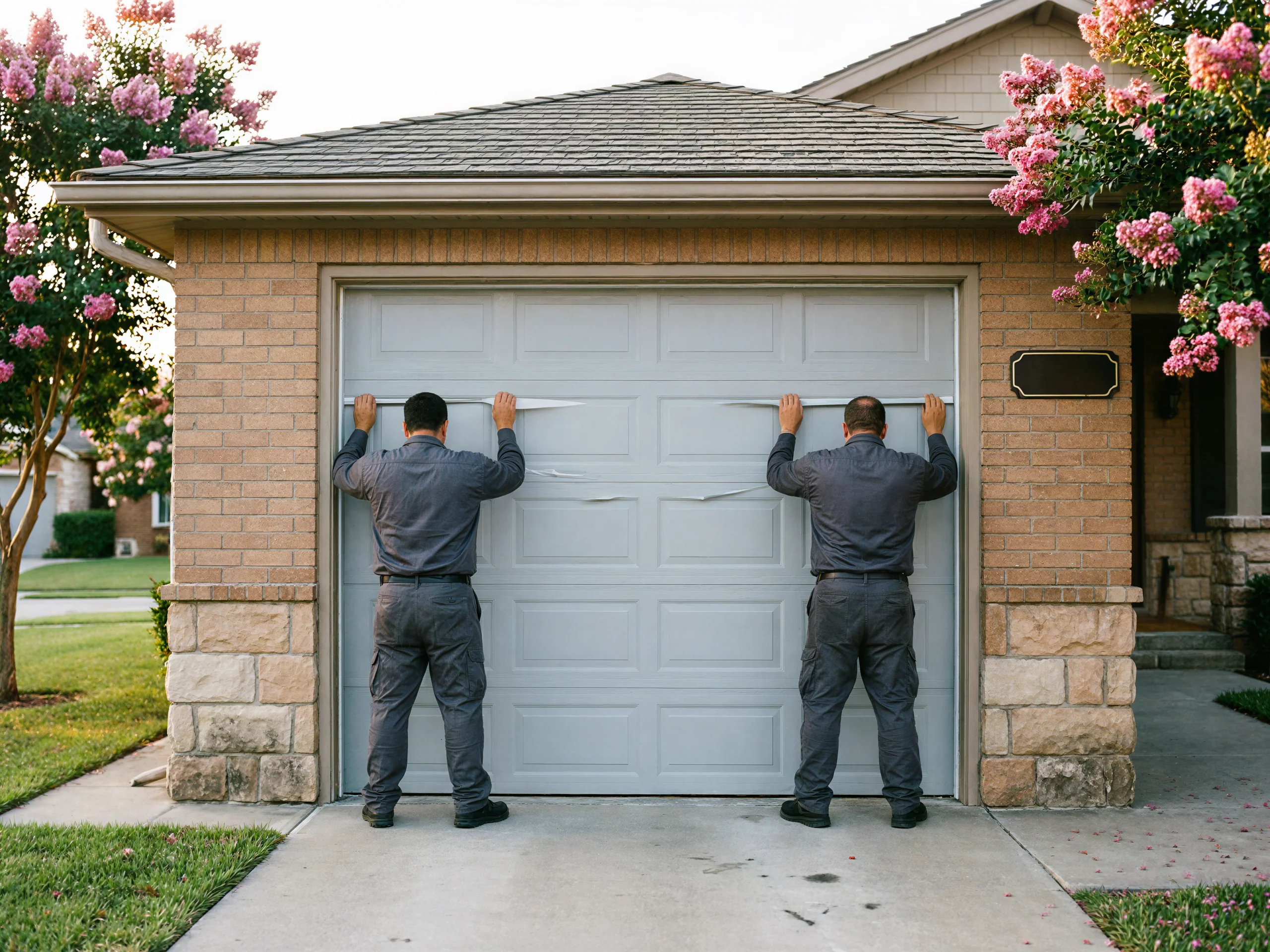
Two technicians are working on a damaged gray garage door.

Panel Replacement

Trophy Club homes mostly went up after 2000, later than the service area median of 1992 - which means different panel sizes and attachment hardware than older stock nearby. Learn more →
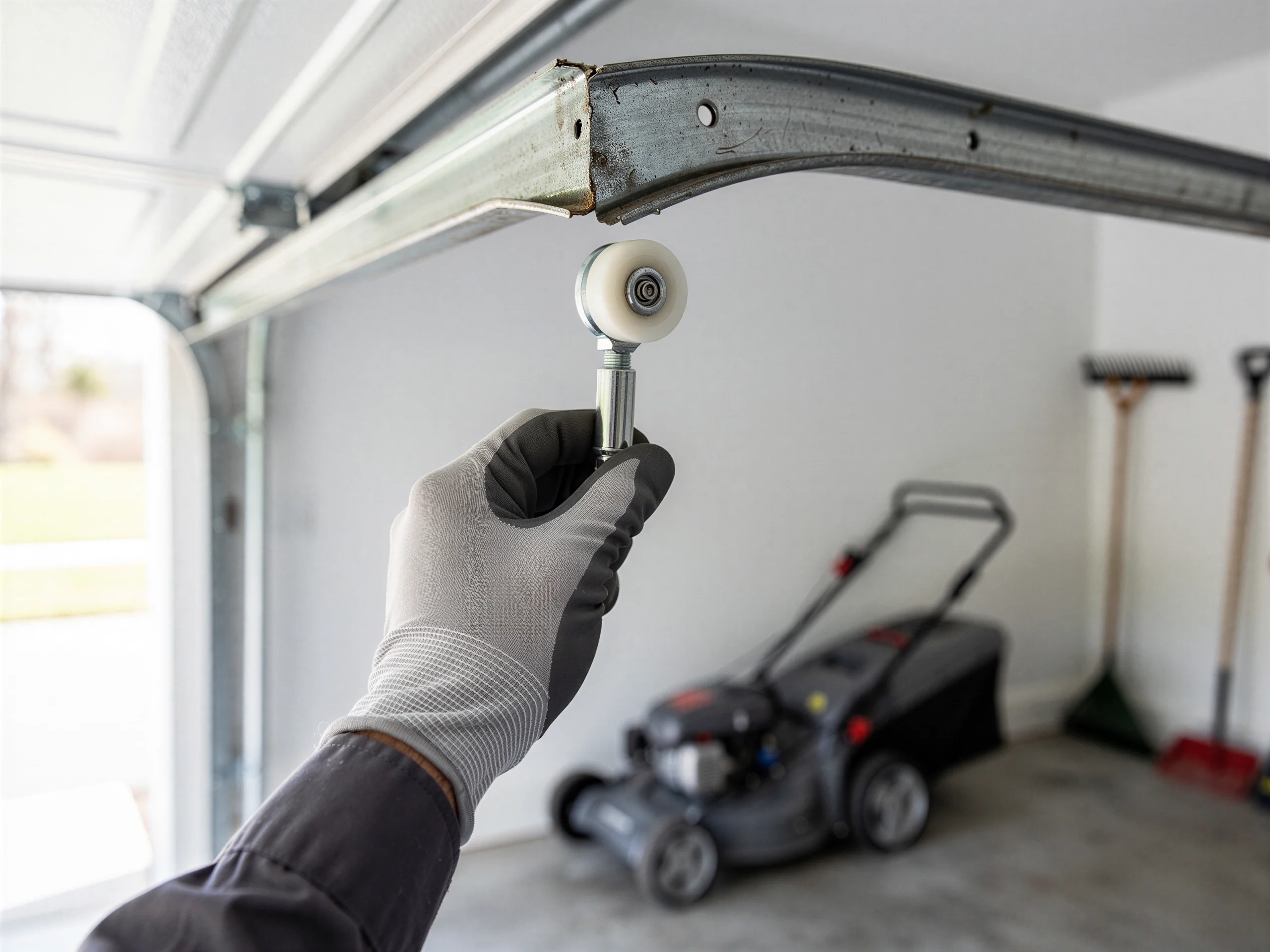
A technician's gloved hand holds a garage door roller near the track.

Roller Replacement

Garage door roller replacement for Trophy Club homes built mostly around 2000, serviced from North Richland Hills, 10 miles away. Learn more →
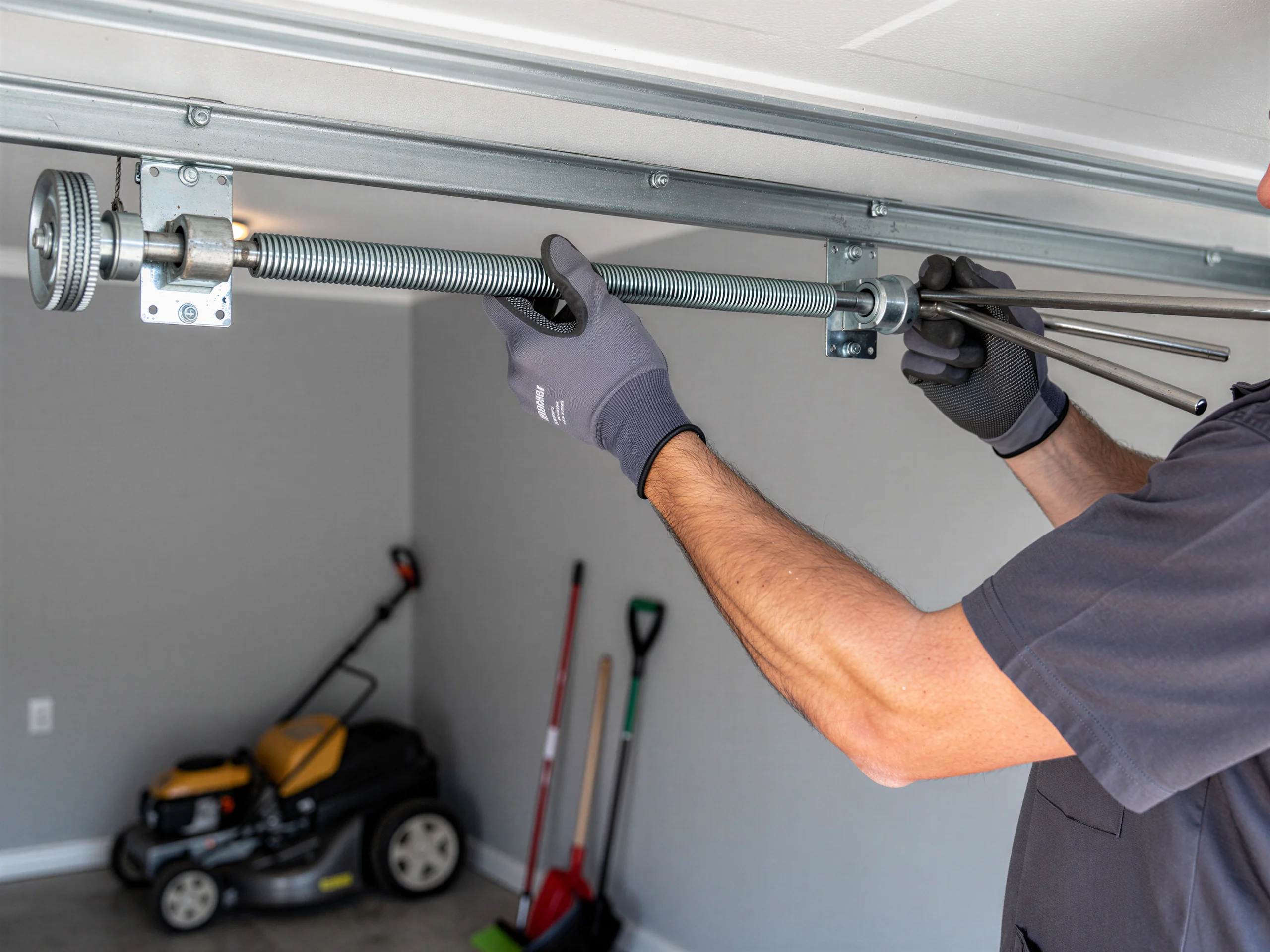
A technician adjusts a garage door torsion spring with winding bars.

Spring Repair

Most Trophy Club garages went up around 2000, with the original builder-grade springs still hanging. Learn more →

Ready when you are

Need a garage door sorted in North Richland Hills?

North Richland Hills Garage Door Co repairs and installs garage doors, springs and openers in North Richland Hills, TX and the surrounding area.

Certified Experts Quality Assured
Call NowGet a quote