
Reusable shaft and drums
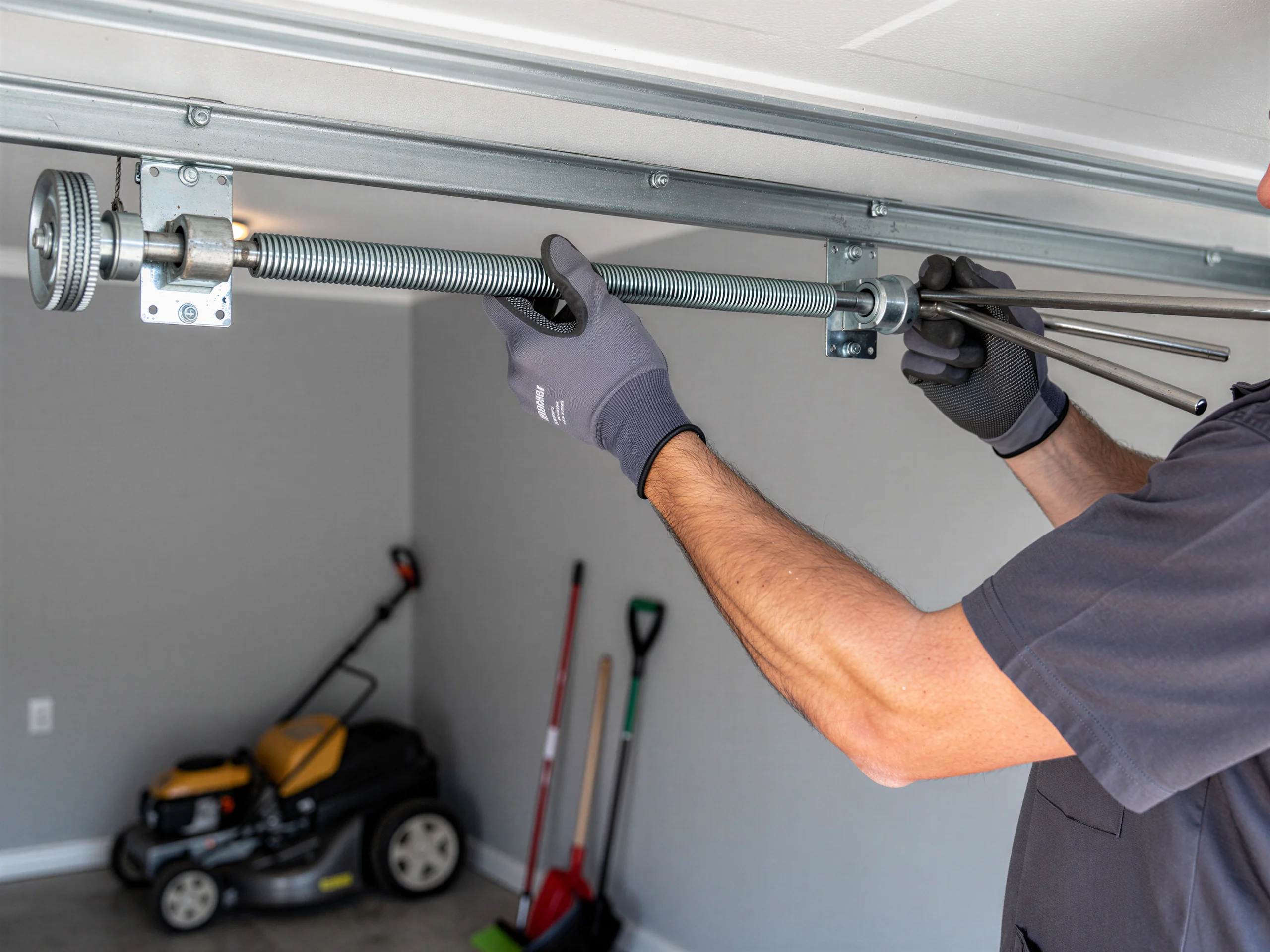
On a torsion system from a 2000-era build, the shaft and drums are usually fine to reuse - it's almost always just the spring itself that's given out, not the whole assembly.
Trophy Club, North Richland Hills
Most Trophy Club garages went up around 2000, with the original builder-grade springs still hanging. Here's what fails first and what our truck carries for the fix.
Downtime
We run this job out of North Richland Hills, about 10 miles from Trophy Club, so we're not sitting on a shelf around the corner. Once we're on site, a standard torsion spring swap on a double door usually closes out within the same visit - there's no second trip for parts on the common sizes. What takes longer is anything tied to a stretched or undersized opener bracket, which shows up more on houses from this build era than people expect, since builders spec'd openers to the door weight at the time, not to whatever's been added since (insulation retrofits, heavier panel upgrades). If that's the case, we'll tell you before we start, not after we've got the door apart.
On the truck
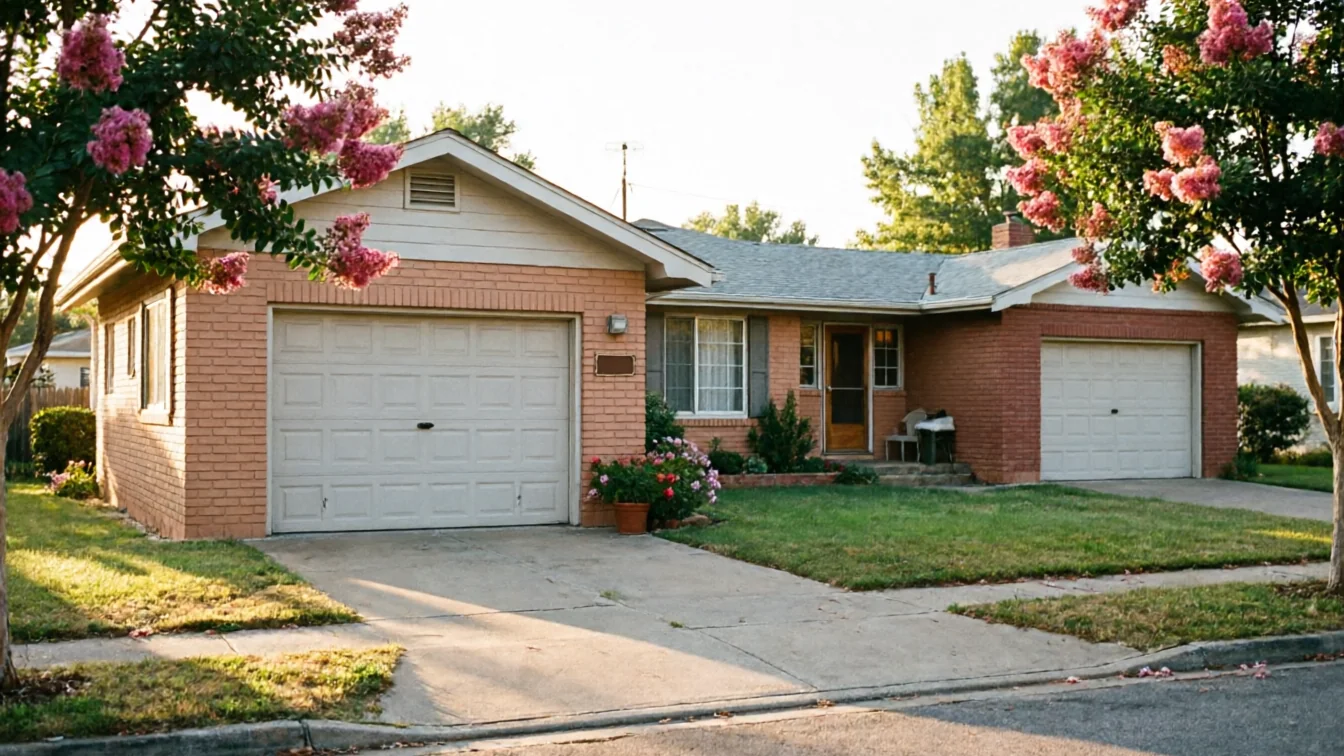
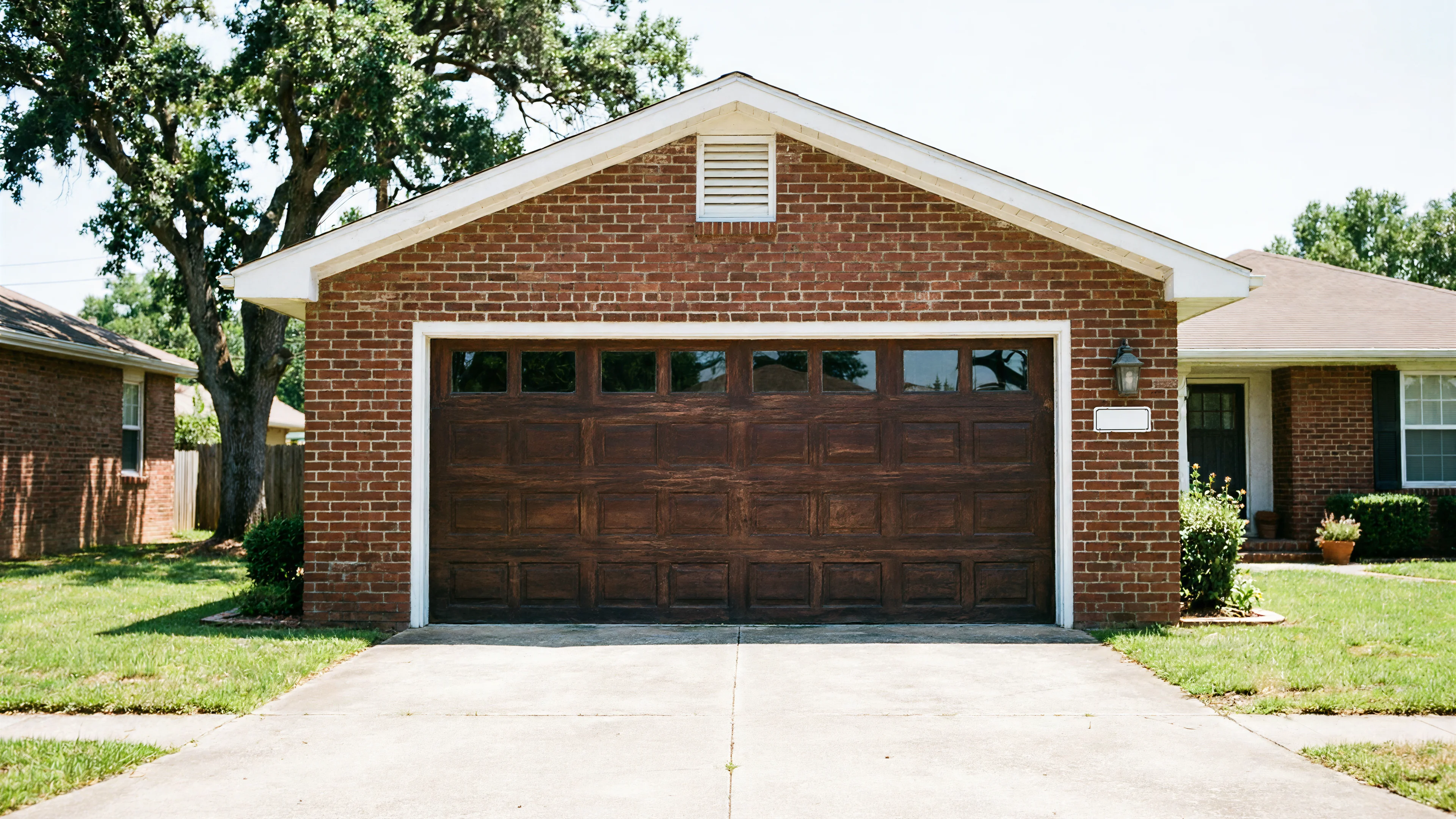
For a neighborhood built mostly between the late 1990s and mid-2000s, we stock torsion springs sized for the double-door openings that were standard in that era, plus the matching end bearings and cable drums. What we carry less of, because Trophy Club rarely needs it, is the older extension-spring hardware you'd find on a house from the 1960s or 70s - this area simply doesn't have much of that stock. We also keep safety cables on the truck as a matter of course, since a fair number of early-2000s installs shipped without them and it's a cheap add while the spring's already off.
Our process
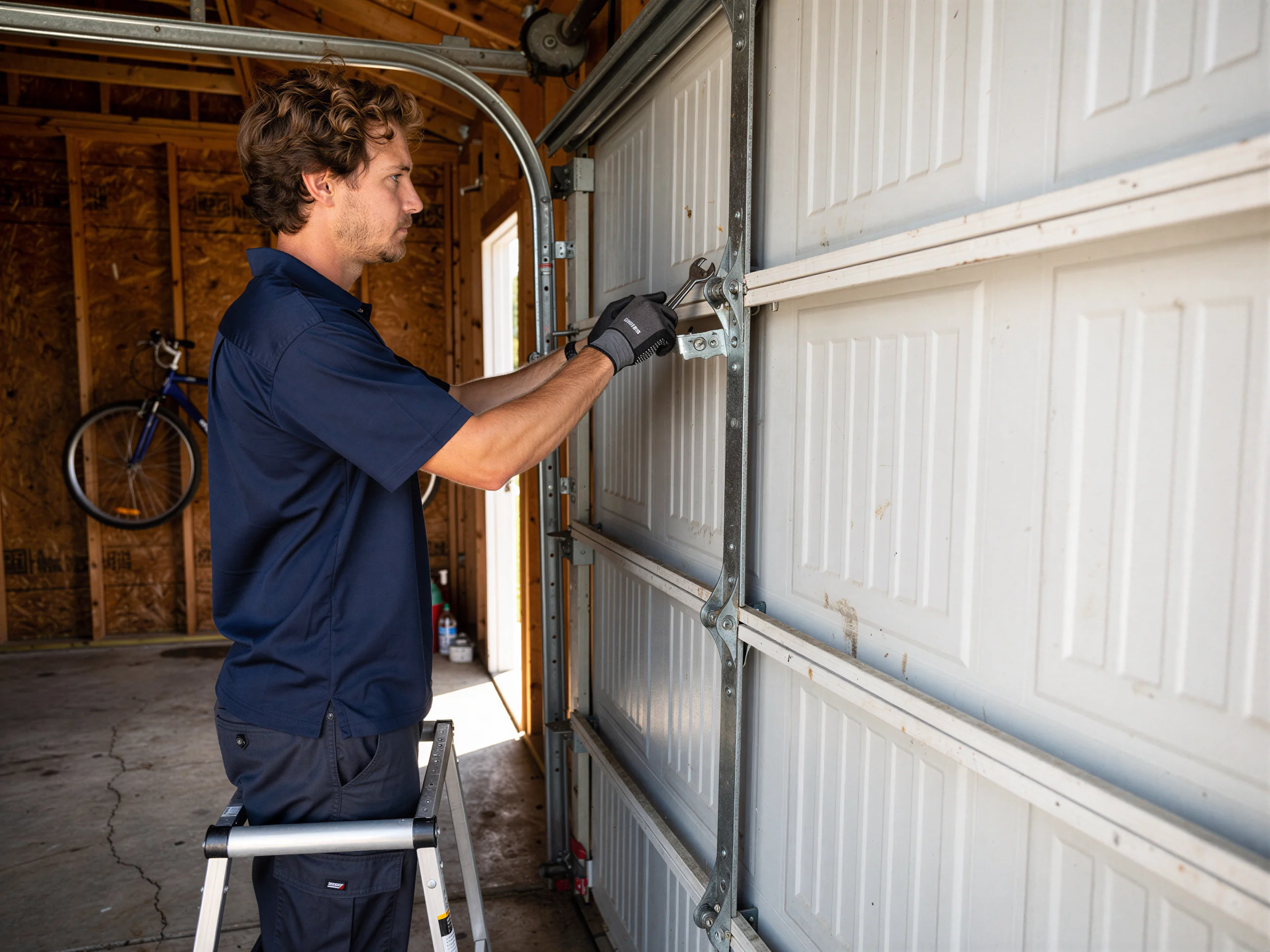
We back the door down, lock the tracks, and unwind the old spring under control before anything comes off the shaft.
On a torsion system from a 2000-era build, the shaft and drums are usually fine to reuse - it's almost always just the spring itself that's given out, not the whole assembly.
We match the new spring to the door weight and cycle count rather than just swapping like-for-like, because builder-installed springs were often sized to the minimum spec, not to what holds up over two decades of daily use. Once it's wound to the right turns, we run the door a dozen cycles and check balance before we call it done.
Symptoms
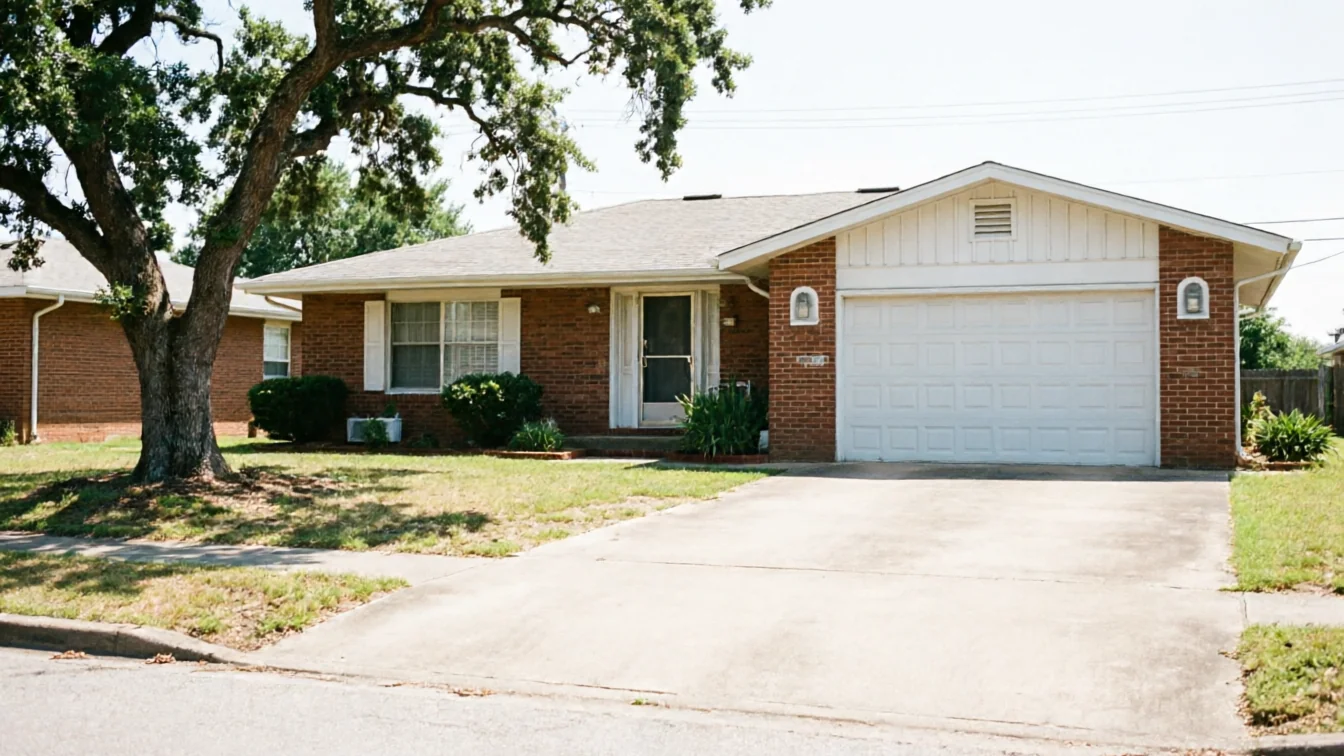
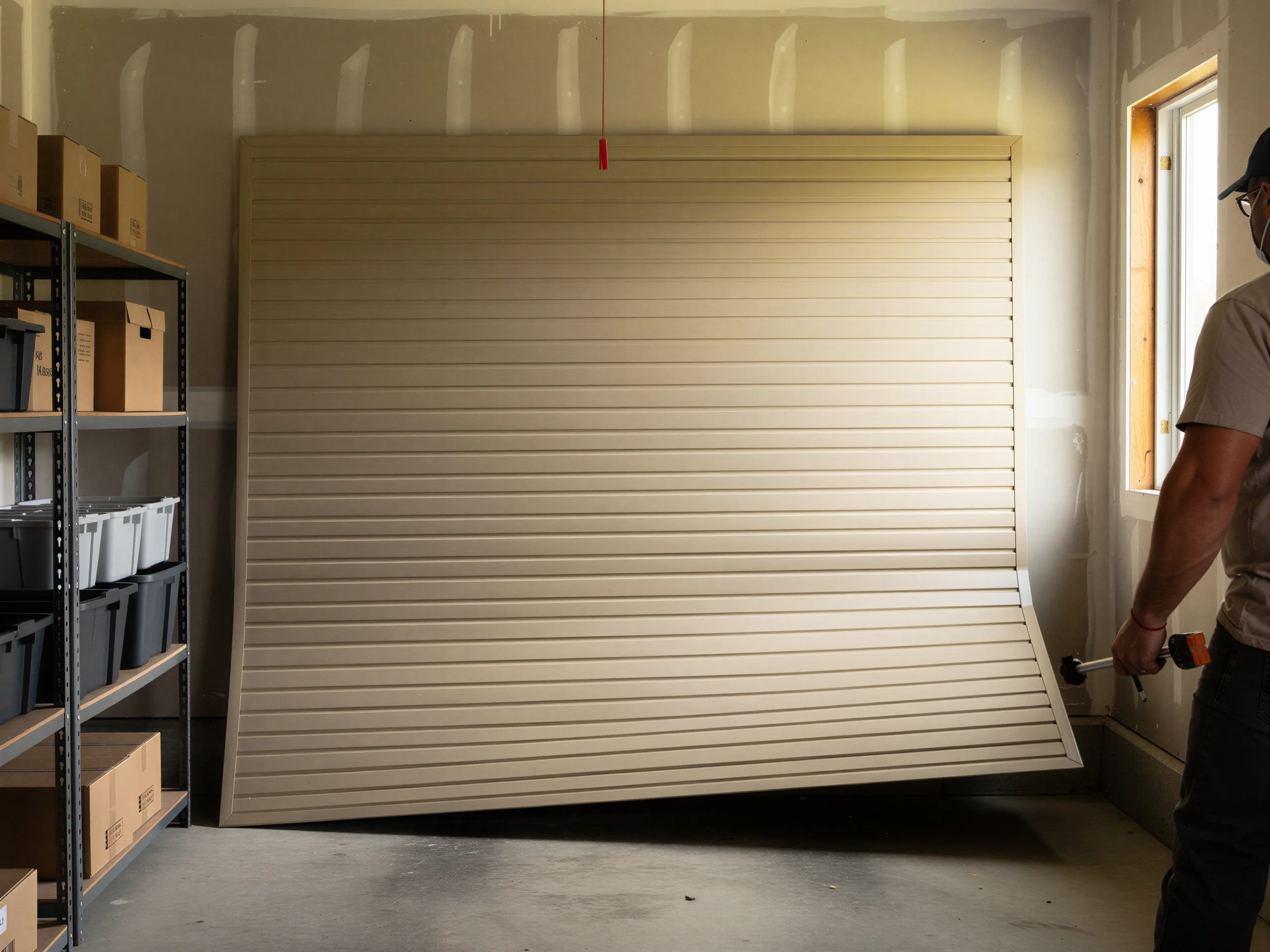
The door that won't open with the clicker but opens fine from the wall button, or opens about a foot and stalls, is the classic broken-spring call. On these early-2000s builds, you'll often hear a bang from inside the garage days or weeks before - that's the spring letting go under tension, not the opener failing. If the door feels heavy when you lift it by hand with the opener disconnected, the spring is already gone or close to it, and running the opener against that weight is what burns out gears and drive screws next.
Local causes
A torsion spring is rated for a set number of open-close cycles, generally somewhere around 7 to 10 years of normal household use before fatigue sets in - and houses in this part of the service area were built with a median year right around 2000.
That means a lot of Trophy Club garages are running on a spring that's two to three service lives past what it was rated for, simply because nobody's ever had a reason to look at it.
Add in this area's moderate heat band, which doesn't freeze hardware the way colder climates do but does bake lubricant out of unused coils sitting in a hot garage all summer, and you get springs that look fine right up until they don't.
Watch-outs
The job gets more involved when a homeowner's tried to re-tension or replace the spring themselves - we see winding bars left in place, wrong turn counts, or a drum set at the wrong cable length, all of which we have to undo before we can do the repair correctly. We also won't just swap the spring and ignore a bent track or a worn bottom bracket; putting a fresh spring on hardware that's already failing somewhere else just moves the next breakdown a few months down the road. And to be upfront about it: if the door is original to a 2000-era build and the opener, tracks, and springs are all near end of life at once, replacement is usually the honest answer over a string of repairs.
Questions
Often, yes. Torsion springs are rated for roughly 7 to 10 years of normal use, so a spring installed when the house was built in that era has usually outlived its rated cycle count more than once, even if it's never visibly failed before now.
We stock torsion springs and hardware sized for the double-door openings common in houses built from the late 1990s through the mid-2000s, which covers most of this area. Less common setups may need a follow-up visit for the right part.
We run this job out of North Richland Hills, about 10 miles away. We don't keep a depot in Trophy Club itself, so we schedule the trip rather than offer a walk-in response.
Most springs show no sign of wear until the last cycle - the metal fatigues gradually, then lets go all at once. A loud bang from the garage, or a door that suddenly won't lift, is usually the first sign anyone gets.
Explore more
Ready when you are
North Richland Hills Garage Door Co repairs and installs garage doors, springs and openers in North Richland Hills, TX and the surrounding area.